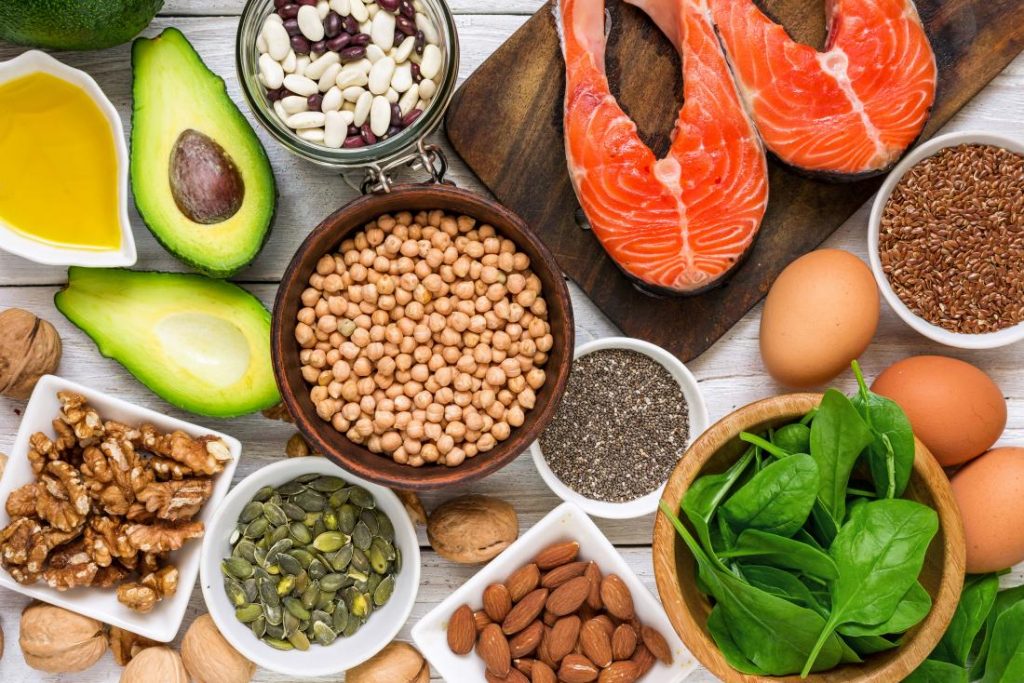
The Mediterranean diet has gained significant attention in recent years for its numerous health benefits, particularly when it comes to reducing inflammation. Inflammation is the body’s natural response to injury or infection, but chronic inflammation can contribute to various health issues such as heart disease, diabetes, and arthritis. By following the principles of the Mediterranean diet, individuals can potentially lower their risk of developing these conditions and promote overall wellbeing.
At its core, the Mediterranean diet emphasizes whole foods that are typically consumed in countries bordering the Mediterranean Sea. This eating pattern includes a high intake of fruits, vegetables, legumes, nuts, seeds, whole grains, and olive oil. These plant-based components are rich in antioxidants and polyphenols which have been shown to reduce inflammation levels within the body.
One key aspect of this diet is its emphasis on healthy fats rather than saturated or trans fats. The primary source of fat in the Mediterranean diet comes from olive oil—a monounsaturated fat that contains oleocanthal—an anti-inflammatory compound. Numerous studies have suggested that replacing unhealthy fats with olive oil may help decrease markers of inflammation such as C-reactive protein (CRP) and interleukin-6 (IL-6).
Furthermore, consuming fatty fish like salmon or sardines is another important component of this diet due to their high content of omega-3 fatty acids. Omega-3s are known for their anti-inflammatory properties and have been linked to a reduced risk of chronic diseases associated with inflammation.
In addition to incorporating nutrient-dense foods into one’s daily meals, adherents of the Mediterranean diet also tend to limit processed foods and red meat consumption while enjoying moderate amounts of lean proteins like poultry and dairy products such as Greek yogurt or cheese.
Another noteworthy feature is wine consumption—specifically red wine—in moderation during meals. Red wine contains resveratrol—an antioxidant that has demonstrated anti-inflammatory effects in several studies. However, excessive alcohol consumption can have adverse health effects, so it’s crucial to adhere to moderate guidelines.
Moreover, the Mediterranean diet is not just about what you eat but also how you eat. This eating pattern encourages mindful eating and social connections during meals. Taking time to savor each bite, enjoying meals with loved ones, and engaging in regular physical activity are all essential elements of this lifestyle approach that contribute to overall wellbeing and inflammation reduction.
In conclusion, the Mediterranean diet offers a delicious and sustainable way to reduce inflammation within the body. By focusing on whole foods rich in antioxidants, healthy fats like olive oil and omega-3s from fish, individuals can potentially lower their risk of chronic diseases associated with inflammation. However, it’s important to remember that no single dietary pattern is a cure-all solution; adopting a balanced lifestyle that includes regular exercise, stress management techniques, and adequate sleep is equally vital for optimal health. Consulting with healthcare professionals or registered dietitians before making significant dietary changes is always recommended.


Leave a Reply