Antioxidants and Bone Health: Exploring the Link
When it comes to maintaining good bone health, many people focus on factors like calcium intake and exercise. While these are undeniably important, recent research has shed light on another crucial player in bone health – antioxidants. Antioxidants are powerful compounds that help protect our cells from damage caused by harmful molecules called free radicals. In turn, they may play a significant role in preventing bone loss and promoting overall skeletal health.
One of the key antioxidants linked to bone health is vitamin C. This essential nutrient is not only involved in collagen synthesis but also acts as an antioxidant within bones, protecting them from oxidative stress. Studies have shown that individuals with higher vitamin C levels tend to have greater bone mineral density and lower risk of fractures.
Another potent antioxidant for bone health is vitamin E. It works synergistically with other antioxidants to neutralize free radicals and reduce inflammation, both of which can contribute to bone loss over time. Research suggests that adequate levels of vitamin E may help slow down age-related declines in bone density.
Furthermore, polyphenols – a diverse group of plant compounds with antioxidant properties – have emerged as potential allies for maintaining strong bones. Resveratrol, found abundantly in grapes and red wine, has been shown to enhance osteoblast activity (cells responsible for building new bones) while inhibiting the development of osteoclasts (cells that break down old bones). Green tea catechins have also demonstrated positive effects on increasing bone mass.
In addition to vitamins C, E, and polyphenols, carotenoids such as lycopene and beta-carotene have been associated with improved skeletal health. These antioxidants are commonly found in tomatoes, carrots, spinach, sweet potatoes, and other colorful fruits and vegetables known for their high nutritional value.
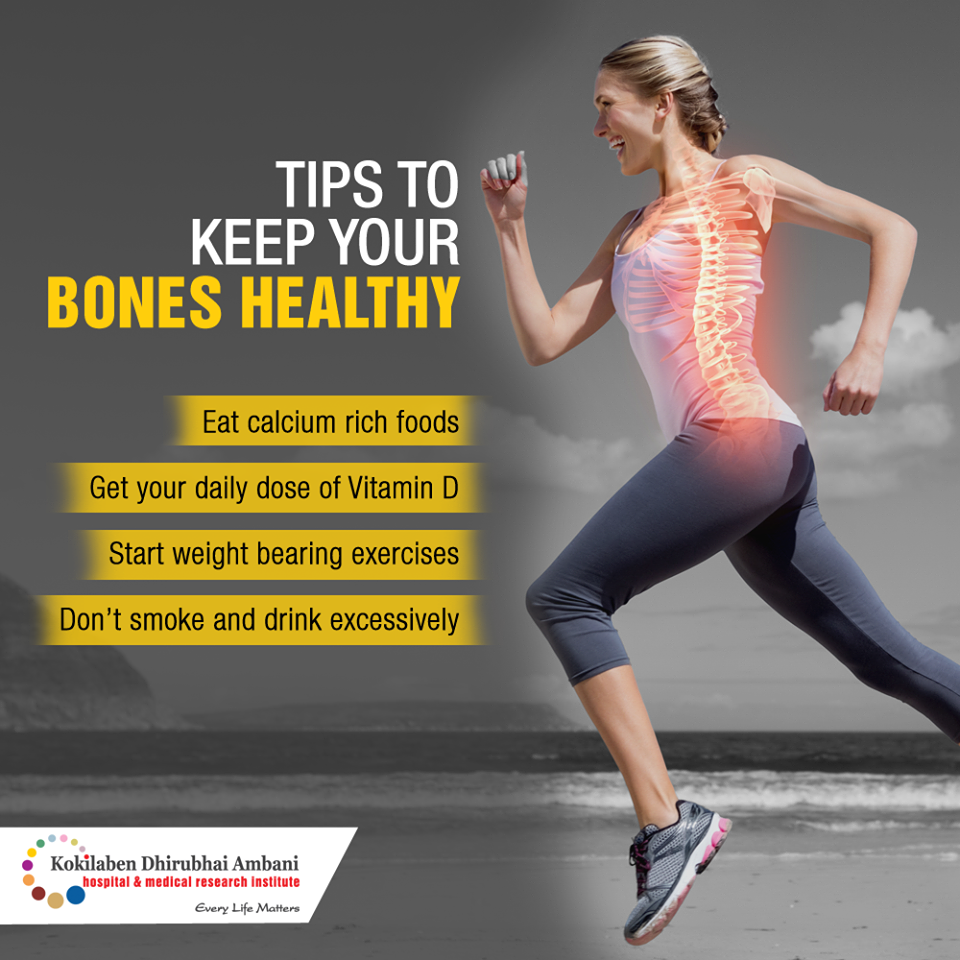
While incorporating foods rich in antioxidants into your diet is undoubtedly beneficial for overall health, it’s important to remember that bone health is a complex interplay of various factors. It’s best to adopt a well-rounded approach that includes regular exercise, sufficient calcium and vitamin D intake, as well as an overall balanced diet.
In conclusion, antioxidants play a crucial role in maintaining optimal bone health by reducing oxidative stress and inflammation. Vitamin C, E, polyphenols, and carotenoids are among the key antioxidants associated with promoting healthy bones. By including antioxidant-rich foods in your diet such as citrus fruits, leafy greens, nuts, seeds, and colorful vegetables, you can support your body in building and preserving strong bones for years to come.

Leave a Reply