Frequently Asked Questions About Digestive Health and Fiber
Q: What is the role of fiber in digestive health?
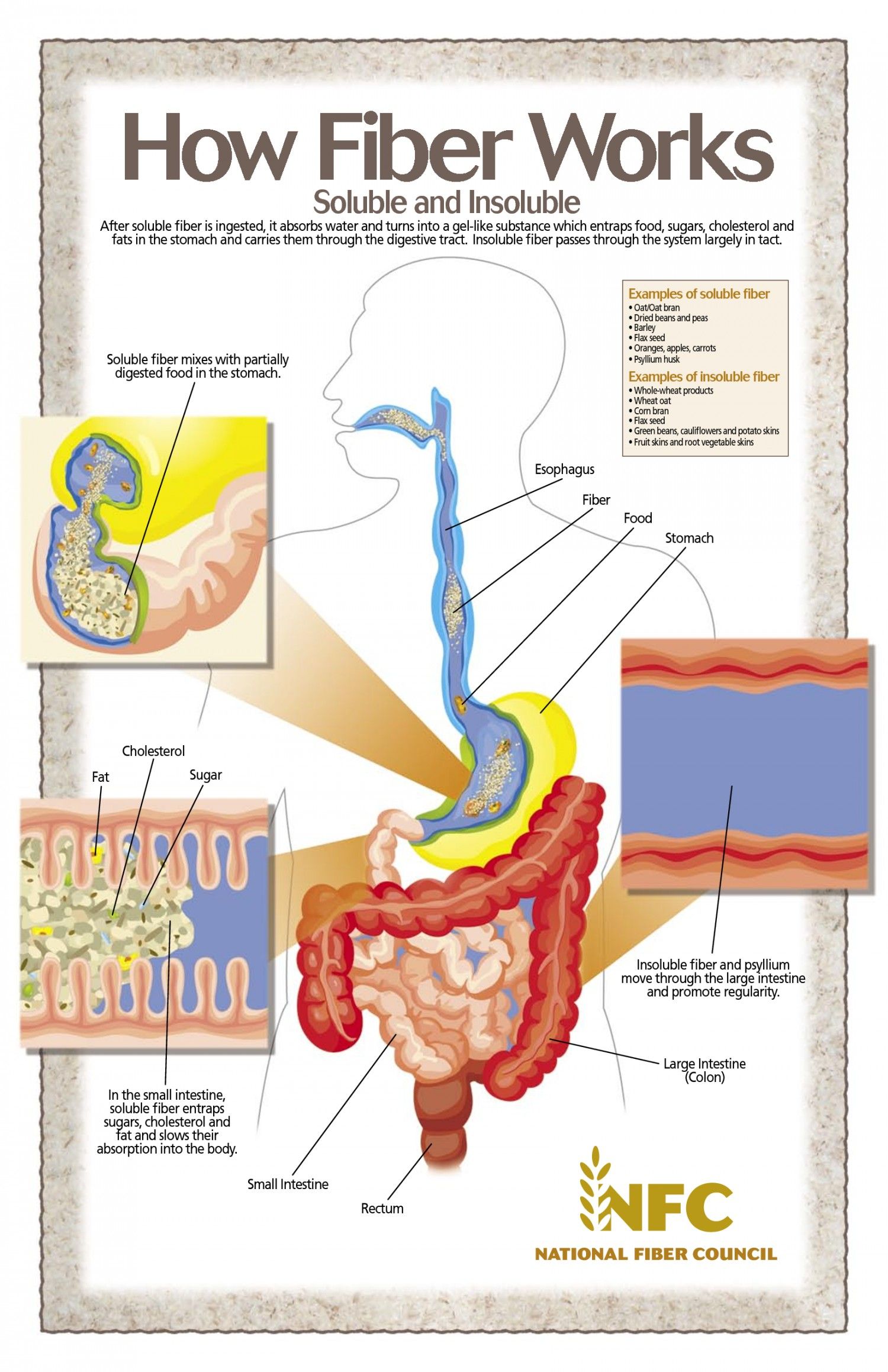
A: Fiber plays a crucial role in maintaining good digestive health. It is a type of carbohydrate that cannot be digested by our bodies. Instead, it passes through the stomach, small intestine, and colon relatively intact.
Q: Why is fiber important for digestion?
A: Consuming adequate amounts of fiber helps regulate bowel movements and prevents constipation. It adds bulk to the stool, making it easier to pass through the intestines. Additionally, fiber can help prevent or alleviate conditions such as hemorrhoids and diverticulosis.
Q: How much fiber should I consume daily?
A: The recommended daily intake of fiber varies depending on age and gender. For adults aged 19-50 years old, men should aim for about 38 grams per day while women should aim for around 25 grams per day. However, individual needs may vary based on factors like activity level and overall health.
Q: Which foods are high in dietary fiber?
A: Foods rich in dietary fiber include fruits (such as apples, berries, oranges), vegetables (like broccoli, carrots, spinach), legumes (beans and lentils), whole grains (oats, quinoa), nuts/seeds (almonds, chia seeds), and certain cereals or bread labeled “high-fiber.”
Q: Are there different types of dietary fibers?
A: Yes! There are two main types of dietary fibers – soluble and insoluble fibers. Soluble fibers dissolve in water to form a gel-like substance that can help lower cholesterol levels. Good sources include oats, barley, beans/legumes,
applesauce,and citrus fruits.
Insoluble fibers do not dissolve in water but add bulk to your stool helping with regular bowel movements. Examples include whole wheat products,
vegetables with skin included like cucumbers or bell peppers, and nuts/seeds.
Q: Can fiber help with weight management?
A: Yes, consuming foods high in fiber can aid in weight management. High-fiber foods tend to be more filling, which can reduce overall calorie intake. Additionally, they require more chewing time, slowing down the eating process. Fiber also helps regulate blood sugar levels and keeps you feeling satisfied for longer periods.
Q: Are there any risks associated with consuming too much fiber?
A: While fiber is generally safe and beneficial for most people, increasing your intake too quickly may cause bloating, gas, or stomach cramps. It’s best to gradually increase your fiber intake over a few weeks while drinking plenty of water to avoid discomfort.
In conclusion, incorporating an adequate amount of dietary fiber into your daily routine is essential for maintaining digestive health. Aim for a balanced diet that includes a variety of high-fiber foods along with staying well-hydrated to support optimal digestion and overall wellness.

Leave a Reply