Protein powder has become increasingly popular in recent years, and it’s not hard to see why. Whether you’re an athlete looking to build muscle, a vegetarian aiming to meet your protein needs, or simply someone trying to maintain a healthy diet, protein powder can be a convenient and effective way to supplement your intake. In this article, we will explore the benefits of protein powder and how it can support your overall health.
Before delving into the advantages of protein powder, let’s first understand what it is. Protein powder is a concentrated source of protein derived from various sources such as whey (derived from milk), casein (also derived from milk), soy, pea, hemp, or rice. These powders are usually mixed with water or other liquids to create a shake or smoothie that can be consumed pre- or post-workout or as a meal replacement.
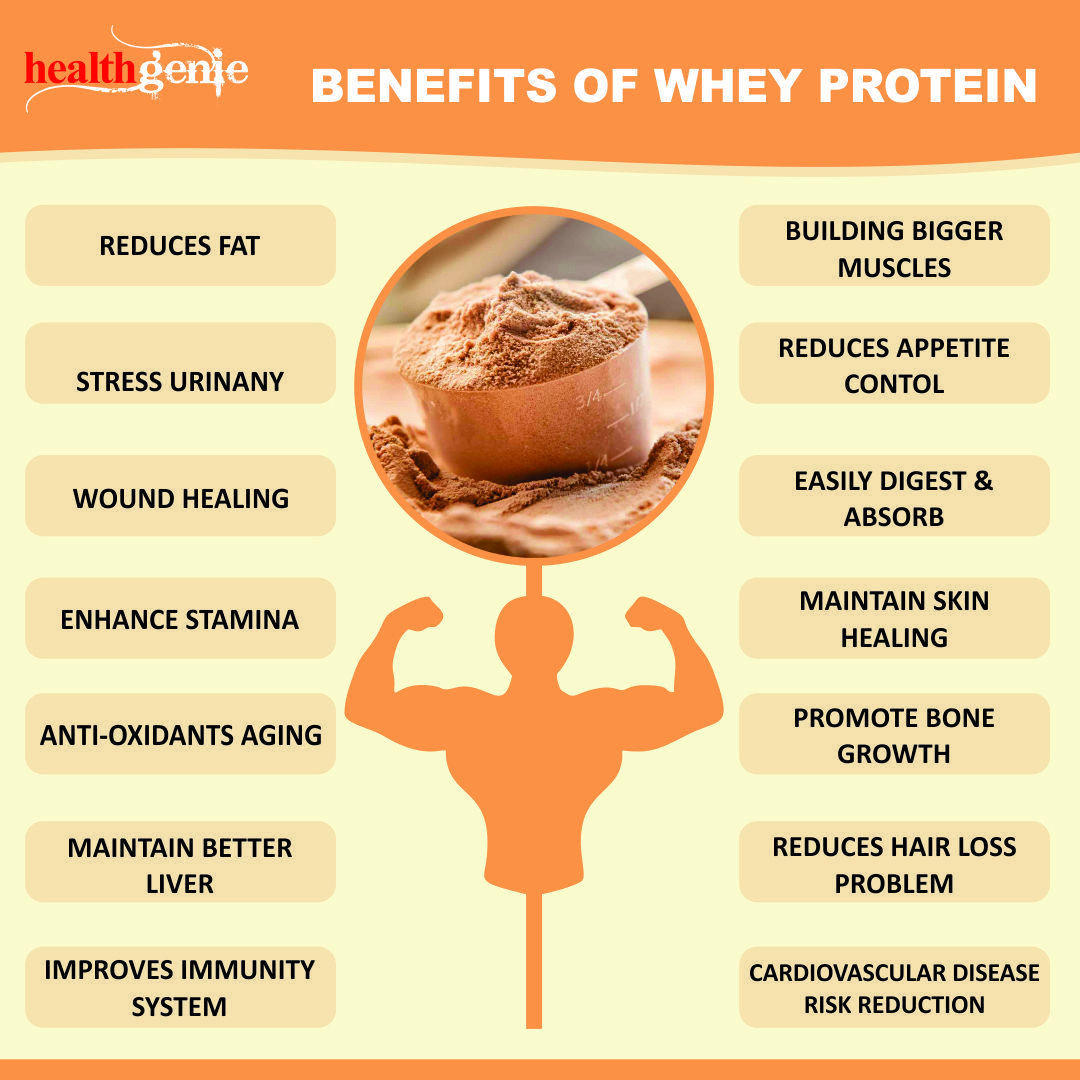
One of the primary benefits of protein powder is its ability to promote muscle growth and repair. When you engage in physical activity like weightlifting or resistance training, small tears occur in your muscles. Protein helps repair these tears and aids in building new muscle tissue. Consuming an adequate amount of protein after exercise ensures that your body has the necessary building blocks for recovery and growth.
Protein powders also provide convenience for individuals who may struggle to meet their daily protein requirements through whole foods alone. For example, vegetarians and vegans often find it challenging to obtain complete proteins from plant-based sources alone. Protein powders made from soy, pea, hemp, or rice offer them an easy way to increase their daily intake without relying solely on legumes or grains.
Additionally, for those following restrictive diets due to allergies or intolerances (such as lactose intolerance), finding alternative sources of high-quality protein can be difficult. Thankfully, there are numerous dairy-free options available in the form of plant-based protein powders that cater specifically to these dietary needs.
Weight management is another area where protein powder can be advantageous. High-protein diets have been shown to increase satiety, meaning you feel fuller for longer periods after consuming protein-rich foods or shakes. This can help curb cravings and reduce overall calorie intake, which may contribute to weight loss or weight maintenance.
Moreover, protein powders often contain fewer carbohydrates and fats compared to other sources of dietary protein. If you’re trying to control your macronutrient intake while still meeting your protein needs, opting for a low-carb or low-fat protein powder can be beneficial.
Protein powders are not just limited to athletes or those looking to build muscle; they can also play a role in supporting general health and well-being. Protein is essential for the production of enzymes, hormones, antibodies, and neurotransmitters in our body. It helps maintain healthy skin, hair, nails, and organs as well as supports immune function.
Inadequate protein consumption can lead to a range of health issues such as impaired wound healing, muscle wasting, weakened immune system function, and slower recovery from illness or injury. By incorporating protein powder into your diet in an appropriate manner (in consultation with a healthcare professional if necessary), you can ensure that you are meeting your daily requirements and supporting optimal health.
It’s important to note that while there are numerous benefits associated with using protein powder as part of a balanced diet, it should never replace whole foods entirely. Whole food sources like lean meats (including poultry and fish), eggs, legumes (such as beans and lentils), dairy products (if tolerated), nuts/seeds/nut butter derivatives all offer essential nutrients apart from just proteins that are equally vital for good health.
When choosing a protein powder supplement that suits your needs best—whether it’s whey-based or plant-based—be sure to check the ingredient list carefully. Some products may contain added sugars or artificial ingredients that could potentially undermine the overall health benefits. Opting for a high-quality protein powder with minimal additives is always recommended.
In conclusion, protein powder can be a valuable addition to your diet, offering a convenient and effective way to meet your protein needs. From supporting muscle growth and repair to aiding weight management and promoting overall health, the benefits of including protein powder in your routine are numerous. However, it’s crucial to remember that whole foods should still form the foundation of a healthy eating plan. So, if you’re looking for an extra boost or struggle to meet your protein requirements through food alone, consider incorporating protein powder into your daily regimen and enjoy the benefits it has to offer.

Leave a Reply