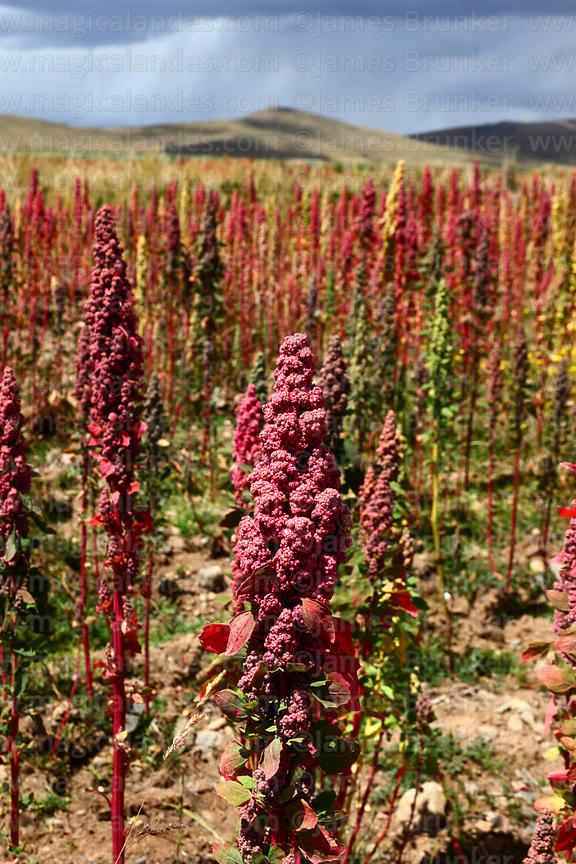
Quinoa Cultivation in Africa: A Promising Solution for Healthy Eating
In recent years, quinoa has gained immense popularity as a superfood due to its numerous health benefits. Originally cultivated in the Andean region of South America, this ancient grain is now making its way to African soils, offering a promising solution for healthy eating on the continent.
Quinoa possesses exceptional nutritional qualities that make it an excellent addition to any diet. Packed with essential amino acids, vitamins, minerals, and antioxidants, quinoa provides a complete protein source and supports overall well-being. Its gluten-free nature also makes it suitable for those with dietary restrictions or sensitivities.
Africa’s diverse climates and fertile lands provide ideal conditions for growing quinoa. Countries such as Kenya, Ethiopia, Malawi, and Zimbabwe have already embarked on cultivating this nutrient-rich crop. By embracing quinoa cultivation practices locally, African farmers not only contribute to their own food security but also create opportunities for international trade.
One of the most significant advantages of quinoa cultivation lies in its resilience against adverse weather conditions. This hardy crop requires less water compared to traditional staples like maize or wheat while being more tolerant of droughts and high temperatures. This characteristic makes it particularly attractive in regions prone to unpredictable climate patterns.
Furthermore, introducing quinoa farming can help diversify agricultural practices across Africa. By incorporating this nutritious grain into existing cropping systems or rotations with other crops like legumes or vegetables, farmers can enhance soil fertility and reduce pest infestations naturally.
The growth of the quinoa industry also presents economic prospects for African nations. As demand surges globally due to its increasing popularity among health-conscious consumers worldwide, African countries can tap into this market by exporting their locally grown organic produce.
However, challenges remain on the path towards widespread adoption of quinoa cultivation in Africa. Limited access to quality seeds and technical knowledge about agronomic practices are some barriers that need addressing through capacity building initiatives and partnerships between governments, NGOs, and international organizations.
In conclusion, the cultivation of quinoa in Africa represents a remarkable opportunity for promoting healthy eating habits across the continent. Its nutritional value, coupled with its resilience to adverse weather conditions, makes it an attractive crop for farmers. By investing in quinoa farming, African nations can enhance food security, diversify agricultural practices, and tap into the growing global demand for this superfood. Together with concerted efforts from various stakeholders, Africa can harness the potential of quinoa to improve both individual health and overall sustainable development.

Leave a Reply