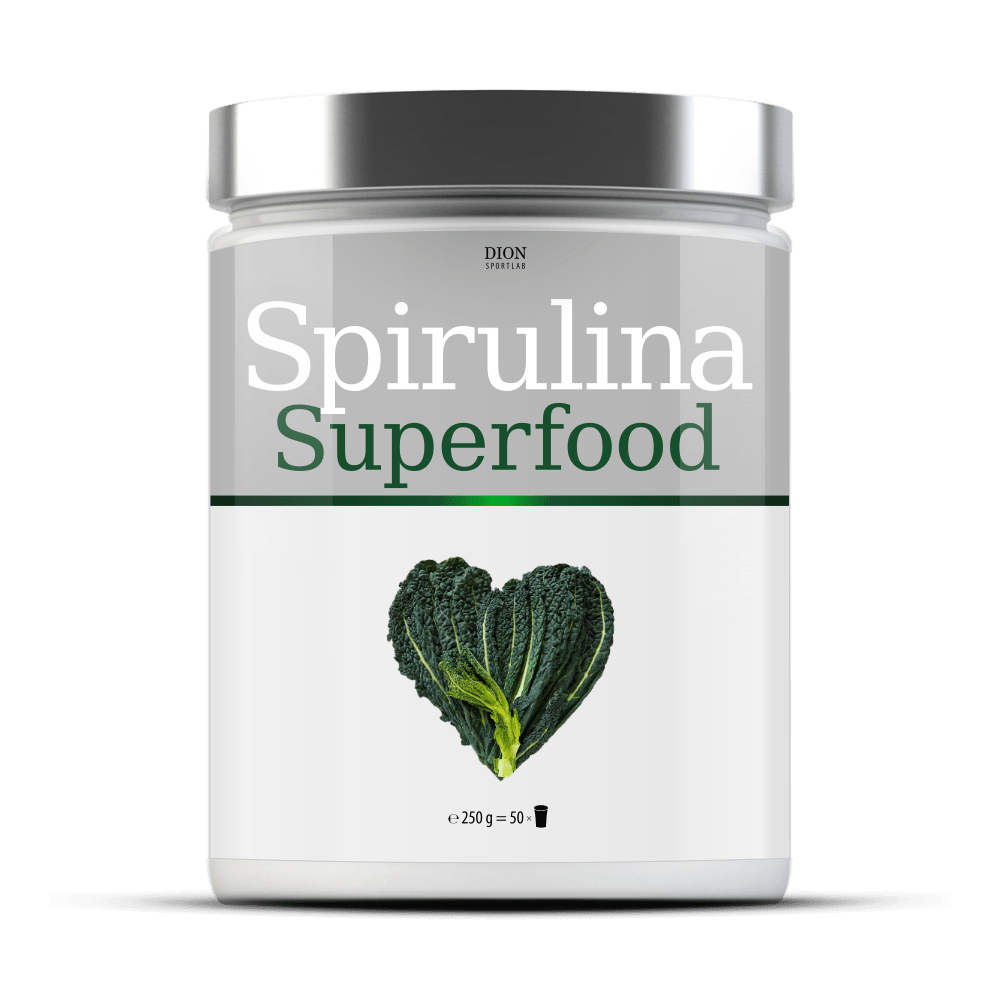
Spirulina is a blue-green algae that has gained popularity as a superfood due to its rich nutrient content. It is not only a great source of vegan protein, but it also offers numerous potential health benefits. In this article, we will explore the various advantages of spirulina and how it can support your overall well-being.
1. Spirulina as a source of vegan protein: One of the key benefits of spirulina is its high protein content. It contains all essential amino acids, making it a complete plant-based protein source for vegans and vegetarians. Incorporating spirulina into your diet can help meet your daily protein needs.
2. Potential benefits for weight loss: Research suggests that spirulina may aid in weight loss efforts by increasing feelings of fullness and reducing appetite. Its high protein content can help curb cravings and promote satiety, which may contribute to weight management.
3. Effects on gut health: Spirulina has been found to have prebiotic effects, meaning it promotes the growth of beneficial gut bacteria. This can improve digestion, absorption of nutrients, and overall gut health.
4. Natural detoxifier: Spirulina contains chlorophyll, which has detoxifying properties that support liver function and aid in eliminating toxins from the body.
5. Boosting immune function: The antioxidants present in spirulina help protect against oxidative stress and strengthen the immune system by enhancing the production of infection-fighting cells.
6. Impact on cholesterol levels: Studies suggest that regularly consuming spirulina may lead to lower LDL (bad) cholesterol levels while increasing HDL (good) cholesterol levels, thus promoting heart health.
7. Anti-inflammatory properties: Spirulina’s anti-inflammatory compounds like phycocyanin have been shown to reduce inflammation markers in the body, potentially benefiting those with chronic inflammatory conditions.
8. Managing diabetes: Some research indicates that spirulina may help regulate blood sugar levels. It can improve insulin sensitivity and reduce fasting blood glucose levels, making it a potential dietary supplement for individuals with diabetes.
9. Supplement for athletes and fitness enthusiasts: Spirulina’s high protein content, coupled with its rich nutrient profile, makes it an excellent supplement to support muscle recovery, enhance endurance, and reduce exercise-induced oxidative stress.
10. Effects on blood pressure regulation: Several studies have suggested that spirulina consumption may lead to a significant reduction in blood pressure levels, which is beneficial for those with hypertension or at risk of cardiovascular diseases.
11. Improving brain health and cognitive function: The antioxidants found in spirulina protect against oxidative damage in the brain. Research suggests that spirulina supplementation may improve memory, focus, and overall cognitive function.
12. Benefits for skin health and complexion: Spirulina’s antioxidant properties help fight free radicals responsible for premature aging. Its nutrient content can also support collagen production, promoting healthy skin and reducing the appearance of wrinkles.
13. Reducing allergies and hay fever symptoms: Some studies suggest that spirulina can alleviate symptoms of seasonal allergies by modulating the immune response and reducing inflammation.
14. Managing chronic fatigue syndrome: Spirulina’s nutrient density provides a natural energy boost while supporting adrenal gland function. This can potentially benefit individuals suffering from chronic fatigue syndrome or general fatigue.
15. Promoting healthy hair growth: Spirulina is rich in vitamins A, B-vitamins (including biotin), iron, zinc, and essential fatty acids – all crucial nutrients for healthy hair growth and maintenance.
16.Reducing oxidative stress: The antioxidants present in spirulina help combat oxidative stress caused by environmental toxins and metabolic processes within the body.
17.Benefits for eye health & vision:Spirulina contains compounds like zeaxanthin that are known to promote eye health by protecting against age-related macular degeneration (AMD) and reducing the risk of cataracts.
18. Reducing symptoms of depression and anxiety: Some studies suggest that spirulina may have mood-enhancing effects due to its high tryptophan content, which increases serotonin production – a neurotransmitter associated with mood regulation.
19. Managing symptoms of menopause: Spirulina’s nutrient profile can help alleviate some common symptoms of menopause, such as hot flashes, fatigue, and mood swings.
20. Natural remedy for seasonal allergies: Due to its anti-inflammatory properties and immune system support, spirulina can be used as a natural alternative or complementary treatment for seasonal allergies.
In conclusion, spirulina is a versatile superfood that offers numerous potential health benefits. From providing vegan protein to supporting weight loss efforts, promoting gut health, boosting immunity, managing chronic conditions like diabetes and hypertension, improving brain function and skin health – spirulina has something beneficial to offer everyone. Incorporating this nutrient-dense algae into your diet may enhance your overall well-being in various ways.

Leave a Reply