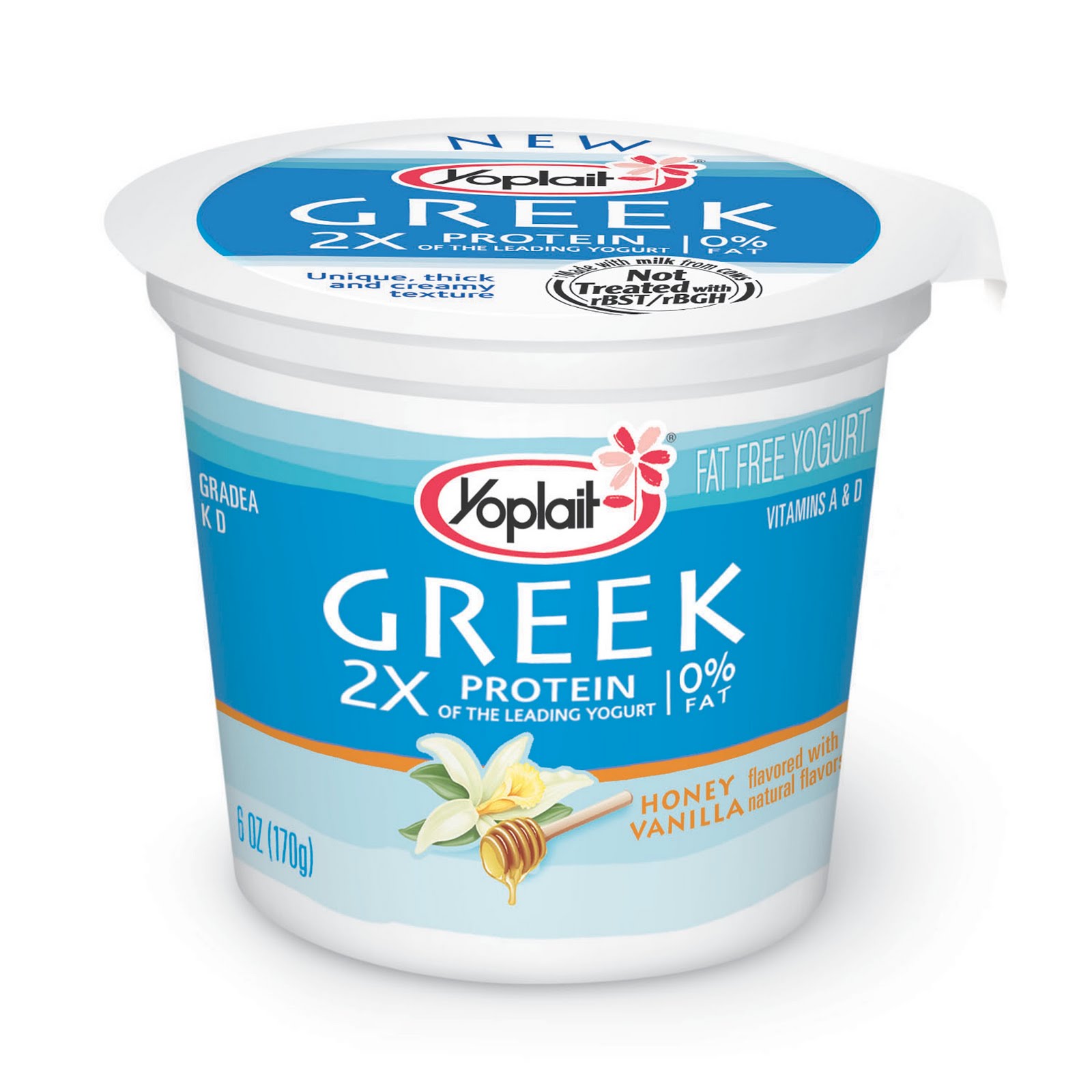
Greek yogurt has become a staple in many households around the world, and for good reason. Its creamy texture, tangy taste, and numerous health benefits have made it a popular choice for those looking to incorporate more nutritious foods into their diet. In this retrospective post, we will explore the origins of Greek yogurt, its nutritional profile, its versatility in cooking and baking, as well as some tips on how to choose the best Greek yogurt.
The roots of Greek yogurt can be traced back to ancient Greece where it was commonly consumed by the Greeks. Traditionally known as “strained yogurt,” it was made by removing whey from regular yogurt through a straining process. This resulted in a thicker and creamier product with a higher protein content compared to regular yogurt. The straining process also removed some of the lactose, making it easier to digest for individuals who are lactose intolerant.
One of the main reasons why Greek yogurt has gained popularity is its impressive nutritional profile. It is packed with protein which helps promote muscle growth and repair. A single serving of Greek yogurt contains about 15-20 grams of protein, depending on the brand. Additionally, it is rich in calcium which supports strong bones and teeth.
Another benefit of Greek yogurt is its probiotic content. Probiotics are live bacteria that contribute to gut health by maintaining a healthy balance of microorganisms in our digestive system. These beneficial bacteria can aid digestion and improve overall gut function.
Greek yogurt’s versatility extends beyond being enjoyed on its own or topped with fruits and granola for breakfast or snacks. It can also be used as an ingredient in cooking and baking due to its thick consistency. It serves as an excellent substitute for sour cream or mayonnaise in recipes like dips or salad dressings without compromising flavor or texture.
When choosing Greek yogurt at the grocery store, there are a few things to consider. Opting for plain varieties rather than flavored ones ensures that you avoid added sugars and artificial ingredients. Reading the ingredient list is crucial, as some brands may add thickeners or preservatives that can diminish the health benefits. Look for yogurt made from grass-fed milk, which tends to be higher in omega-3 fatty acids.
In conclusion, Greek yogurt has come a long way from its humble beginnings in ancient Greece. Its popularity today can be attributed to its creamy texture, tangy taste, and impressive nutritional profile. Whether enjoyed on its own or used as an ingredient in cooking and baking, Greek yogurt offers numerous health benefits such as high protein content and probiotics for gut health. By choosing plain varieties made from grass-fed milk without any added sugars or artificial ingredients, you can make the most out of this nutritious food. So go ahead and incorporate Greek yogurt into your diet for a deliciously healthy addition!

Leave a Reply