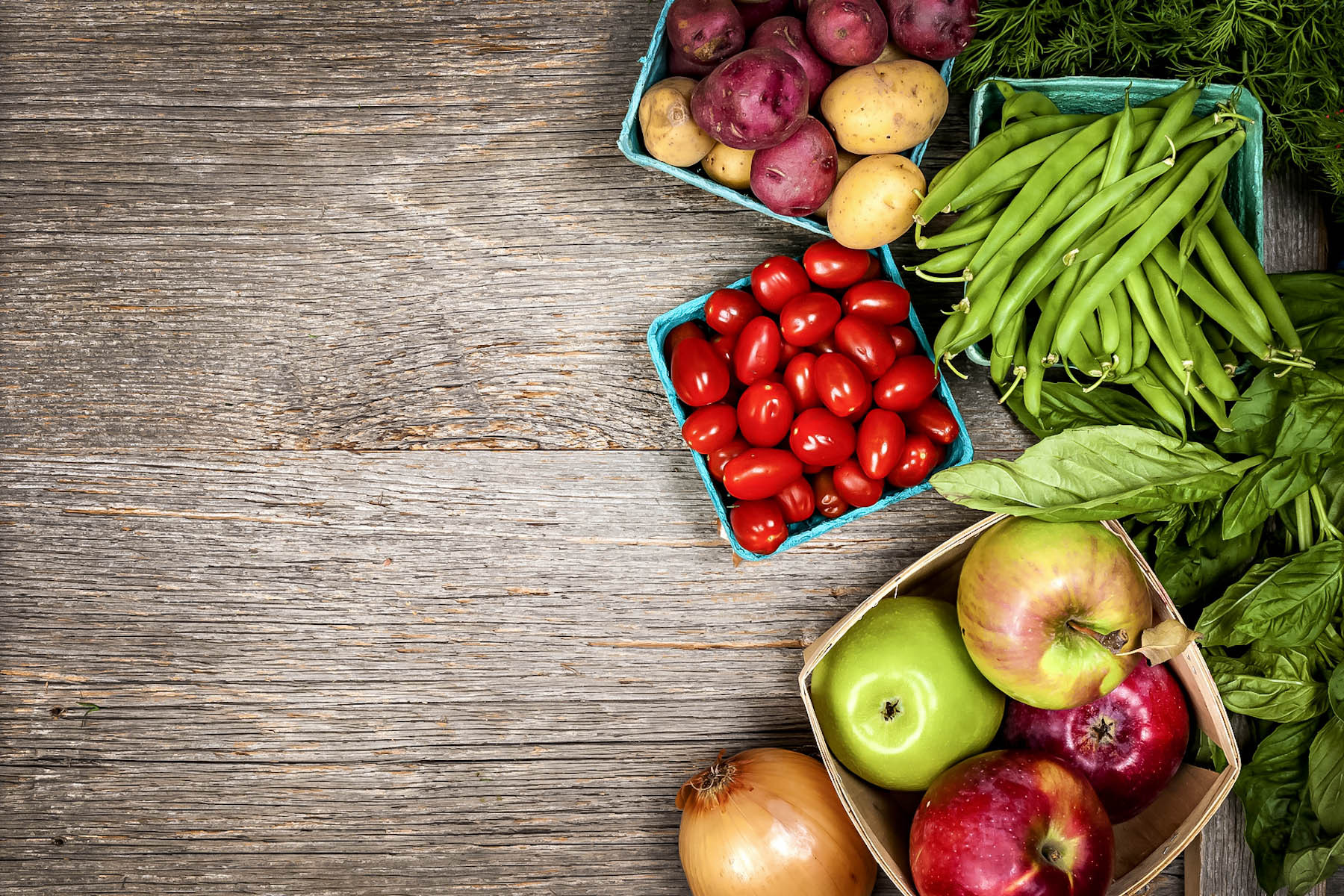
When it comes to healthy eating, there is a growing trend of people shifting their focus towards consuming locally grown produce. Local food not only supports the community and local farmers but also offers numerous nutritional benefits. By opting for fruits, vegetables, and other agricultural products that are grown close to home, individuals can maximize the freshness and nutrient content of their meals. In this article, we will explore the nutritional value of local produce and highlight some key reasons why incorporating more locally sourced foods into our diets is beneficial.
1. Freshness:
One of the foremost advantages of consuming local produce is its freshness. Locally grown fruits and vegetables don’t have to travel long distances before reaching your plate, which means they spend less time in transit or storage. This reduces the likelihood of nutrient degradation that can occur during transportation or extended storage periods. By purchasing items directly from local farmers’ markets or joining Community Supported Agriculture (CSA) programs, you can ensure that you’re getting the freshest possible ingredients for your meals.
2. Higher Nutrient Content:
Research has shown that fresh produce often contains higher levels of nutrients compared to those found in commercially produced counterparts. Various factors contribute to this disparity: longer transport times result in nutrient loss due to exposure to heat and light; prolonged refrigeration decreases vitamin C levels; and ethylene gas released by certain fruits during transportation accelerates ripening but also leads to reduced antioxidant capacity.
On the other hand, locally sourced produce is typically harvested at peak ripeness when it boasts maximum nutritional value. The shorter time between harvest and consumption preserves essential vitamins, minerals, antioxidants, and phytochemicals that contribute to overall health.
3. Seasonal Eating:
Choosing locally grown foods encourages seasonal eating patterns – consuming what nature provides each season rather than relying on out-of-season imports from distant regions or countries where they may be chemically treated for preservation purposes during shipping.
Seasonal foods are often more abundant in nutrients because they are grown in their natural climate and require fewer artificial inputs. For example, winter vegetables like kale, Brussels sprouts, and sweet potatoes are packed with vitamins A, C, and K, as well as fiber. Berries are at their peak during the summer months and offer a rich source of antioxidants.
4. Environmental Sustainability:
Opting for local produce also has positive environmental impacts. By reducing the distance that food travels to reach your plate, you can lower carbon emissions associated with transportation. Additionally, supporting local farmers who practice sustainable agricultural methods helps preserve biodiversity by promoting crop rotation and reducing reliance on synthetic chemicals.
5. Connection to Community:
Purchasing local produce allows you to establish a connection with the people who grow your food – something that is often lost when buying from large grocery store chains. Visiting farmers’ markets or joining CSA programs not only strengthens ties within your community but also enables you to ask questions about farming practices and gain insights into how your food is produced.
6. Reduced Exposure to Pesticides:
While organic produce is an excellent choice for minimizing exposure to pesticides, it’s worth noting that locally sourced fruits and vegetables often have reduced pesticide levels compared to those imported from other regions or countries where regulations might be less stringent.
Many small-scale farms prioritize using environmentally friendly pest control methods such as integrated pest management (IPM), which focuses on prevention techniques like crop rotation or introducing beneficial insects rather than relying solely on chemical interventions.
7. Taste and Culinary Experience:
The superior flavor of fresh local produce adds another dimension to the benefits of eating locally sourced foods. When fruits and vegetables are allowed to ripen naturally before harvest instead of being picked prematurely for long-distance travel, they develop more robust flavors.
By incorporating seasonal ingredients into your meals, you can enjoy a varied culinary experience throughout the year while reaping the nutritional rewards of these flavorful offerings.
In conclusion, opting for locally grown produce offers numerous advantages, ranging from increased freshness and nutrient content to supporting community farmers and reducing environmental impacts. By making a conscious effort to consume seasonal foods grown close to home, you can enhance your health while enjoying the vibrant flavors that nature provides. So, next time you’re planning your meals, consider exploring local farmers’ markets or joining a CSA program to experience the nutritional benefits of fresh, locally sourced produce firsthand.

Leave a Reply