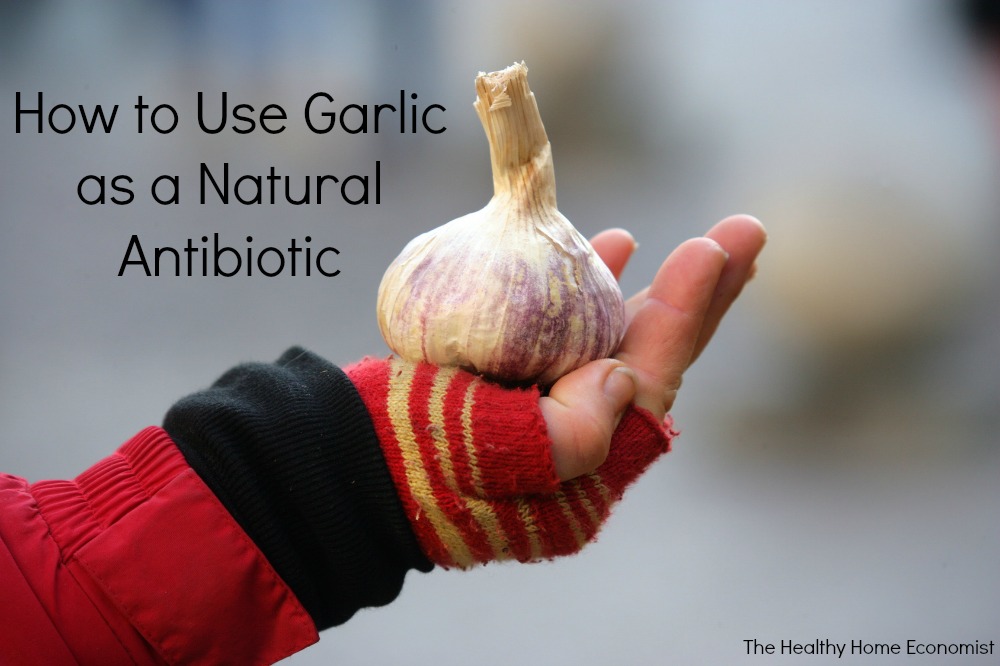
Garlic as a Natural Antibiotic: Unleashing the Power of Nature for Better Health
Introduction:
In today’s world, where antibiotic resistance is becoming a growing concern, finding alternative options to combat bacterial infections is more important than ever. One such alternative that has been used for centuries is garlic. Not only is garlic an essential culinary ingredient in many cultures, but it also possesses remarkable health benefits, including its natural antibiotic properties.
Garlic’s History and Cultural Significance:
Garlic (Allium sativum) has been cultivated for thousands of years and holds a prominent place in various cuisines worldwide. Its usage can be traced back to ancient civilizations such as Egypt, Greece, Rome, China, and India. In addition to its culinary uses, garlic has long been recognized for its medicinal qualities.
Throughout history, garlic was utilized to treat various ailments due to its antimicrobial and healing properties. Ancient Egyptians fed their workers garlic to improve their strength and endurance while constructing the pyramids. The Greeks and Romans consumed it regularly during times of war or outbreaks of infectious diseases.
Chemical Composition of Garlic:
The pungent odor and taste of garlic are attributed mainly to sulfur compounds like allicin. When raw or crushed cloves are consumed or exposed to air, an enzyme called alliinase converts alliin into allicin. Allicin is not present in fresh garlic but forms within seconds when the cloves are cut or crushed.
Allicin serves as the primary active compound responsible for most of garlic’s therapeutic effects. However, other sulfur-containing compounds like diallyl sulfides (DAS), diallyl disulfide (DADS), diallyl trisulfide (DATS), ajoene, and s-allylcysteine also contribute significantly to its medicinal properties.
Antibacterial Properties:
Garlic exhibits broad-spectrum antibacterial activity against both Gram-positive and Gram-negative bacteria. Studies have shown its efficacy against common pathogens such as Escherichia coli, Staphylococcus aureus, Salmonella species, and Streptococcus pneumoniae.
The antimicrobial activity of garlic is attributed to the presence of allicin and other sulfur compounds. Allicin disrupts bacterial cell membranes by inhibiting enzymes necessary for their growth and survival. This disruption leads to the death of bacteria or prevents their ability to multiply.
Moreover, unlike conventional antibiotics that target specific strains of bacteria, garlic’s antibacterial properties remain effective even against antibiotic-resistant strains. This makes it a valuable alternative in combating infections caused by drug-resistant bacteria.
Antiviral Properties:
In addition to its antibacterial effects, garlic also exhibits antiviral activity against several viruses. It has been found effective against respiratory viruses like influenza virus, rhinovirus (common cold), and respiratory syncytial virus (RSV).
Garlic’s antiviral properties are attributed to various mechanisms. One mechanism involves interfering with viral replication by inhibiting key enzymes required for viral multiplication. Another mechanism is enhancing the immune response against viral infections, thereby reducing disease severity.
Furthermore, research suggests that garlic may possess potential antiviral activity against emerging viruses such as coronaviruses. While more studies are needed to establish its efficacy specifically against SARS-CoV-2 (the virus responsible for COVID-19), preliminary evidence shows promise.
Antifungal Properties:
Beyond its antibacterial and antiviral effects, garlic also exhibits antifungal activity against various fungal species. Candida albicans is one of the most common fungi causing infections in humans, especially in immunocompromised individuals or those with underlying conditions like diabetes.
Studies have shown that garlic extract can inhibit the growth and biofilm formation of Candida albicans. Garlic’s antifungal properties are believed to be due to its ability to disrupt fungal cell membranes and interfere with fungal enzymes essential for their survival.
Garlic’s Potential as a Natural Antibiotic:
The widespread use of antibiotics has led to the emergence of antibiotic-resistant bacteria, making conventional treatments less effective. This calls for exploring alternative options like garlic to combat bacterial infections effectively.
Garlic’s natural antibiotic properties offer several advantages over conventional antibiotics. Firstly, it exhibits a broad spectrum of activity against various pathogens, including drug-resistant strains. Secondly, unlike synthetic antibiotics that often have adverse side effects, garlic is generally well-tolerated and safe when consumed in moderate amounts.
Furthermore, garlic’s multifaceted nature allows it to exert multiple antimicrobial effects simultaneously. The combination of antibacterial, antiviral, and antifungal activities makes it an excellent candidate for fighting complex infections or those caused by multiple pathogens.
Ways to Incorporate Garlic into Your Diet:
To harness the potential health benefits of garlic as a natural antibiotic, incorporating it into your diet is key. Here are some simple ways to enjoy garlic while boosting your immune system:
1. Raw: Consuming raw cloves provides the highest allicin content but may be too pungent for some individuals.
2. Crushed or Chopped: Crushing or chopping garlic releases more allicin than consuming whole cloves.
3. Cooked: While cooking reduces the potency of allicin due to heat sensitivity, cooked garlic still retains other beneficial sulfur compounds.
4. Fermented: Fermented garlic products like black garlic offer unique flavors and potentially enhanced bioavailability of active compounds.
5. Supplements: Garlic supplements provide a convenient option for individuals who do not enjoy the taste or smell of fresh garlic.
Precautions and Considerations:
Although considered safe for most people when used appropriately in culinary amounts or as dietary supplements, there are certain considerations regarding garlic usage:
1. Allergies: Some individuals may be allergic to garlic; therefore, it is advisable to test for allergies before consuming large amounts or using garlic supplements.
2. Interactions with Medications: Garlic may interact with certain medications, especially blood-thinning drugs. Consult a healthcare professional if you take any medications regularly.
3. Digestive Issues: Raw garlic can cause digestive discomfort in some individuals. Cooking garlic or using aged garlic extracts may be better tolerated.
Conclusion:
Garlic’s natural antibiotic properties have been recognized and utilized for centuries across different cultures. Its broad-spectrum antimicrobial effects against bacteria, viruses, and fungi make it a valuable alternative to conventional antibiotics.
Incorporating garlic into your diet not only adds flavor to your meals but also boosts your immune system and helps fight infections naturally. However, it is essential to consider individual tolerances and potential interactions with medications.
As we face the challenges of antibiotic resistance, exploring nature’s remedies like garlic provides hope for a healthier future where we can rely on the power of natural alternatives to combat infections effectively.

Leave a Reply