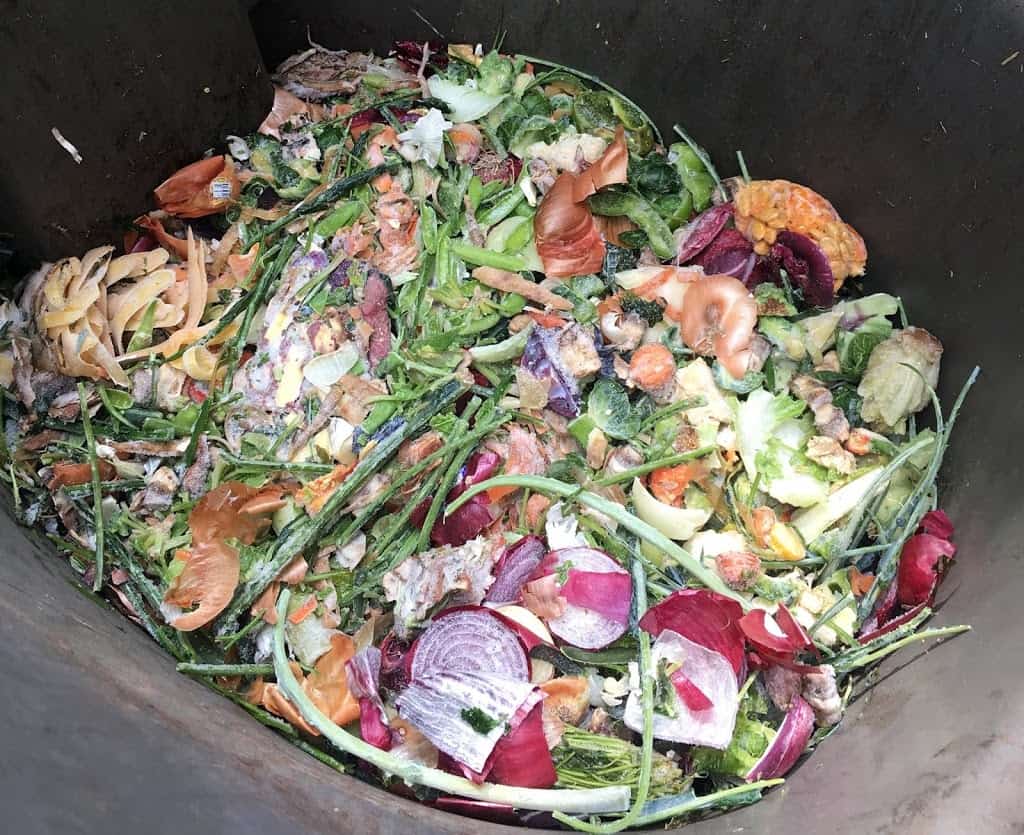
Minimizing Food Waste in a Vegetarian Kitchen
Food waste is a significant issue that affects our environment, economy, and food security. In fact, according to the Food and Agriculture Organization of the United Nations (FAO), approximately one-third of all food produced for human consumption is wasted globally. As individuals who care about our planet and strive for healthier eating habits, it’s essential to find ways to minimize food waste in our vegetarian kitchens. Here are some practical tips on how you can achieve this goal.
1. Plan Your Meals
Meal planning is an excellent strategy to reduce food waste. Before heading to the grocery store, take some time to plan your meals for the week ahead. Consider what ingredients you already have at home and create a shopping list based on those items. By doing this, you’ll avoid buying unnecessary ingredients that might end up going bad before you can use them.
2. Buy Only What You Need
When shopping for groceries, be mindful of purchasing only what you need. It’s easy to get carried away by promotions or bulk deals, but ask yourself if you will genuinely utilize all those extra items before they spoil. Buying just enough not only helps prevent waste but also saves money.
3. Proper Storage Techniques
Knowing how to store different types of produce correctly is vital in extending their shelf life and preventing spoilage. For example:
– Leafy greens: Remove any rubber bands or ties from bundles and wrap them loosely in damp paper towels before storing them in an airtight container.
– Fruits: Keep fruits like apples separate from other produce as they release ethylene gas, which speeds up ripening.
– Root vegetables: Store root vegetables like carrots and radishes in the refrigerator with their tops removed since they draw moisture from the roots.
– Fresh herbs: Treat fresh herbs like flowers – place them upright in a glass of water on your kitchen counter or keep them refrigerated with stems submerged in water.
4. Utilize the Entire Vegetable
One of the great advantages of a vegetarian kitchen is that you have an abundance of fresh produce to work with. However, it’s crucial to maximize every part of the vegetables you use:
– Stems and Leaves: Don’t discard vegetable stems like broccoli or cauliflower; they can be chopped and used in soups, stir-fries, or salads. Similarly, beet or carrot tops can be sautéed or blended into pesto.
– Peels and Scraps: Instead of throwing away peels and scraps, save them for making vegetable broth. Simply store them in a freezer bag until you have enough to make a flavorful homemade broth.
5. Get Creative with Leftovers
Leftovers are often overlooked but can be transformed into delicious new meals with a bit of creativity:
– Pasta dishes: Leftover pasta can easily become a cold pasta salad by adding some fresh veggies, herbs, and dressing.
– Stir-fries: Use any leftover cooked rice or vegetables as ingredients for a quick stir-fry the following day.
– Soups and stews: Combine various leftovers like cooked beans, roasted vegetables, and grains to create hearty soups and stews.
6. Preserve Excess Produce
If you find yourself with an excess amount of produce that might go bad before you can consume it all, consider preserving methods such as freezing, drying, pickling or fermenting:
– Freezing: Many fruits can be frozen for later use in smoothies or desserts while vegetables like peas or corn freeze well too.
– Drying: Herbs are commonly dried by hanging them upside down in bunches; however many fruits like apples also make excellent dried snacks when sliced thin.
– Pickling/Fermenting: Cucumbers aren’t the only vegetable that benefits from pickling – carrots, radishes and bell peppers add tangy flavors when fermented too.
7. Composting
Lastly, composting is an excellent way to reduce food waste while also creating nutrient-rich soil for your garden. Set up a compost bin in your backyard or look for local community gardens that accept food scraps. By composting, you’ll divert waste from landfills and help improve the health of our planet.
In conclusion, minimizing food waste in a vegetarian kitchen requires planning, proper storage techniques, creativity with leftovers, and preservation methods like freezing or pickling. By implementing these strategies into our daily lives, we can make a significant impact on reducing food waste and promoting sustainable habits in our kitchens. Remember: every small step counts towards building a healthier planet!

Leave a Reply