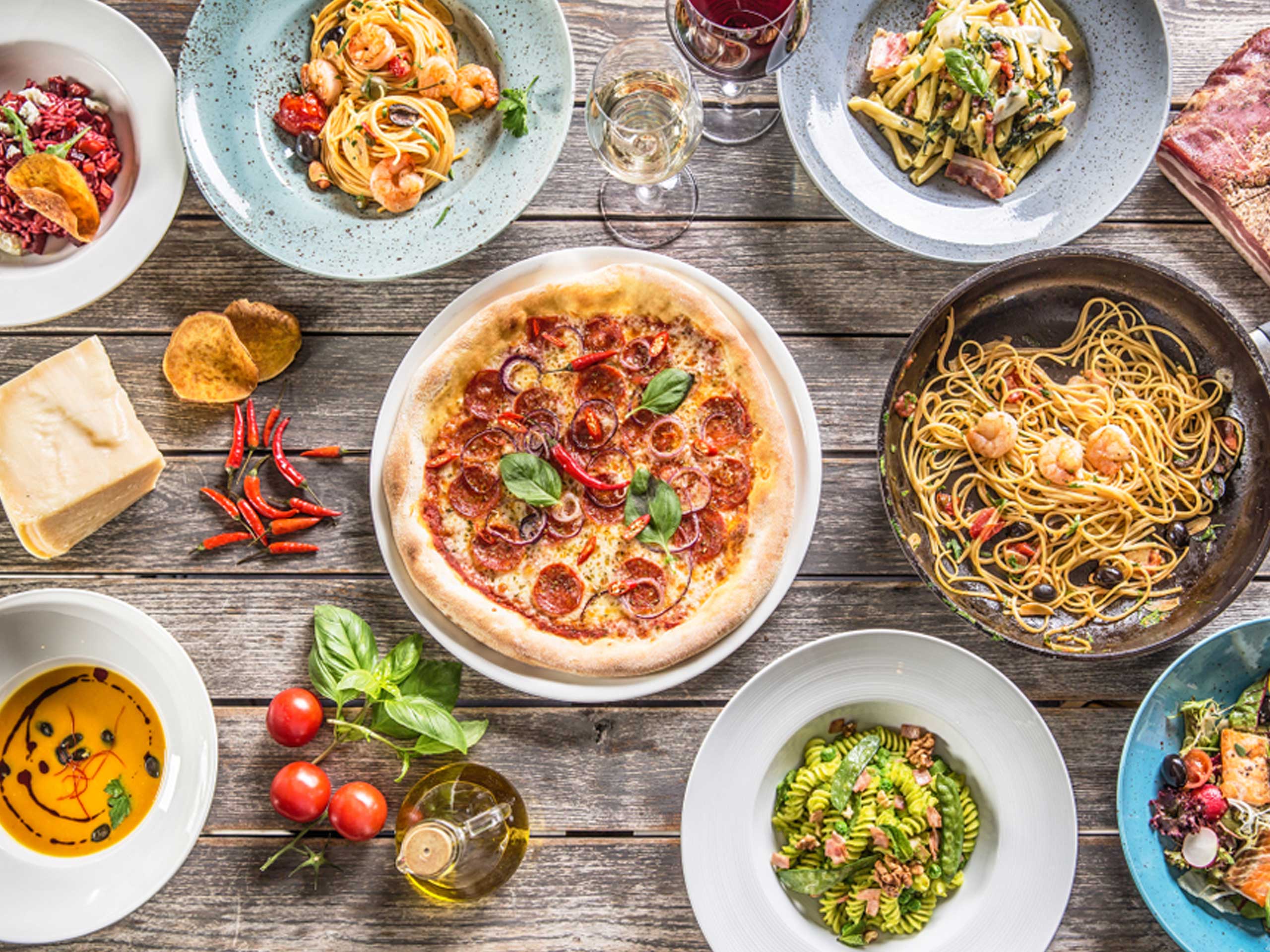
Italy is known for its rich history, stunning landscapes, and of course, its delicious cuisine. Italian food has gained worldwide popularity for its use of fresh ingredients and simple yet flavorful recipes. But did you know that the traditional Mediterranean diet followed by Italians is also considered one of the healthiest diets in the world? In this article, we will explore the key elements of the Italian diet and how it promotes a healthy lifestyle.
1. Emphasis on Fresh Ingredients:
The foundation of Italian cuisine lies in using fresh, seasonal ingredients. Italians prioritize fruits, vegetables, legumes, whole grains, nuts, and seeds in their meals. These foods are high in vitamins, minerals, fiber, and antioxidants while being low in calories. The abundance of these nutritious ingredients ensures a well-rounded intake of essential nutrients.
2. Olive Oil as a Dietary Staple:
Olive oil is an integral part of Italian cooking and adds a distinct flavor to dishes. It is used generously instead of butter or other oils due to its numerous health benefits. Extra-virgin olive oil contains monounsaturated fats that help lower bad cholesterol levels while increasing good cholesterol levels in our body. It also contains powerful antioxidants that fight inflammation and protect against heart disease.
3. Moderation is Key:
Italians believe in enjoying their food but practicing moderation at the same time. Portion sizes are typically smaller compared to many other countries where overeating has become common practice. By consuming moderate portions during each mealtime (breakfast, lunch, dinner), Italians maintain better control over their calorie intake while still savoring their food.
4. Home-Cooked Meals:
Italians have a strong culture around home-cooked meals shared with family and friends around the table—a practice known as “la cucina di casa.” This tradition encourages healthier eating habits since homemade meals allow individuals to have full control over ingredient choices while avoiding processed foods often laden with unhealthy additives such as preservatives, artificial flavors, and excessive sodium.
5. Focus on Whole Grains:
In Italy, pasta is a beloved staple food. The difference lies in the fact that Italians predominantly consume whole-grain pasta instead of refined varieties. Whole grains are packed with fiber, which aids digestion, helps maintain healthy blood sugar levels and promotes feelings of fullness. Additionally, they provide essential B vitamins and minerals like iron and magnesium.
6. Plenty of Fresh Fruits and Vegetables:
Italians prioritize fruits and vegetables as an integral part of their diet. These colorful plant-based foods offer a wide range of nutrients while being low in calories. Tomatoes, peppers, zucchini, eggplant, spinach are just a few examples found abundantly in Italian dishes—providing antioxidants that protect against chronic diseases.
7. Seafood for Protein:
Italy’s extensive coastline enables easy access to fresh seafood options like fish (salmon, sardines), shellfish (mussels, clams), squid, octopus—rich sources of lean protein and omega-3 fatty acids. Omega-3 fatty acids promote heart health by reducing inflammation and lowering triglyceride levels in the blood.
8. Red Wine in Moderation:
Moderate consumption of red wine during meals is another characteristic aspect of the Italian lifestyle known to have numerous health benefits when done responsibly. Red wine contains antioxidants called polyphenols that help reduce inflammation and protect against heart disease when consumed in moderation (1 glass per day for women; 2 glasses per day for men).
9. Desserts: Quality over Quantity:
While Italians do indulge in desserts occasionally as part of their cultural heritage, they value quality over quantity when it comes to sweets. Traditional Italian desserts like tiramisu or panna cotta use simple ingredients but pack immense flavor—a small portion can satisfy your sweet tooth without going overboard on added sugars or unhealthy fats.
10: Slow-Paced Meals:
Italians take their time to enjoy each meal, savoring the flavors and engaging in conversations. Eating slowly allows the brain to register fullness, reducing the chances of overeating. This mindful approach to food consumption promotes better digestion and overall satisfaction.
In conclusion, traditional Italian cuisine offers a wealth of healthy eating principles that can be easily adapted into any lifestyle. By focusing on fresh ingredients, using olive oil as a primary fat source, practicing portion control, and embracing homemade meals shared with loved ones, you too can enjoy the benefits of the Mediterranean diet. So why not bring a taste of Italy into your kitchen and embark on a journey towards healthier eating habits? Buon appetito!

Leave a Reply