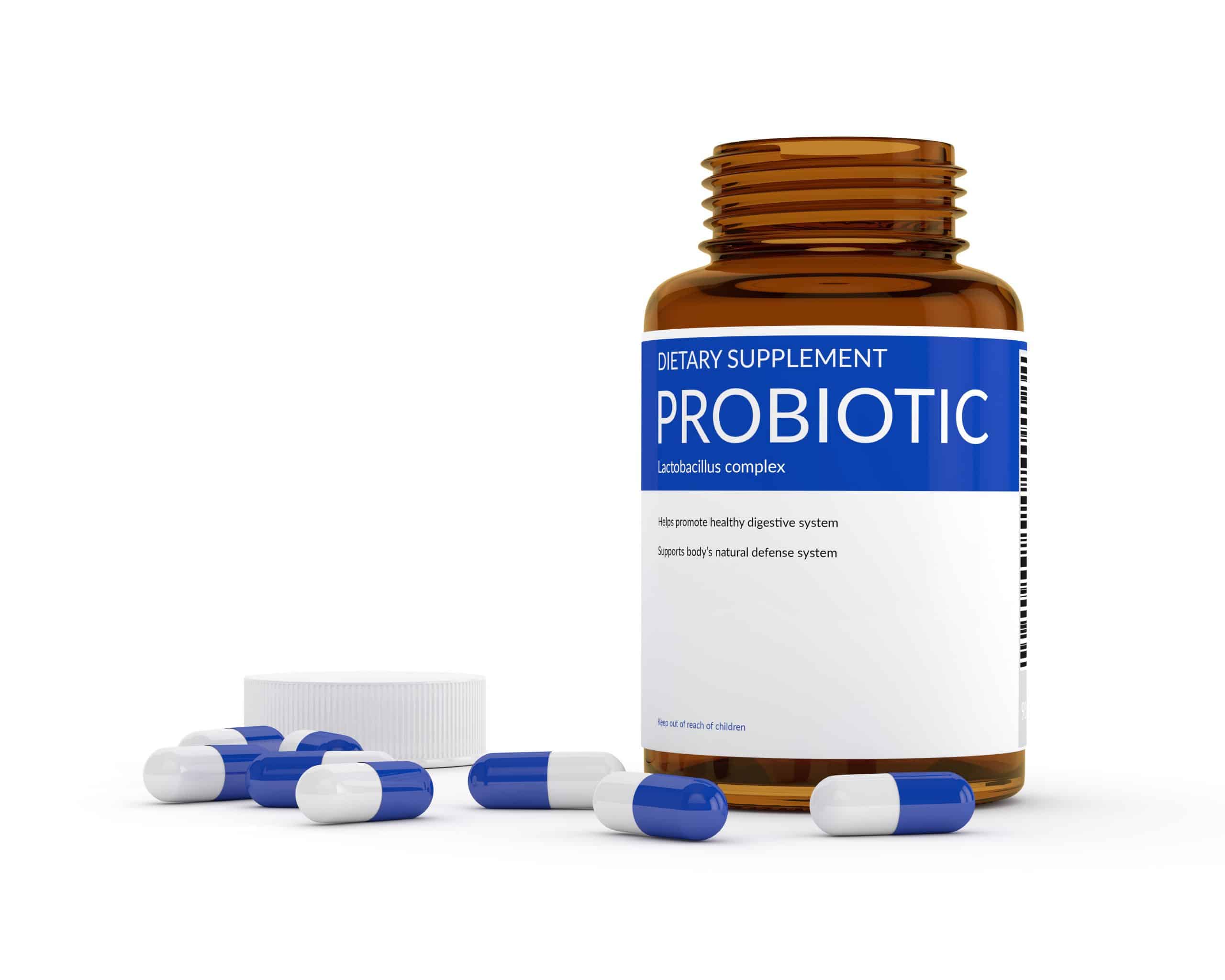
Probiotic supplements have gained immense popularity in recent years due to their potential health benefits. These supplements contain live microorganisms that are believed to improve the balance of bacteria in our gut, leading to better digestion and overall well-being. However, like with any dietary supplement, it’s important to consider the cost-effectiveness of probiotic supplements before incorporating them into your daily routine.
To understand the cost-effectiveness of probiotic supplements, we need to evaluate two key aspects: the actual cost of these products and their demonstrated effectiveness.
Cost Analysis:
When it comes to purchasing probiotic supplements, you will find a wide range of options available in terms of price. The cost can vary significantly depending on factors such as brand reputation, specific strains included, dosage strength, and quantity per bottle.
In general, probiotic supplements can range anywhere from $10 to $50 for a month’s supply. Some premium brands may even charge more than that. It’s essential to compare prices across different brands and retailers before making a purchase.
One way to potentially save money is by opting for generic or store-branded probiotics rather than well-known name brands. Generic versions often contain similar strains at a lower price point without compromising quality or effectiveness. Additionally, buying larger quantities or subscribing for regular deliveries can help reduce costs over time.
Effectiveness Evaluation:
The effectiveness of probiotics largely depends on various factors such as the specific strains used and individual body chemistry. While numerous studies suggest positive outcomes associated with certain strains and conditions like diarrhea prevention or alleviation of irritable bowel syndrome (IBS) symptoms, more research is needed in many areas.
It’s essential to choose a reputable brand that provides detailed information about their product’s efficacy backed by scientific evidence from clinical trials. Look for strains with proven health benefits rather than generic claims like “improves gut health.” Reputable brands will often specify the strain composition along with CFU (colony-forming units) count, which indicates the number of live bacteria per serving.
It’s important to note that not all strains are created equal. Some strains have been extensively studied and shown consistent positive effects. Examples include Lactobacillus acidophilus, Bifidobacterium lactis, and Saccharomyces boulardii. Others might lack sufficient evidence or research to support their claimed benefits fully.
Considering these factors will help you make an informed decision regarding the cost-effectiveness of probiotic supplements. While they may seem expensive initially, if a specific strain has compelling scientific evidence supporting its efficacy for your specific health concern, it may be worth the investment in the long run.
Moreover, when evaluating effectiveness, it’s crucial to understand that results can vary from person to person. Factors like individual gut microbiome composition, overall health status, diet, and lifestyle play significant roles in determining how well your body responds to probiotics. Therefore, it’s always advisable to consult with a healthcare professional before starting any new supplement regimen.
Cost-Effectiveness Considerations:
To determine whether probiotic supplements are cost-effective for you personally, consider the following points:
1. Health condition: If you have a specific health condition such as antibiotic-associated diarrhea or inflammatory bowel disease (IBD), where there is strong evidence supporting certain strains’ benefits in managing symptoms or preventing recurrences—investing in those targeted formulations might be worthwhile.
2. Diet and lifestyle: Evaluate your current dietary habits and lifestyle choices. A healthy diet rich in whole foods like fruits, vegetables, whole grains alongside regular exercise plays a vital role in maintaining optimal gut health without relying solely on supplements alone.
3. Budget constraints: Assess your budgetary limitations and prioritize accordingly. If cost is a major concern but still wish to incorporate probiotics into your routine—an alternative could be consuming natural food sources rich in beneficial bacteria such as yogurt or fermented foods like sauerkraut, kimchi, or kombucha.
4. Long-term benefits: Consider the potential long-term benefits of probiotics in maintaining overall health and preventing future health issues. Investing in your well-being might save you money on medical expenses down the line.
In conclusion, determining the cost-effectiveness of probiotic supplements involves a careful evaluation of both their actual cost and demonstrated effectiveness. It’s important to research brands thoroughly, choose strains with proven benefits for specific health concerns, and consider individual factors like diet, lifestyle, and budget constraints. While probiotic supplements can be a valuable addition to one’s wellness routine when used judiciously, it’s crucial to consult with healthcare professionals for personalized advice based on your unique needs and circumstances.

Leave a Reply