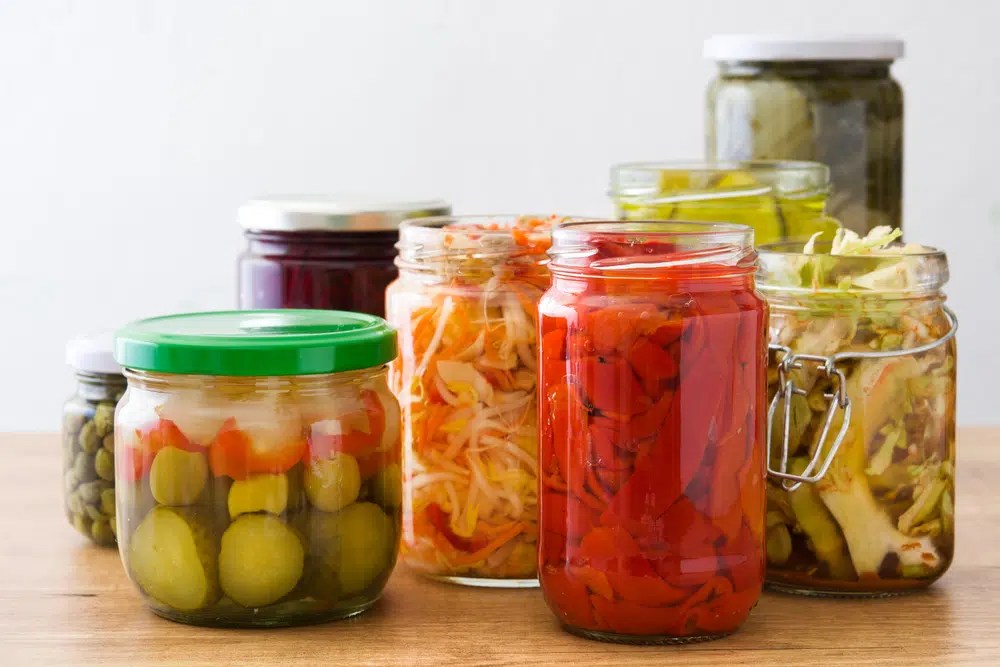
Fermented Foods and Probiotics: Top 10 Gut-Healthy Choices
When it comes to maintaining a healthy gut, fermented foods are the way to go. Packed with probiotics, these foods promote good digestion, support the immune system, and improve overall gut health. In this article, we will explore the top 10 fermented foods that you should include in your diet for optimal wellness.
1. Yogurt: One of the most well-known and accessible sources of probiotics is yogurt. Made by fermenting milk with live bacteria cultures, yogurt not only aids digestion but also enhances nutrient absorption. Choose plain Greek yogurt without added sugars for maximum benefits.
2. Kefir: Similar to yogurt but with a thinner consistency and tangier taste, kefir is a powerhouse of beneficial bacteria and yeast strains. This fermented dairy product helps balance gut flora while providing essential vitamins and minerals.
3. Sauerkraut: Made from fermented cabbage, sauerkraut is rich in enzymes that aid digestion and increase nutrient availability. It also contains fiber which supports bowel regularity and improves overall gut function.
4. Kimchi: A staple in Korean cuisine, kimchi is a spicy cabbage-based condiment packed with flavor as well as beneficial bacteria. Its fermentation process produces lactic acid bacteria known for their positive impact on digestive health.
5. Miso: Originating from Japan, miso paste is made by fermenting soybeans with salt and koji (a type of fungus). This versatile ingredient adds depth to soups or can be used as a marinade or dressing option while delivering an abundance of probiotics.
6. Tempeh: A popular meat substitute among vegetarians and vegans alike, tempeh is made from fermented soybeans pressed into a cake-like form. Not only does it offer high levels of protein but also provides probiotics that improve gut health.
7. Kombucha: This fizzy, fermented tea has gained popularity due to its refreshing taste and health benefits. Kombucha contains a variety of probiotics, antioxidants, and organic acids that support digestion and boost the immune system.
8. Pickles: Fermented pickles are cucumbers soaked in a brine solution containing beneficial bacteria. They are low in calories while being rich in vitamins and minerals. However, it’s important to choose traditional pickles made through fermentation rather than those made with vinegar.
9. Sourdough Bread: Unlike regular bread, sourdough is made by fermenting dough using wild yeast and lactic acid bacteria cultures. This process not only enhances flavor but also breaks down gluten proteins for improved digestibility.
10. Kvass: Popular in Eastern Europe, kvass is a fermented beverage made from rye bread or beets. It contains lactobacilli which promote gut health while offering a unique flavor profile.
Including these fermented foods in your diet can provide numerous health benefits beyond just improved gut health. Regular consumption of probiotic-rich foods can enhance nutrient absorption, strengthen the immune system, reduce inflammation, and even improve mental well-being.
Remember that when purchasing these products commercially, always read labels carefully to ensure they contain live cultures as some processing methods may destroy the beneficial bacteria during production.
Incorporating fermented foods into your daily meals doesn’t have to be complicated. Start with small portions and gradually increase your intake to allow your body time to adjust. Whether you enjoy yogurt at breakfast or top off your salads with sauerkraut or kimchi for lunch or dinner, there are many delicious ways to reap the rewards of these gut-friendly options.
So why wait? Take charge of your gut health today by introducing more fermented foods into your diet!

Leave a Reply