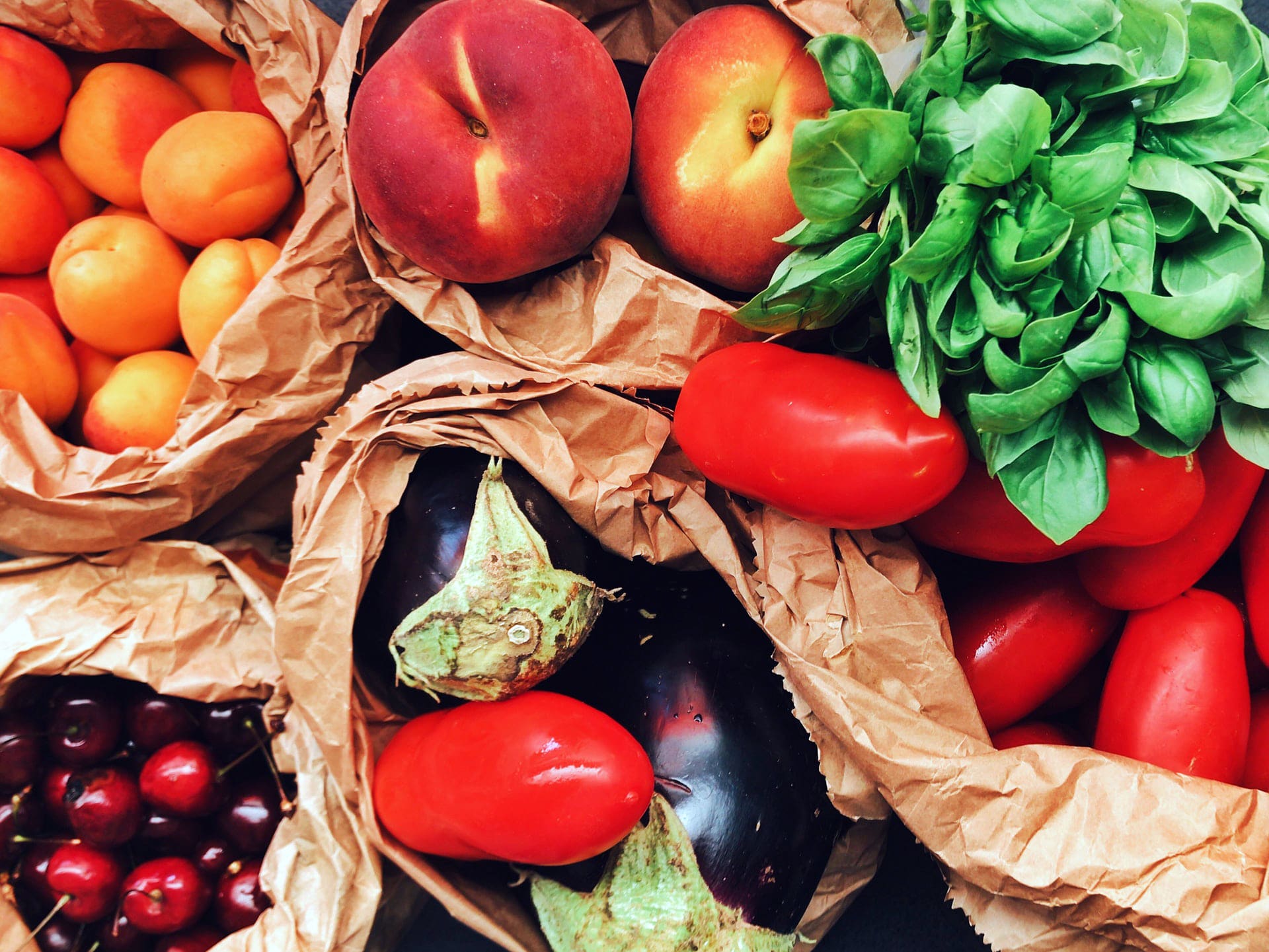
Seasonal Eating: Top 10 Reasons to Embrace the Bounty of Each Season
Eating seasonally is a practice that involves consuming fruits, vegetables, and other produce when they are naturally harvested during specific times of the year. This ancient tradition has gained popularity in recent years as people become more conscious about their health and the environment. By choosing to eat what’s in season, you not only enjoy fresher and more flavorful food but also support local farmers and reduce your carbon footprint. In this article, we will explore the top 10 reasons why you should embrace seasonal eating.
1. Nutritional Benefits:
Fruits and vegetables that are harvested at their peak contain higher nutritional content compared to those that have been stored or transported long distances. When produce is picked ripe from local farms, it retains its maximum vitamins, minerals, antioxidants, and phytochemicals which contribute to overall well-being. By eating seasonally, you can ensure that your body receives a diverse range of nutrients throughout the year.
2. Flavorful Delights:
Have you ever noticed how strawberries taste sweeter in summer or how tomatoes burst with flavor during late summer? Seasonal produce simply tastes better! Fruits and vegetables grown in their natural seasons develop optimal flavors due to favorable growing conditions like sunlight exposure and soil quality. By savoring these delicious offerings during their prime time, you get to indulge in nature’s culinary wonders.
3. Environmental Sustainability:
Choosing seasonal foods supports sustainable agriculture practices by reducing energy consumption associated with transportation and storage costs for out-of-season produce. When food travels long distances by air or refrigerated trucks, it contributes significantly to greenhouse gas emissions. On the other hand, local seasonal foods require less packaging since they don’t need elaborate preservation methods – think about all those plastic-wrapped fruits imported from across continents!
4.Support Local Farmers:
By opting for locally grown seasonal foods instead of supermarket imports year-round, you directly contribute to the success of local farmers and support your regional economy. This helps create a sustainable food system by fostering a direct connection between consumers and producers, promoting fair prices for farmers, and ensuring their livelihoods.
5. Cost-Effective:
When produce is in season, it is generally abundant, leading to lower prices due to increased supply. By buying seasonal fruits and vegetables at their peak availability, you can save money while enjoying fresh and high-quality products without compromising on taste or nutrition. Additionally, purchasing directly from local farms or farmer’s markets often eliminates middlemen costs associated with long supply chains.
6. Culinary Variety:
Eating seasonally encourages culinary exploration as each season brings its unique bounty of flavors and textures. Spring offers tender asparagus spears, vibrant salad greens, and juicy strawberries; summer brings an array of colorful berries, zucchini, corn on the cob; autumn delights us with pumpkin, apples, pears; while winter showcases comforting root vegetables like beets and carrots. Embracing seasonal eating allows you to diversify your diet naturally throughout the year.
7. Connection with Nature:
Seasonal eating fosters a deeper connection with nature’s cycles by aligning our diets with the rhythm of the seasons. It reminds us that humans are part of an interconnected ecosystem where we rely on the earth’s resources for sustenance. By embracing this practice, we become more aware of our surroundings and appreciate the beauty of natural abundance.
8.Healthy Lifestyle Habits:
Incorporating seasonal foods into your diet promotes healthy lifestyle habits such as mindful eating practices and meal planning based on what’s available locally at any given time. When you consume what nature provides abundantly during specific periods rather than relying solely on processed or imported food options year-round – it can positively impact your overall health by encouraging balanced nutrient intake.
9.Seasonal Celebrations:
Seasonal foods have always been central to cultural celebrations around the world. Think of the abundance of fruits during summer picnics or hearty stews during winter holidays. By embracing seasonal eating, you can tap into this rich cultural heritage and enjoy traditional dishes that have been passed down through generations.
10. Rediscovering Food Traditions:
In our fast-paced modern lives, we often find ourselves disconnected from food traditions and practices that were once deeply ingrained in our ancestors’ lives. Seasonal eating allows us to reconnect with these forgotten traditions while fostering a sense of community, sustainability, and gratitude for the nourishment provided by Mother Nature herself.
In conclusion, seasonal eating offers numerous benefits ranging from improved nutrition and flavor to environmental sustainability and support for local farmers. By incorporating seasonal foods into your diet, you not only promote your well-being but also contribute to creating a healthier planet for future generations. So why not embrace the bounty of each season? It’s time to savor nature’s gifts while nurturing our bodies and souls through seasonal eating!

Leave a Reply