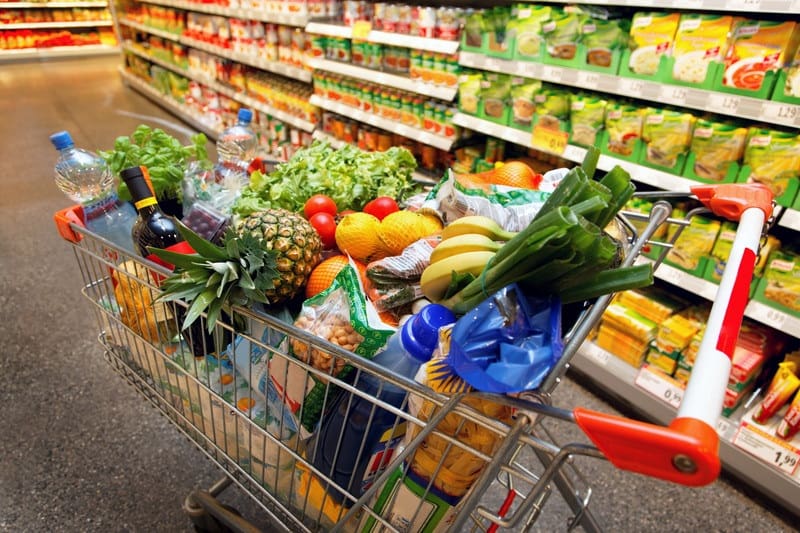
Saving Money on Groceries: A Guide to Healthy Eating on a Budget
Introduction:
Eating healthy doesn’t have to break the bank. With some smart planning and strategic shopping, it’s possible to nourish your body while also saving money on groceries. In this post, we will explore various tips and strategies that can help you eat healthily without blowing your budget.
1. Plan Your Meals:
Meal planning is a crucial step in saving money on groceries. Start by creating a weekly or monthly meal plan that outlines what you’ll eat for breakfast, lunch, dinner, and snacks. Consider incorporating seasonal produce as they are often more affordable and fresher.
Once your meal plan is ready, make a detailed grocery list of all the ingredients required for each recipe. By sticking to your list, you avoid impulse purchases and reduce food waste.
2. Shop with Purpose:
Before heading to the grocery store, take inventory of what you already have at home. This practice helps prevent buying unnecessary items or duplicates.
Next, compare prices from different stores in your area to find the best deals. Many stores offer online flyers or apps that allow you to browse sales conveniently from home.
Consider joining loyalty programs offered by supermarkets as they often provide exclusive discounts and coupons tailored specifically for their customers.
3. Buy in Bulk:
Buying non-perishable items in bulk can significantly reduce costs over time. Staples like rice, pasta, beans, nuts, seeds, and dried fruits can be bought in larger quantities since they have long shelf lives.
However, exercise caution when purchasing perishable goods in bulk because if not consumed quickly enough or stored properly (if applicable), they may go bad before use leading to wastage instead of savings.
4. Utilize Frozen Fruits & Vegetables:
Frozen fruits and vegetables are an excellent alternative when fresh produce is either out-of-season or expensive. They are flash-frozen at peak ripeness which preserves their nutritional value. Plus, frozen options are often more affordable and can be stored for longer periods, reducing waste.
Add frozen fruits to smoothies, oatmeal, or yogurt for a burst of flavor and nutrients. When cooking with frozen vegetables, simply thaw them slightly or add them directly to recipes that require cooking.
5. Embrace Meatless Meals:
Meat tends to be one of the most expensive items on grocery lists. Consider incorporating meatless meals into your weekly menu. Vegetarian dishes can still provide ample protein from sources like legumes (beans, lentils), tofu, tempeh, and quinoa.
Experiment with plant-based proteins in stir-fries, soups, salads, and sandwiches to discover new flavors while saving money.
6. Shop Seasonally:
Buying produce when it’s in season is not only cheaper but also tastier since it has been allowed to ripen naturally before harvest. Visit local farmers’ markets or farm stands where prices tend to be lower compared to supermarkets due to reduced transportation costs.
Stock up on seasonal fruits and vegetables during their peak availability and freeze any extras that you won’t consume immediately.
7. Don’t Dismiss Store Brands:
While brand loyalty is understandable when it comes to certain products like condiments or snacks we love; opting for store brands can save you substantial amounts of money without compromising quality in most cases.
Many store brands offer comparable nutritional values as their branded counterparts but at lower price points due to reduced marketing expenses associated with national brands.
8. Reduce Food Waste:
Food waste not only impacts your wallet but also contributes significantly to environmental issues such as methane emissions from landfills. To minimize food waste:
– Plan meals according to what you already have.
– Monitor expiration dates.
– Freeze leftovers promptly.
– Use vegetable scraps for homemade stocks.
– Repurpose overripe fruit into smoothies or baked goods.
– Get creative with meal prep using leftover ingredients.
9.Cook from Scratch:
Pre-packaged convenience foods often come with a higher price tag compared to cooking meals from scratch. Invest time in learning basic cooking techniques and experiment with homemade versions of your favorite dishes.
Making staples like bread, sauces, dressings, and snacks at home not only saves money but also allows you to control the quality of ingredients used.
10. Grow Your Own Food:
Consider starting a small vegetable or herb garden if you have access to outdoor space or even a sunny windowsill. Growing your own food is not only cost-effective but also rewarding and educational.
Herbs like basil, mint, thyme, and rosemary are easy to grow indoors while tomatoes, lettuce, peppers, and zucchini thrive in backyard gardens.
Conclusion:
Eating healthy on a budget is achievable with proper planning and smart shopping habits. By meal planning, buying in bulk where appropriate, utilizing frozen fruits and vegetables when needed, embracing meatless meals occasionally, shopping seasonally for produce deals, considering store brands as alternatives when possible – you can save money without sacrificing nutrition. Additionally reducing food waste by monitoring expiration dates and repurposing leftovers helps stretch your grocery budget even further. Lastly cooking from scratch using basic ingredients provides both cost savings as well as control over the quality of your meals. So go ahead; make healthier choices for yourself while being kinder to your wallet!

Leave a Reply