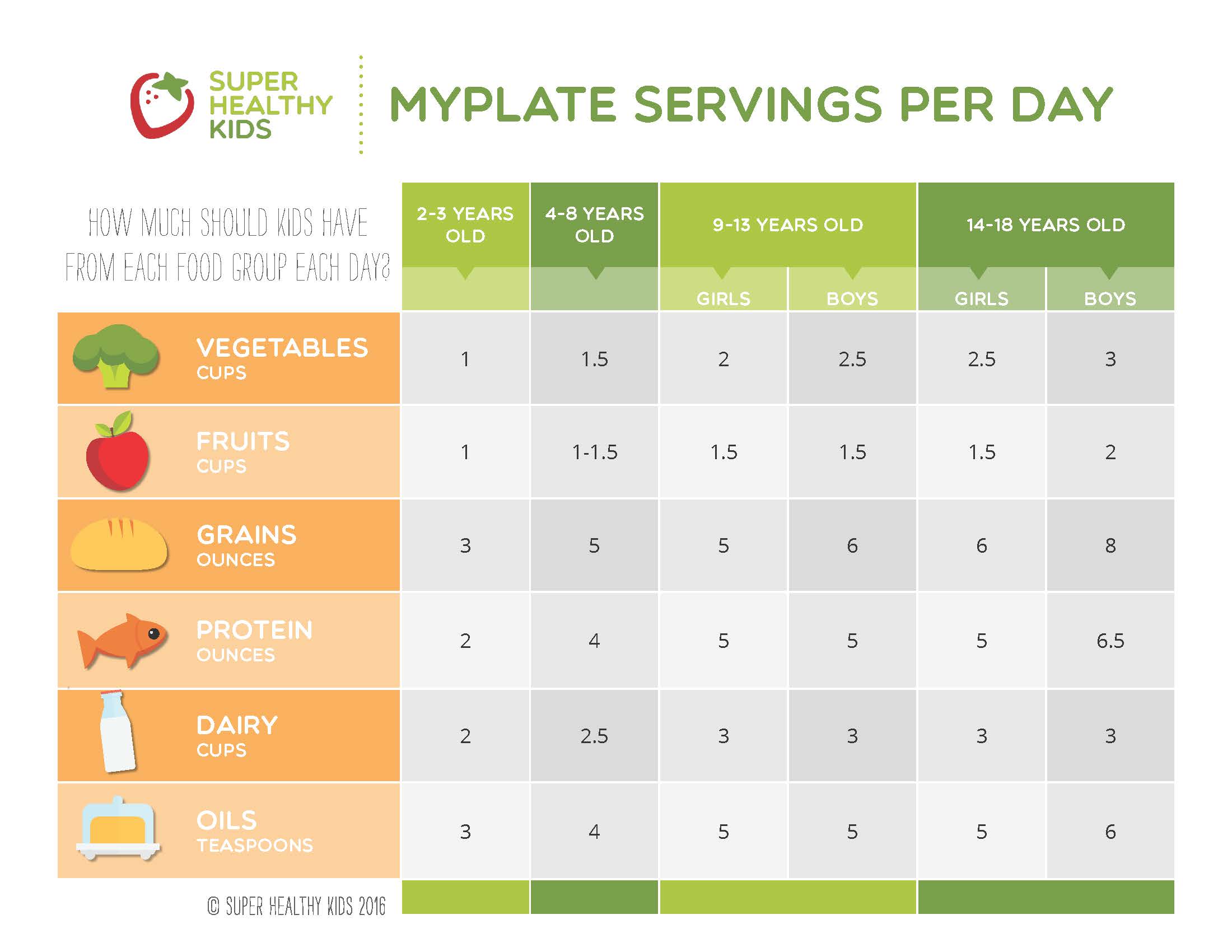
Portion Sizes for Different Food Groups: A Comprehensive Guide
Introduction:
Maintaining a healthy diet is crucial for overall well-being. One important aspect of a balanced diet is controlling portion sizes. Understanding the appropriate serving sizes for different food groups can help ensure that you’re consuming the right amount of nutrients without overeating. In this article, we will explore the recommended portion sizes for various food groups to assist you in making informed choices and promoting a healthy lifestyle.
1. Grains and Starches:
Grains and starches provide energy and essential nutrients like fiber, vitamins, and minerals. To maintain a balanced diet, it’s important to consume an adequate amount of these foods while monitoring your portion sizes.
– Whole grains: Aim to include whole grains such as brown rice, quinoa, or whole-wheat bread in your meals. One serving size typically equals about ½ cup cooked grains or one slice of bread.
– Pasta and noodles: For pasta or noodles, one serving size is generally equivalent to ½ cup cooked portions.
– Breakfast cereals: When it comes to breakfast cereals like oats or cornflakes, refer to the product’s packaging for recommended serving sizes since they may vary.
2. Fruits:
Fruits are packed with essential vitamins, minerals, fiber, and antioxidants that promote good health. It’s recommended to incorporate different types of fruits into your daily diet while being mindful of portion sizes.
– Fresh fruits: A single serving size usually equals one medium-sized fruit (such as an apple or banana) or ½ cup chopped fruit (like melons).
– Dried fruits: Due to their concentrated nature, dried fruits have higher calorie content than fresh ones. Limit your intake by sticking to smaller portions – around ¼ cup per serving.
– Fruit juices: While fruit juices offer some nutritional benefits when consumed in moderation, it’s advisable not to exceed more than one small glass (around 150ml) per day, as they lack the fiber found in whole fruits.
3. Vegetables:
Vegetables are a rich source of vitamins, minerals, and dietary fiber. They provide numerous health benefits and should be a significant part of your daily diet.
– Non-starchy vegetables: These include leafy greens (spinach, kale), broccoli, cauliflower, bell peppers, etc. A standard portion size is typically about 1 cup raw or ½ cup cooked vegetables.
– Starchy vegetables: Examples of starchy vegetables include potatoes, sweet potatoes, corn, peas. The recommended serving size for these veggies is also around ½ cup cooked portions.
4. Proteins:
Proteins play a vital role in building and repairing tissues and are essential for various bodily functions. It’s important to include lean protein sources while being mindful of portion sizes.
– Meat and poultry: One serving size for meat or poultry equals about 3 ounces (approximately the size of a deck of cards).
– Fish: For fish like salmon or tuna, aim for one serving around the same size as mentioned above – roughly 3 ounces.
– Legumes: Legumes such as lentils or chickpeas offer plant-based protein options. One serving typically equates to around ½ cup cooked legumes.
5. Dairy Products:
Dairy products provide calcium and other essential nutrients necessary for maintaining healthy bones and teeth. However, it’s important to consume them in moderation due to their higher calorie content.
– Milk/yogurt/kefir: One serving size generally equals one cup (250 ml) of milk or yogurt/kefir.
– Cheese: Due to its higher fat content compared to other dairy products, it’s advisable to limit cheese intake to approximately one ounce per serving.
6. Fats:
While fats are an essential part of a balanced diet when consumed in moderation, they can be high in calories. Be mindful of portion sizes for fats, such as oils and spreads.
– Oils: One serving size for oils is typically one tablespoon.
– Spreads: For spreads like butter or margarine, one serving size usually equals one teaspoon.
Conclusion:
Understanding appropriate portion sizes for different food groups is key to maintaining a healthy diet. By incorporating the recommended serving sizes mentioned above, you can ensure that you are consuming a balanced variety of nutrients without overeating. Remember to listen to your body’s hunger cues and adjust portion sizes accordingly. It’s always beneficial to consult with a registered dietitian or healthcare professional for personalized guidance on your specific dietary needs.

Leave a Reply