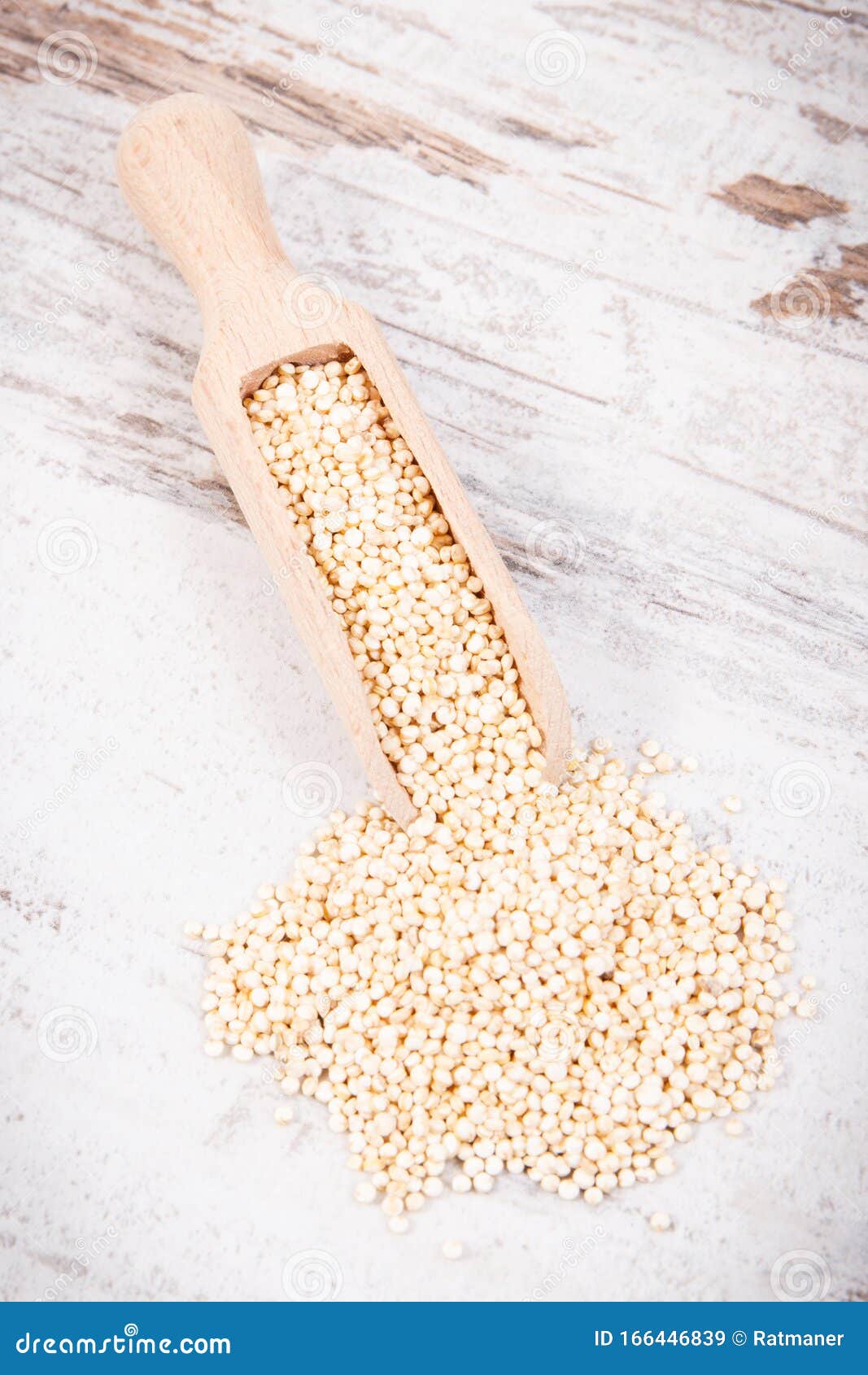
Quinoa: The Superfood Packed with Essential Minerals
When it comes to healthy eating, incorporating nutrient-dense foods into your diet is key. One such powerhouse is quinoa, a grain-like seed that has gained popularity in recent years due to its impressive nutritional profile. Apart from being a rich source of protein and fiber, quinoa also boasts an array of essential minerals that are vital for our overall well-being. In this article, we will delve into the benefits of consuming quinoa as a source of minerals like magnesium and iron.
Magnesium plays a crucial role in numerous bodily functions, including energy production, muscle function, and DNA synthesis. It also aids in maintaining normal nerve and muscle function, regulates blood pressure levels, and supports a healthy immune system. Incorporating magnesium-rich foods like quinoa into your diet can help ensure you meet your daily requirements.
In addition to its magnesium content, quinoa is also an excellent source of iron – an essential mineral responsible for carrying oxygen throughout the body. Iron helps prevent fatigue by supporting the production of hemoglobin in red blood cells which facilitates oxygen transport. Consuming adequate amounts of iron is particularly important for individuals with conditions like anemia or those at risk due to heavy menstrual bleeding or pregnancy.
Aside from these two standout minerals, quinoa offers other valuable nutrients that contribute to overall health. It contains phosphorus which aids in bone formation and repair; copper which assists in collagen production and promotes wound healing; manganese which supports metabolism and antioxidant defenses; and zinc which strengthens the immune system.
One reason why quinoa stands out among other grains is its superior nutrient profile compared to traditional staples like rice or wheat. For instance, while rice contains only trace amounts of minerals such as magnesium or iron, one cup (185 grams) of cooked quinoa provides approximately 30% of the recommended daily intake (RDI) for magnesium and 15% for iron.
Additionally, quinoa is gluten-free, making it an excellent alternative for those with celiac disease or a gluten sensitivity. This characteristic has contributed to the grain’s popularity and increased its use as a staple in various diets.
Incorporating quinoa into your meals can be simple and versatile. It can be cooked just like rice, boiled in water or broth until tender, and used as a base for salads, stir-fries, or even as a breakfast porridge. Its mild and slightly nutty flavor pairs well with various ingredients, allowing you to get creative in the kitchen.
When purchasing quinoa, opt for organic varieties whenever possible to ensure the absence of pesticides or genetic modifications. It is readily available at most grocery stores and health food markets either pre-packaged or sold in bulk.
To summarize, quinoa is not only packed with protein and fiber but also offers essential minerals like magnesium and iron that are vital for maintaining our overall health. By incorporating this versatile superfood into your diet regularly, you can reap the benefits of these minerals while enjoying its delicious taste. So why not give quinoa a try? Your body will thank you!

Leave a Reply