Omega-3 fatty acids are essential fats that play a crucial role in brain health. They are known for their anti-inflammatory properties and have been linked to various cognitive benefits, including improved memory and mood regulation.
There are three main types of omega-3 fatty acids: alpha-linolenic acid (ALA), eicosapentaenoic acid (EPA), and docosahexaenoic acid (DHA). ALA is primarily found in plant-based sources such as flaxseeds, chia seeds, and walnuts. EPA and DHA, on the other hand, are mainly found in fatty fish like salmon, mackerel, and sardines.
Research has shown that EPA and DHA are particularly important for brain health. In fact, studies have found that individuals with higher levels of these omega-3 fatty acids tend to have a reduced risk of age-related cognitive decline and neurodegenerative diseases such as Alzheimer’s disease.
One possible explanation for this is that EPA and DHA help protect the integrity of cell membranes in the brain. They also support the production of neurotransmitters, which are chemicals that facilitate communication between nerve cells. Additionally, omega-3s may reduce inflammation in the brain by inhibiting certain inflammatory molecules.
While fish is a well-known source of omega-3s, there are also lesser-known plant-based options available. For those who follow a vegetarian or vegan diet or simply prefer not to consume fish regularly due to concerns about mercury contamination or sustainability issues related to overfishing, it’s important to explore alternative sources.
Flaxseeds contain high amounts of ALA omega-3s. These small seeds can easily be incorporated into your diet by adding them to smoothies or sprinkling them over salads or oatmeal. Chia seeds are another excellent option; they can be used similarly to flaxseeds but also form a gel-like consistency when mixed with liquid, making them a popular ingredient in puddings and overnight oats.
Walnuts are not only delicious but also packed with ALA omega-3s. They can be eaten as a snack or added to baked goods, salads, or oatmeal. Other plant-based sources of omega-3s include hemp seeds, soybeans, and seaweed.
In addition to omega-3 fatty acids, it’s essential to ensure an adequate intake of protein for overall health and well-being. While many people associate protein primarily with animal products such as meat, dairy, and eggs, there are several lesser-known plant-based sources that can provide all the essential amino acids necessary for proper bodily function.
One such source is quinoa. This ancient grain is not only high in protein but also contains all nine essential amino acids. Quinoa can be used as a base for salads or served as a side dish instead of rice or pasta.
Another excellent plant-based protein source is tempeh. Made from fermented soybeans, tempeh has a firm texture and nutty flavor. It can be marinated and grilled or crumbled into stir-fries and stews.
Lentils are another often-overlooked protein powerhouse. These legumes come in various colors (red lentils, green lentils) and can be used to make soups, stews, curries, or even veggie burgers.
Seitan is derived from wheat gluten and has a chewy texture similar to meat. It absorbs flavors well when cooked with spices or marinades and can be sautéed, grilled, or baked.
Other notable plant-based protein sources include chickpeas (also known as garbanzo beans), edamame (young soybeans), nutritional yeast (a deactivated yeast rich in B vitamins), hemp seeds (which contain complete proteins), spirulina (a blue-green algae packed with nutrients), pumpkin seeds (an excellent snack option), and black beans (a versatile legume used in various Latin American dishes).
Including these lesser-known plant-based sources of protein can help diversify your diet, provide essential amino acids, and contribute to overall health.
When it comes to nutrition, organ meats often get overlooked despite being packed with nutrients. These unconventional cuts of meat include liver, heart, kidneys, tongue, and brain. While they may not be as commonly consumed as muscle meats like chicken breast or beef steak, they offer unique nutritional benefits that should not be ignored.
Liver is particularly rich in several vital nutrients. It is an excellent source of vitamin A (in the form of retinol), which is crucial for vision health and immune function. Liver also provides significant amounts of iron, zinc, copper, B-vitamins (including folate and vitamin B12), choline (important for brain health), and omega-3 fatty acids.
Heart meat is a lean protein source that contains high levels of coenzyme Q10 (CoQ10), which plays a key role in energy production within cells. It also contains important minerals like selenium and phosphorus.
Kidneys are known for their high content of vitamin B12 and other B-vitamins such as riboflavin and pantothenic acid. They are also rich in selenium—a mineral with antioxidant properties—and iron.
Tongue meat is prized for its tender texture when cooked properly but also offers valuable nutrients such as zinc, iron, niacin (vitamin B3), vitamin C (in small amounts), collagen (which supports joint health), and elastin (which contributes to skin elasticity).
Although consuming organ meats may require an adventurous palate or cultural familiarity for some individuals, incorporating them into your diet can provide a range of essential nutrients that may be lacking from more commonly consumed cuts of meat.
Seaweed and algae might not be at the top of everyone’s grocery list, but these marine plants offer a wide range of nutritional benefits. They are incredibly rich in vitamins, minerals, and antioxidants.
One particular nutrient found abundantly in seaweed is iodine. Iodine is essential for proper thyroid function and plays a crucial role in regulating metabolism. Seaweed also contains other important minerals such as calcium, magnesium, iron, and potassium.
In addition to minerals, seaweed provides various vitamins including vitamin K (important for blood clotting and bone health), vitamin A (essential for vision and immune function), and B-vitamins (which support energy production).
Seaweed’s antioxidant content is also worth mentioning. Antioxidants help protect cells from damage caused by free radicals—unstable molecules that can contribute to chronic diseases like cancer and heart disease.
Algae, another type of marine plant closely related to seaweed, offers similar nutritional benefits. Spirulina—a blue-green algae—is particularly noteworthy due to its high protein content; it contains all the essential amino acids making it a complete protein source.
Chlorella is another type of algae that has gained popularity as a supplement due to its potential detoxifying properties. It contains chlorophyll—a pigment responsible for the plant’s green color—which may aid in eliminating toxins from the body.
Adding seaweed or algae to your diet can be as simple as incorporating them into soups or salads or using them as wraps instead of traditional tortillas. Some grocery stores even offer dried seaweed snacks that are ready-to-eat right out of the package.
Fermented foods have been gaining attention lately due to their potential probiotic benefits—the live bacteria they contain can promote gut health by supporting the growth of beneficial bacteria in our digestive system.
While fermented vegetables like sauerkraut and kimchi are commonly known options when it comes to incorporating fermented foods into one’s diet, there are several lesser-known ways to enjoy these probiotic-rich foods.
Kombucha, a fermented tea beverage, is an increasingly popular choice. It is made by fermenting sweetened black or green tea with a symbiotic culture of bacteria and yeast (SCOBY). Kombucha offers a refreshing and slightly tangy taste that can be enjoyed on its own or used as a base for mixed drinks.
Miso paste, traditionally made from soybeans but also available in other varieties like chickpea miso, is commonly used in Japanese cuisine. It adds depth of flavor to soups, dressings, marinades, and glazes.
Tempeh—a plant-based protein source mentioned earlier—is created through the fermentation of cooked soybeans using a specific type of mold. Its firm texture and nutty flavor make it versatile for use in various dishes such as stir-fries, sandwiches, or even as a meat alternative in burgers.
Yogurt might be considered more mainstream than some other fermented foods; however, it still deserves mention due to its probiotic content. Opt for plain yogurt without added sugars and top it with fresh fruits or nuts for added flavor and nutrients.
Other lesser-known fermented foods include kefir (a cultured milk drink), natto (fermented soybeans often consumed in Japan), kvass (a traditional Eastern European beverage made from fermented grains like rye bread), and sourdough bread (made using wild yeast).
Choline—an essential nutrient—plays a vital role in liver function. This water-soluble vitamin-like compound is involved in several processes within the liver including fat metabolism, cell membrane structure maintenance, neurotransmitter synthesis, and detoxification reactions.
The body can produce small amounts of choline; however dietary sources are crucial to meet daily requirements. While eggs are well-known for their choline content—specifically found in the yolks—there are several other food options that provide this important nutrient.
Liver—one of the organ meats previously mentioned—is an excellent source of choline. Consuming liver once in a while can significantly contribute to meeting your daily choline needs.
Other animal-based sources include beef, chicken, fish (such as salmon and cod), and dairy products like milk and cheese.
For vegetarians or vegans looking for plant-based sources of choline, cruciferous vegetables like broccoli, Brussels sprouts, and cauliflower are good options. Legumes such as chickpeas and lentils also contain moderate amounts of choline.
Quinoa—a versatile grain-like seed—contains reasonable amounts of choline along with other important nutrients. Additionally, nuts like almonds and peanuts offer a significant amount of this essential nutrient.
Understanding the importance of choline for liver function is crucial in maintaining overall health. Ensuring adequate intake through a varied diet that includes both animal- and plant-based sources is recommended.
Superfoods have gained popularity over recent years due to their high nutritional value. While some superfoods have become well-known household names (think blueberries or kale), there are several lesser-known options from around the world that deserve attention for their unique health benefits.
One such example is moringa—a tree native to parts of Asia and Africa. The leaves of the moringa tree are exceptionally nutrient-dense; they contain high levels of vitamins A, C, E, K, B-vitamins (including folate), calcium, iron, magnesium, potassium, protein—an impressive range considering it’s derived from a single source!
Baobab fruit—an African superfood—is rich in vitamin C (more than oranges) as well as antioxidants like flavonoids and polyphenols which help protect cells against oxidative stress caused by free radicals. Baobab powder made from dried baobab fruit pulp can be added to smoothies or used as a natural flavor enhancer in various dishes.
Camu camu—a small berry found in the Amazon rainforest—also packs a powerful punch of vitamin C. It is known for its immune-boosting properties and may help reduce inflammation.
Amaranth—a grain-like seed native to the Americas—is not only gluten-free but also rich in protein, fiber, iron, magnesium, phosphorus, potassium, and vitamins A and C.
Sacha inchi—a seed native to the Peruvian Amazon—contains high levels of omega-3 fatty acids as well as protein, fiber, and various minerals including calcium.
Another lesser-known superfood is sea buckthorn—a bright orange berry found in coastal areas of Europe and Asia. These berries are rich in antioxidants like vitamin C and E as well as carotenoids which contribute to their vibrant color.
Adding these lesser-known superfoods from around the world to your diet can provide a wide range of essential nutrients that may be lacking from more commonly consumed foods. However, it’s important to note that while superfoods can offer additional health benefits when included in a balanced diet, they should not replace other nutritious foods altogether.
Dietary fiber plays an essential role in maintaining digestive health by promoting regular bowel movements and preventing constipation. Additionally, different types of dietary fiber offer various health benefits beyond digestion.
Soluble fiber forms a gel-like substance when mixed with water; this type of fiber helps lower cholesterol levels by binding to bile acids containing cholesterol. Good sources include oats, barley, legumes (such as beans), nuts (like almonds), seeds (flaxseeds or chia seeds), fruits (apples or oranges), vegetables (carrots or Brussels sprouts), seaweed (kelp or nori), psyllium husk (a supplement often used for its high soluble fiber content) among others.
Insoluble fiber adds bulk to stool aiding regular bowel movements; it promotes overall gut health by providing roughage that helps prevent constipation. Whole grains like brown rice, whole wheat bread or pasta, bran cereals, and vegetables (such as broccoli or cabbage) are good sources.
Resistant starch is a type of fiber that resists digestion in the small intestine and reaches the large intestine where it serves as food for beneficial gut bacteria. Foods high in resistant starch include green bananas, cooked and cooled potatoes or rice, legumes (like lentils), and raw oats.
Fermentable fibers—the kind fermented by gut bacteria—help promote a healthy gut microbiome. Good sources include onions, garlic, leeks, artichokes (known as prebiotics), as well as foods like yogurt with live cultures (probiotics).
It’s important to note that both soluble and insoluble fibers play crucial roles in maintaining overall health; therefore including a variety of fiber-rich foods from different sources is recommended for optimal benefits.
Cooking methods can impact nutrient retention in vegetables. While some nutrients may be lost during cooking due to heat sensitivity or water-solubility factors—vitamin C being particularly vulnerable—other cooking methods may enhance the availability of certain nutrients.
Steaming is considered one of the best methods for preserving nutrients in vegetables. It helps retain water-soluble vitamins such as vitamin C while minimizing nutrient loss due to leaching into boiling water.
Stir-frying quickly cooks vegetables at high heat while retaining their crispness and nutritional value. This method requires minimal oil and short cooking times which help preserve sensitive nutrients like vitamin C.
Roasting involves baking vegetables at high temperatures after seasoning them with oil and spices. Roasting can enhance flavors while breaking down cell walls making certain nutrients more bioavailable; however longer cooking times can lead to some nutrient loss especially heat-sensitive ones like vitamin C.
Boiling is a commonly used method but can result in significant nutrient losses if overcooked or if boiling liquid is discarded afterward since many water-soluble vitamins dissolve into the surrounding liquid. To minimize nutrient loss, consider using the cooking water in soups or stews.
Blanching—briefly immersing vegetables in boiling water followed by immediate cooling in ice water—can help preserve color, texture, and nutrients while partially cooking them. This method is commonly used for freezing vegetables.
Microwaving can be a quick and convenient way to cook vegetables with minimal nutrient loss since shorter cooking times are required compared to other methods like boiling or roasting; however it’s important not to overcook as this can lead to nutrient degradation.
Raw consumption of certain vegetables may provide additional nutritional benefits by preserving heat-sensitive nutrients such as vitamin C. However, some nutrients may become more bioavailable when cooked due to the breakdown of cell walls and increased digestibility.
Whether you choose raw or cooked vegetables, incorporating a variety of preparation methods into your diet will ensure a diverse intake of vitamins, minerals, and phytochemicals necessary for optimal health.
Calcium is an essential mineral that plays a vital role in maintaining strong bones and teeth. While dairy products are often considered the primary source of calcium in many diets, there are lesser-known options available for those who follow non-dairy diets or have lactose intolerance.
Sesame seeds are an excellent plant-based source of calcium; just 1 tablespoon provides about 9% of the daily recommended intake. They can be sprinkled on salads, added to stir-fries or baked goods, or even used as a base for tahini—an ingredient commonly found in Middle Eastern cuisine—to make sauces or dressings.
Leafy greens like kale, collard greens, turnip greens (tops), bok choy (Chinese cabbage), and mustard greens contain significant amounts of calcium per serving. These versatile greens can be incorporated into salads or sautéed as side dishes.
Tofu—a popular soy-based protein alternative—is also rich in calcium depending on the type (firm tofu contains more calcium than silken tofu). It can be marinated, grilled, stir-fried, or used in soups and stews.
Almonds are not only a delicious snack option but also provide a good amount of calcium. They can be eaten on their own, added to trail mixes or salads, or even ground into almond flour for baking purposes.
Fortified plant-based milk alternatives like soy milk, almond milk, rice milk, oat milk—among others—are enriched with calcium to match the levels found in cow’s milk per serving. These non-dairy options can be enjoyed on their own as beverages or used in recipes that call for milk.
Other noteworthy sources of non-dairy calcium include seaweed such as kelp and wakame; white beans like navy beans and cannellini beans; fortified orange juice; dried figs; blackstrap molasses—a thick syrup-like sweetener produced during the sugar refining process—as well as fortified cereals and bread.
By incorporating these lesser-known sources of calcium into your diet along with other nutrient-rich foods, you can ensure adequate intake for bone health without relying solely on dairy products.
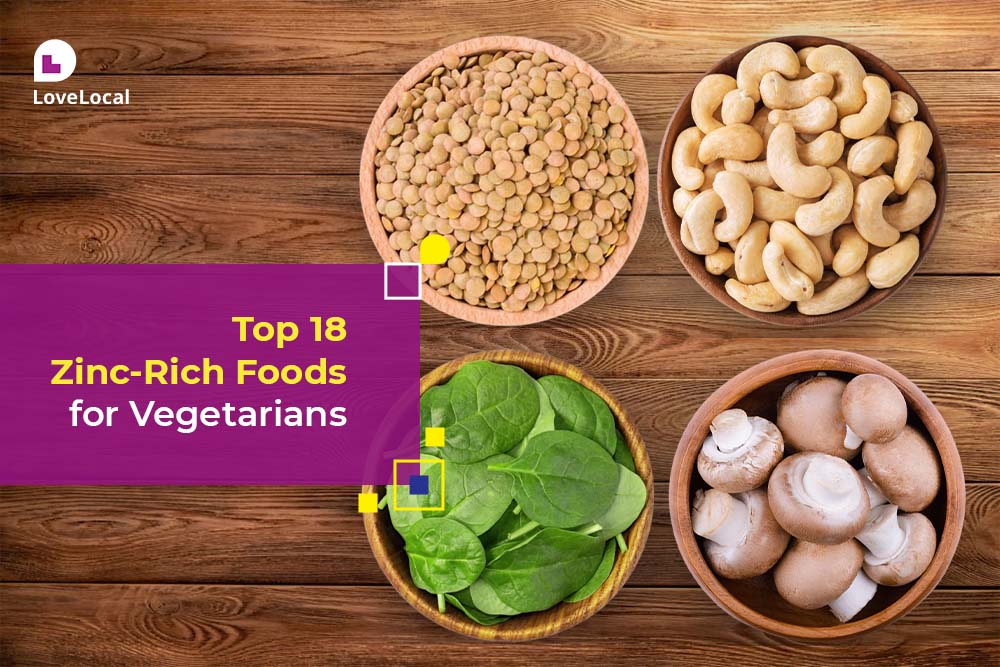
Zinc is an essential mineral that plays a vital role in supporting the immune system. It is involved in various processes within the body including cell division and growth, wound healing, taste perception, hormone production—and it has antioxidant properties that help protect cells against damage caused by free radicals.
While zinc is often associated with animal-based foods like beef and oysters—which are indeed excellent sources—it is also present in several

Leave a Reply