1. The Impact of Soil Health on Farm-to-Table Produce
When it comes to farm-to-table produce, soil health plays a crucial role in determining the quality and nutritional value of the food we consume. Healthy soil is teeming with beneficial microorganisms, organic matter, and nutrients that are essential for plant growth and development.
Soil health impacts the flavor, texture, and appearance of fruits and vegetables. Well-nourished plants grown in healthy soil tend to have higher levels of vitamins, minerals, and antioxidants compared to those grown in depleted or chemically treated soils.
Furthermore, healthy soil promotes biodiversity by providing a habitat for diverse microbial communities. These microorganisms help break down organic matter into nutrients that can be absorbed by plant roots. They also assist in suppressing harmful pathogens and pests naturally, reducing the need for chemical pesticides.
Farmers can improve soil health through sustainable practices such as crop rotation, cover cropping, composting, and reduced tillage. By fostering a balanced ecosystem underground, they create an environment where plants thrive without relying heavily on synthetic fertilizers or pesticides.
2. Lesser-Known Heirloom Vegetable Varieties
While many people are familiar with common vegetables like tomatoes or carrots found at their local grocery store, there is an entire world of lesser-known heirloom vegetable varieties waiting to be discovered.
Heirloom vegetables are open-pollinated varieties that have been passed down through generations because of their unique flavors or characteristics. Unlike commercially bred hybrids developed for uniformity and shelf life rather than taste, heirlooms offer a wide range of textures and flavors that can enhance any farm-to-table dish.
Some examples include:
– Purple Dragon Carrots: With their deep purple exterior contrasting against bright orange flesh inside,
these carrots add both visual appeal and earthy sweetness to salads or roasted vegetable medleys.
– Aunt Ruby’s German Green Tomato: This large tomato variety has a vibrant lime-green color when ripe
and offers a deliciously sweet and tangy flavor that is perfect for slicing onto sandwiches or using in salsas.
– Glass Gem Corn: Each kernel of this stunning corn variety has a different color, resembling gemstones.
It’s not only visually appealing but also makes flavorful popcorn or can be used as decorations.
By incorporating these lesser-known heirloom vegetable varieties into farm-to-table practices, we not only expand our culinary horizons but also contribute to the preservation of genetic diversity in our food system.
3. Sustainable Aquaponics and its Role in Farm-to-Table Practices
Aquaponics is an innovative farming method that combines aquaculture (fish farming) with hydroponics (soilless plant cultivation). This sustainable technique holds great promise for enhancing farm-to-table practices by providing fresh produce while minimizing environmental impact.
In an aquaponic system, fish waste serves as a natural fertilizer for plants grown hydroponically. The water from the fish tanks is continuously circulated through grow beds where plants absorb nutrients from the waste. In return, the plants purify the water before it returns to the fish tanks, creating a closed-loop ecosystem.
This symbiotic relationship between fish and plants results in multiple benefits:
a) Efficient Resource Utilization: Aquaponics uses significantly less water compared to conventional soil-based agriculture because water is recycled within the system rather than being wasted through runoff or evaporation.
b) Year-Round Production: Aquaponics allows for year-round production regardless of weather conditions since crops are grown indoors or within greenhouses. This ensures a steady supply of fresh produce throughout the year.
c) Reduced Environmental Impact: By eliminating traditional soil tilling, chemical fertilizers, and pesticides commonly used in conventional agriculture, aquaponic systems provide a more environmentally friendly way to grow food without polluting surrounding ecosystems.
d) Nutrient-Dense Produce: Plants growing in an aquaponic system have access to a consistent supply of nutrients, resulting in faster growth and higher nutrient density. This translates into more flavorful and nutritious farm-to-table produce.
As the demand for locally sourced, sustainable food continues to grow, aquaponics offers an exciting alternative that supports healthy eating practices while minimizing ecological impact.
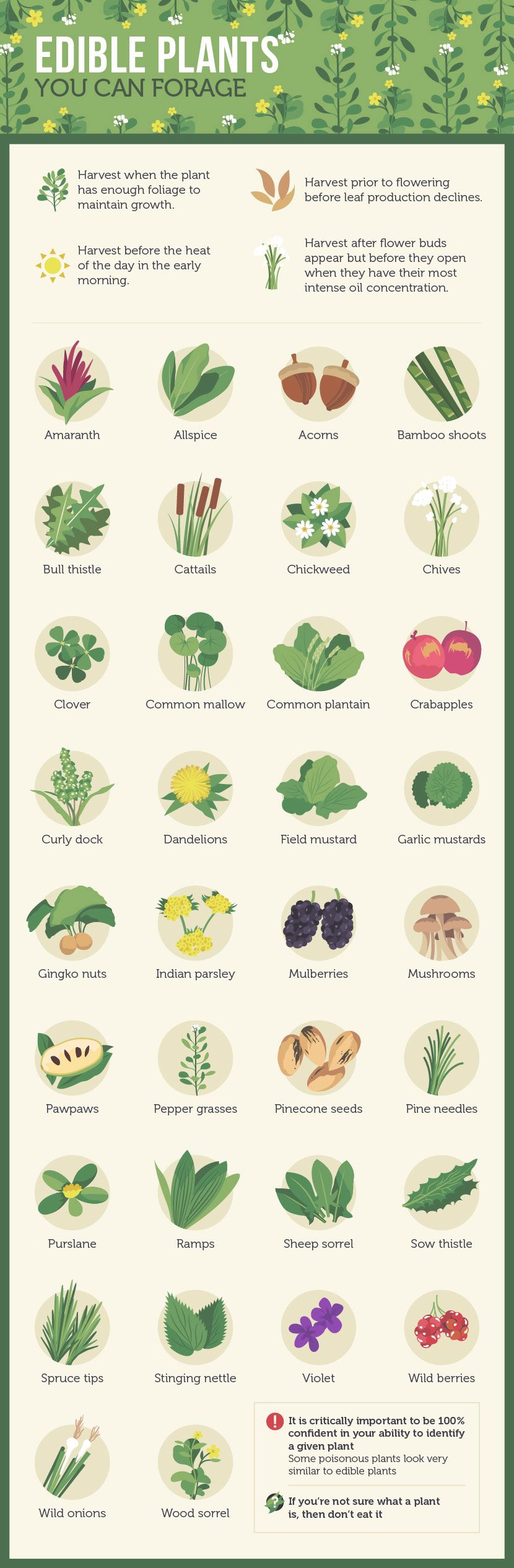
4. Foraging for Wild Edibles in Urban Environments
Foraging is the act of gathering wild plants and edibles from their natural habitat. While traditionally associated with rural areas, urban environments also offer a surprising abundance of edible plants waiting to be discovered.
By incorporating foraged wild edibles into farm-to-table practices, we can expand our culinary repertoire while reconnecting with nature and reducing our reliance on commercially grown produce. However, it’s essential to exercise caution when foraging by following these guidelines:
a) Identification: Familiarize yourself with local plant species and learn how to identify edible plants correctly. Consult field guides or attend guided foraging walks led by experienced experts who can help you distinguish between safe and toxic species.
b) Sustainability: Practice ethical harvesting by only taking what you need without causing harm to the plant or its ecosystem. Avoid over-harvesting rare or vulnerable species, as they play a vital role in maintaining biodiversity.
c) Safety: Be mindful of potential contaminants such as pollution or pesticides when foraging in urban environments. Choose locations away from heavily trafficked roadsides or polluted water sources.
d) Community Engagement: Join local foraging groups or workshops where you can learn from experienced foragers within your community. This not only provides valuable knowledge but also fosters connections with like-minded individuals passionate about sustainable food practices.
Some examples of commonly found urban edibles include dandelion greens (great in salads), purslane (high in omega-3 fatty acids), stinging nettle (rich in vitamins A and C), and chickweed (tasty addition to soups).
By responsibly foraging for wild edibles in urban environments, we can embrace the farm-to-table philosophy while reconnecting with nature and diversifying our diets.
5. The Benefits of Incorporating Insects into a Farm-to-Table Diet
Insects have been consumed as a source of protein by various cultures around the world for centuries. As people become more conscious of sustainability and seek alternative protein sources, incorporating insects into the farm-to-table movement is gaining traction.
Here are some benefits of including insects in our diet:
a) Sustainable Protein: Compared to traditional livestock farming, insect farming requires fewer resources such as land, water, and feed. Insects are highly efficient at converting organic waste into edible biomass and have a significantly smaller ecological footprint.
b) Nutritional Value: Edible insects are packed with essential nutrients like protein, healthy fats (omega-3 fatty acids), vitamins (B12), minerals (iron, calcium), and fiber. They offer a complete protein profile containing all nine essential amino acids required by our bodies.
c) Culinary Versatility: Insects can be incorporated into various dishes such as stir-fries, snacks, or even ground into flour to make baked goods. Their mild nutty flavor allows them to blend seamlessly with other ingredients.
d) Biodiversity Conservation: By embracing entomophagy (the practice of eating insects), we promote biodiversity conservation by reducing reliance on conventional livestock production that contributes to deforestation and greenhouse gas emissions.
e) Economic Opportunities: Insect farming offers economic opportunities for small-scale farmers or entrepreneurs looking to diversify their agricultural practices. It can serve as an additional income stream while contributing to local food security.
While Western societies may still find it challenging to overcome cultural biases against consuming insects, they represent an environmentally friendly and nutritious addition to the farm-to-table movement.

Leave a Reply