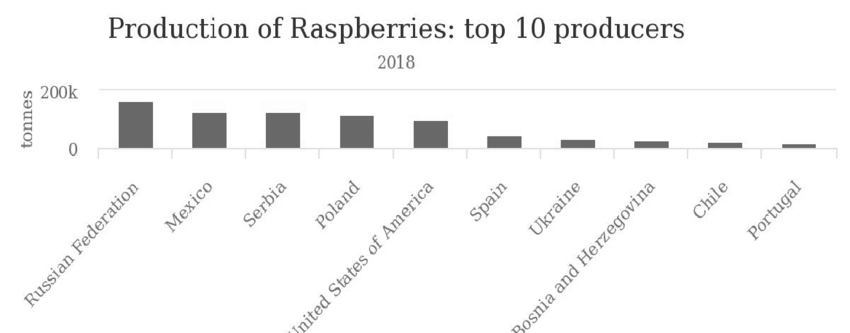
Raspberry Production in South America: A Tale of Taste and Sustainability
Introduction:
In recent years, the popularity of raspberries has soared, becoming a beloved fruit for its vibrant color, unique flavor, and numerous health benefits. While most people associate raspberry production with North America and Europe, South America plays a significant role in meeting the global demand for this delicious fruit. In this article, we will delve into the world of raspberry production in South America, exploring its growth as an industry, sustainable practices employed by farmers, and the impact on local communities.
The Rise of Raspberry Production:
South America’s favorable climate and fertile soil have made it an ideal region for raspberry cultivation. Countries such as Chile and Argentina have emerged as leading growers in the continent due to their diverse landscapes that offer optimal conditions for these delicate berries to thrive.
Chile leads the way when it comes to raspberry production in South America. The country’s Mediterranean climate with warm summers and mild winters provides a perfect environment for raspberries to grow year-round. Additionally, Chile’s long coastline allows easy access to irrigation water from rivers flowing down from the Andes Mountains.
Argentina is another prominent player in South American raspberry production. With its vast agricultural land stretching across different regions like Patagonia and Cuyo Valley, Argentina offers varied microclimates suitable for cultivating raspberries throughout different seasons.
Sustainable Practices:
As consumers become more conscious about sustainability practices within food industries worldwide, South American raspberry producers have also embraced eco-friendly methods. Sustainable agriculture techniques are being implemented to minimize environmental impact while ensuring high-quality yields.
One crucial aspect of sustainable raspberry farming is water management. Given that raspberries require consistent moisture levels but are sensitive to excessive watering or drought conditions; efficient irrigation systems play a vital role here. Many farms utilize drip irrigation methods that deliver water directly to plant roots while minimizing wastage through evaporation or runoff.
To reduce reliance on chemical pesticides that can harm both human health and the environment, South American raspberry farmers are adopting integrated pest management (IPM) strategies. IPM involves a combination of practices like monitoring pests, introducing natural predators, and using organic pesticides as a last resort. This approach safeguards the delicate balance between crop protection and ecological sustainability.
Furthermore, some producers have taken steps to minimize their carbon footprint by implementing renewable energy solutions. Solar panels are increasingly being used to power irrigation systems and processing facilities, reducing reliance on non-renewable energy sources.
Impact on Local Communities:
The growth of raspberry production in South America has not only created economic opportunities but also positively impacted local communities. The industry provides employment for thousands of people throughout the year, contributing to regional development and improving living standards.
In rural areas where raspberry farms are located, job opportunities often extend beyond agricultural roles. Processing plants require skilled workers for sorting, packaging, and transportation processes. As a result, more jobs are generated in these regions that support families and foster community growth.
Additionally, many raspberry farms actively engage with nearby communities through corporate social responsibility initiatives. These initiatives often include educational programs focusing on sustainable farming practices or providing healthcare services to underserved populations. By investing in these projects locally, raspberry producers help improve overall well-being while building stronger relationships with nearby residents.
Challenges Faced by Raspberry Producers:
Despite its success story in South America’s agriculture sector, raspberry production faces various challenges that need attention from both growers and policymakers alike.
Climate change poses a significant threat to raspberries as rising temperatures can affect plant physiology and increase water demand. Additionally, unpredictable weather patterns can lead to extreme events such as storms or prolonged droughts that damage crops or disrupt harvesting schedules.
Another challenge is market volatility caused by fluctuations in global demand or changes in consumer preferences. Raspberry producers must adapt quickly to meet shifting demands while ensuring product quality remains high throughout all stages of cultivation and distribution.
Conclusion:
South America’s role in the global raspberry production landscape cannot be overlooked. With its favorable climate, sustainable practices, and positive impact on local communities, the region has become an essential player in meeting the growing demand for this delectable fruit. As consumers continue to seek healthy and sustainably produced food options, supporting South American raspberry producers is not only a culinary delight but also a step towards promoting a more environmentally conscious and socially responsible food industry.

Leave a Reply