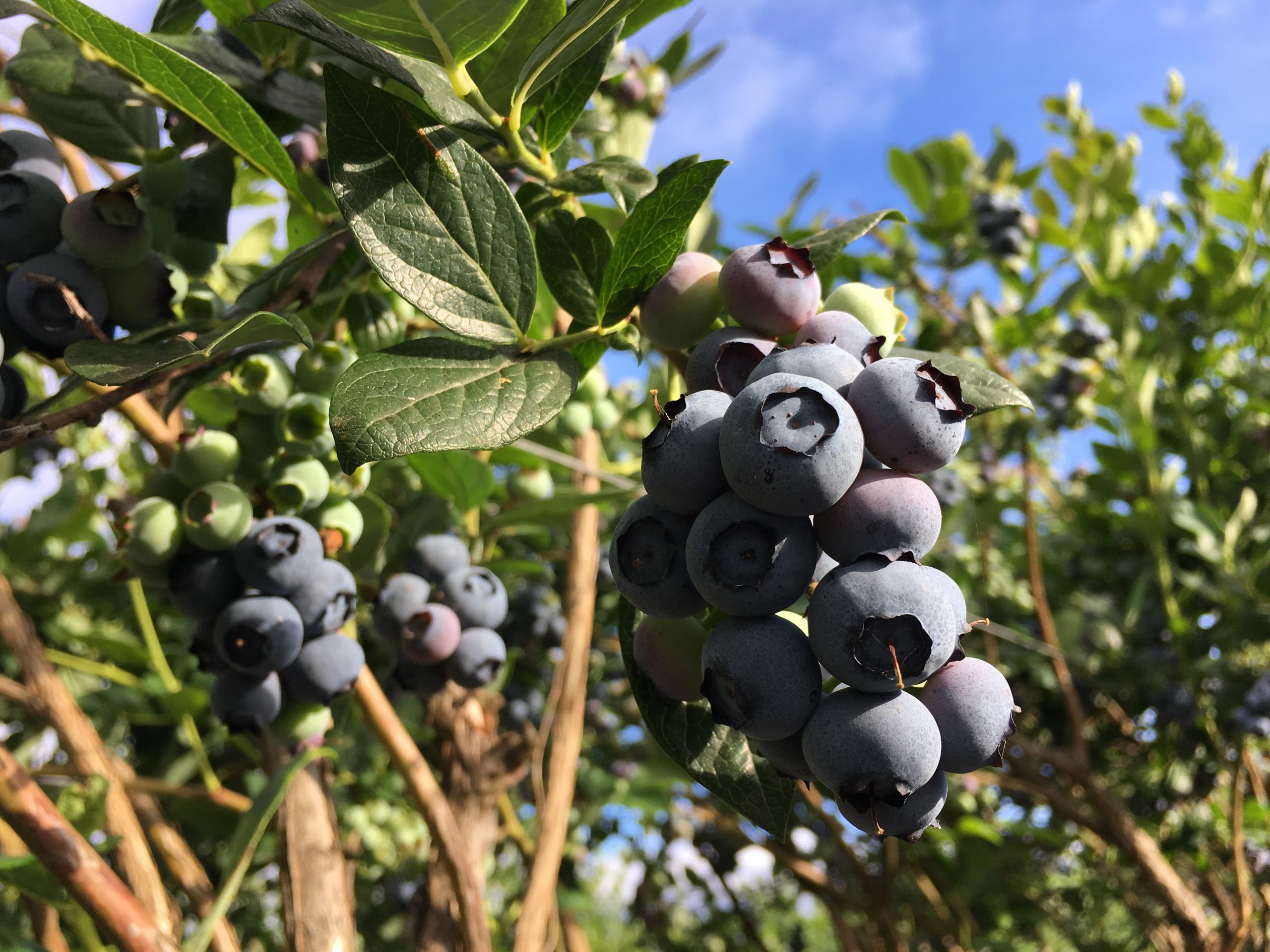
The blueberry, with its vibrant color and sweet-tart flavor, is a beloved fruit that has become a staple in many kitchens around the world. Whether enjoyed fresh off the bush or incorporated into various culinary creations, this small but mighty berry offers an array of health benefits and a rich history. In this case study, we will delve into the origin and evolution of blueberries, highlighting their journey from humble beginnings to becoming one of nature’s superfoods.
Blueberries are native to North America and have been growing wild for thousands of years. Native American tribes were the first to recognize their value as a food source and medicinal plant. They would often dry blueberries in the sun or smoke them for preservation purposes, using them throughout the year.
It wasn’t until the arrival of European settlers that blueberries gained popularity beyond indigenous communities. The settlers quickly discovered these tiny berries growing abundantly in forests and meadows and began incorporating them into their diet. Blueberries were used in pies, jams, sauces, and even brewed into tea.
Despite their growing popularity among early settlers, it took several centuries before blueberry cultivation became widespread. It was not until the 20th century that efforts were made to domesticate this wild fruit for commercial production.
One key figure responsible for advancing blueberry cultivation was Elizabeth White from New Jersey. In collaboration with botanist Frederick Coville from USDA (United States Department of Agriculture), White worked tirelessly to develop cultivated varieties that could be grown on a larger scale.
Their joint efforts resulted in successful hybridization experiments between wild species found along the East Coast and cultivated varieties brought over from Europe. These new hybrids combined desirable traits such as increased berry size, improved flavor profile, disease resistance, and adaptability to different climates.
In 1916, Coville identified three significant species of blueberries: lowbush (Vaccinium angustifolium), highbush (Vaccinium corymbosum), and rabbiteye (Vaccinium ashei). These three species, along with their subsequent cultivars, formed the foundation for modern blueberry production.
The first commercial blueberry crop was harvested in 1916 in Whitesbog, New Jersey. It marked the beginning of a new era for blueberries as a cultivated fruit. Over time, cultivation techniques continued to improve, leading to increased yields and better quality berries.
Blueberry cultivation spread across North America, with regions like Maine, Michigan, Oregon, and British Columbia becoming major producers. The introduction of mechanized harvesting methods further fueled the growth of the industry by reducing labor costs and increasing efficiency.
In recent years, there has been a surge in global demand for blueberries due to their numerous health benefits. Blueberries are rich in antioxidants, vitamins C and K, dietary fiber, and phytochemicals known as anthocyanins. These compounds contribute to their vibrant color and have been linked to various health benefits such as improved brain function and reduced risk of chronic diseases like heart disease and cancer.
Today’s consumers can enjoy fresh blueberries year-round thanks to advancements in storage techniques that allow them to be shipped globally without compromising their quality or nutritional value.
Alongside traditional consumption methods like eating them fresh or incorporating them into recipes for pies or muffins, blueberries have also found their way into a wide range of products. They can be found in cereals, yogurt toppings, smoothies, ice creams—the possibilities are endless!
As more research is conducted on the health benefits of blueberries continues worldwide recognition grows around this little berry’s potential superfood status. In response to this demand from both consumers and scientific communities alike breeders continue developing new varieties with enhanced taste profiles higher antioxidant levels longer shelf lives adaptability different climates among other traits all aimed at satisfying consumer needs while ensuring sustainability within the agriculture sector
In conclusion Blueberries have come a long way from their humble beginnings as a wild fruit. From the indigenous tribes who first recognized their value to the settlers who cultivated them, and the scientists and farmers who advanced their cultivation techniques, blueberries have evolved into one of nature’s greatest gifts. Their rich history, combined with their exceptional nutritional properties, makes them an essential addition to any healthy eating plan. So next time you enjoy a handful of these delicious berries or incorporate them into your favorite recipe, remember the journey they’ve taken to reach your plate.

Leave a Reply