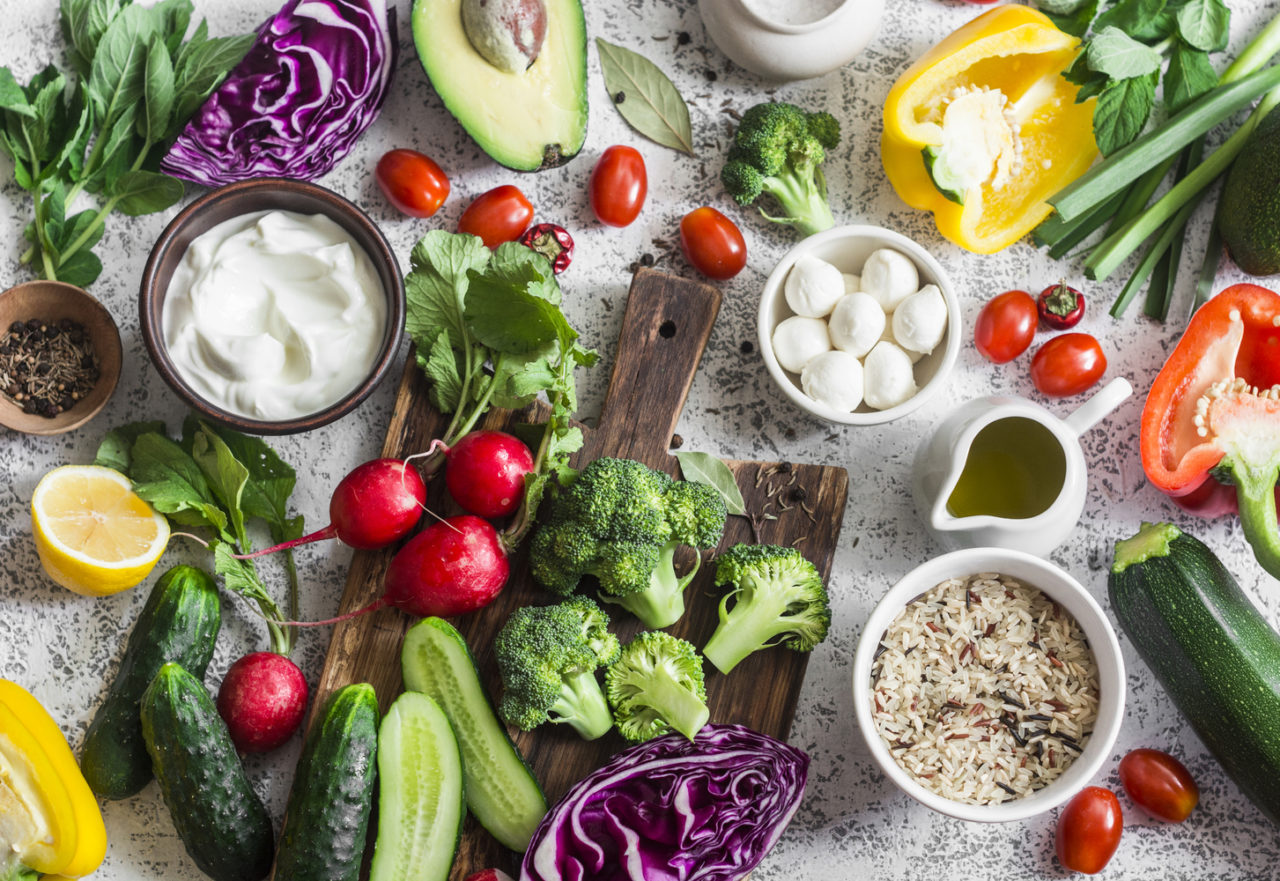
The Mediterranean diet is well-known for its numerous health benefits, including promoting heart health and reducing the risk of chronic diseases. But did you know that this diet rich in fruits, vegetables, whole grains, legumes, and healthy fats can also do wonders for your skin? Yes, it’s true! The Mediterranean diet not only nourishes your body from within but also helps maintain a healthy and radiant complexion.
One of the key components of the Mediterranean diet that contributes to skin health is its emphasis on consuming foods high in antioxidants. Antioxidants are powerful compounds that protect our cells from damage caused by free radicals. Free radicals are unstable molecules produced by various factors such as pollution, UV radiation, and unhealthy diets. When left unchecked, they can lead to premature aging and other skin problems like wrinkles and age spots.
Fruits and vegetables are abundant sources of antioxidants in the Mediterranean diet. Berries like blueberries, strawberries, and raspberries are packed with vitamin C and other antioxidants that help fight off free radicals while boosting collagen production – a protein responsible for maintaining skin elasticity. Leafy greens such as spinach and kale contain vitamins A and E along with minerals like selenium which promote healthy skin cell turnover.
Another essential part of the Mediterranean diet that promotes skin health is omega-3 fatty acids found abundantly in fatty fish like salmon, mackerel, sardines, and trout. Omega-3 fatty acids have anti-inflammatory properties that can help calm down inflammation associated with acne or other inflammatory skin conditions. They also play a crucial role in maintaining moisture levels within the skin barrier leading to smoother-looking skin.
Olive oil is another staple ingredient in the Mediterranean diet known for its many health benefits including skincare. Extra virgin olive oil contains high levels of monounsaturated fats which provide moisturizing effects when applied topically or consumed internally through food preparation. It also has antioxidant properties due to its content of polyphenols that protect against oxidative stress and promote healthier skin.
Nuts and seeds are also common in the Mediterranean diet and offer a variety of benefits for your skin. Almonds, for example, are rich in vitamin E – a potent antioxidant that protects against sun damage and helps repair damaged skin cells. Walnuts provide omega-3 fatty acids along with zinc, which aids in the healing process of wounds or acne breakouts. Additionally, flaxseeds contain lignans that have estrogen-like effects on the body, promoting smoother skin texture.
Lastly, hydration is crucial for maintaining healthy skin, and drinking plenty of water is emphasized in the Mediterranean diet. Staying hydrated helps flush out toxins from our bodies and keeps our skin plump and moisturized from within.
In conclusion, adopting a Mediterranean diet can do wonders not just for your overall health but also for your skin. By incorporating nutrient-rich foods like fruits, vegetables, whole grains, legumes, healthy fats like olive oil and nuts/seeds into your daily meals while staying well-hydrated will help nourish your skin from within resulting in a more radiant complexion. So why not give this delicious and nutritious diet a try? Your body – including your skin – will thank you!

Leave a Reply