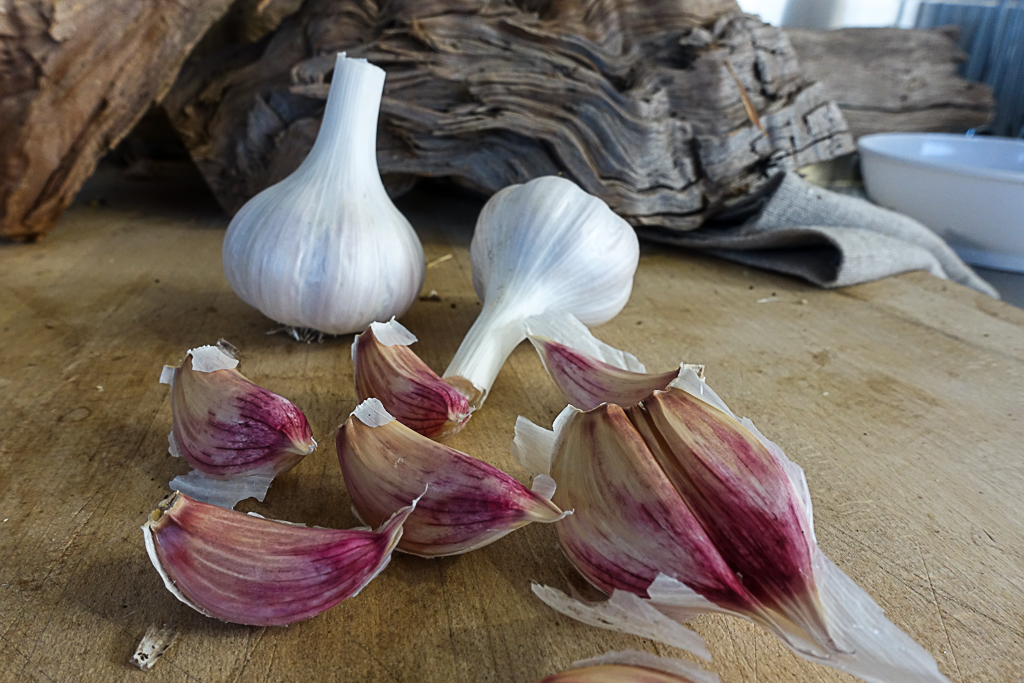
Creole Garlic: A Flavorful and Nutritious Addition to Your Healthy Diet
When it comes to adding a burst of flavor to your dishes, garlic is undoubtedly the go-to ingredient for many home cooks. But have you ever tried Creole garlic? This unique variety not only elevates the taste of your meals but also offers several health benefits. In this article, we will delve into the world of Creole garlic, exploring its origins, nutritional value, culinary uses, and tips for growing it in your own garden.
Origins and Characteristics
Creole garlic traces its roots back to Spanish explorers who brought garlic bulbs with them on their journeys across the Atlantic Ocean. Over time, these bulbs adapted to the local climate and soil conditions in Louisiana and other Gulf Coast regions of the United States. The result was a distinct variety known as Creole garlic.
What sets Creole garlic apart from other types is its mild yet complex flavor profile. It has a more subtle heat compared to varieties like California Late or Italian Purple. The cloves are typically smaller in size but pack an intense punch when it comes to flavor.
Nutritional Value
Aside from being a delicious addition to your meals, Creole garlic also offers numerous health benefits due to its rich nutritional content. It is low in calories but high in vitamins and minerals such as vitamin C, vitamin B6, manganese, selenium, and fiber.
One notable component found in Creole garlic is allicin—a compound responsible for its pungent smell and potential health-promoting properties. Allicin has been shown to have antimicrobial properties that can help fight off bacteria and viruses while also supporting heart health by reducing cholesterol levels.
Culinary Uses
Creole garlic’s unique flavor makes it an excellent choice for various culinary applications. Its mildness allows it to blend well with both bold spices and delicate herbs without overpowering other ingredients.
Roasting whole heads of Creole garlic brings out its sweet and nutty flavors, creating a delicious spread that can be smeared onto bread or mixed into mashed potatoes. Sautéing minced cloves in olive oil provides the perfect base for pasta sauces, stir-fries, or even roasted vegetables.
For those who enjoy pickling, Creole garlic is an ideal option. Its smaller size allows it to fit perfectly into jars, while its flavor intensifies during the pickling process. You can add it to salads, sandwiches, or charcuterie boards for an extra zing of flavor.
Growing Your Own Creole Garlic
If you’re intrigued by the idea of having your own supply of fresh Creole garlic at home, you’ll be pleased to know that it’s relatively easy to grow. Here are some tips to get you started:
1. Choose the right variety: Look for reputable seed suppliers who offer certified Creole garlic bulbs specifically suited for your growing zone.
2. Prepare the soil: Creole garlic prefers loose and well-draining soil with a pH level between 6 and 7. Amend your garden bed with compost or organic matter before planting.
3. Planting time: In most regions, fall is the best time to plant Creole garlic as it requires a cold period for proper bulb development.
4. Planting depth and spacing: Plant each clove about two inches deep, pointed side up, with six inches of space between each clove.
5. Watering and maintenance: Keep the soil consistently moist but not waterlogged throughout the growing season. Mulching around plants will help retain moisture and suppress weeds.
6. Harvesting: Once the lower leaves turn yellow-brown (usually in early summer), gently loosen the soil around each bulb using a small garden fork before lifting them out completely.
7. Curing and storage: After harvesting your Creole garlic bulbs, allow them to cure in a warm and dry place for about two weeks. Once dry, store them in a cool and dark location to extend their shelf life.
By following these simple steps, you can enjoy the satisfaction of growing your own Creole garlic while adding a fresh burst of flavor to your culinary creations.
In conclusion, Creole garlic is not only a delicious ingredient that elevates the taste of your dishes but also offers several health benefits. Its mild yet complex flavor profile makes it versatile in various recipes, and its nutritional content provides valuable vitamins and minerals. Whether you decide to buy it from local farmers or grow it yourself, incorporating Creole garlic into your healthy diet is sure to enhance both your cooking and overall well-being.

Leave a Reply