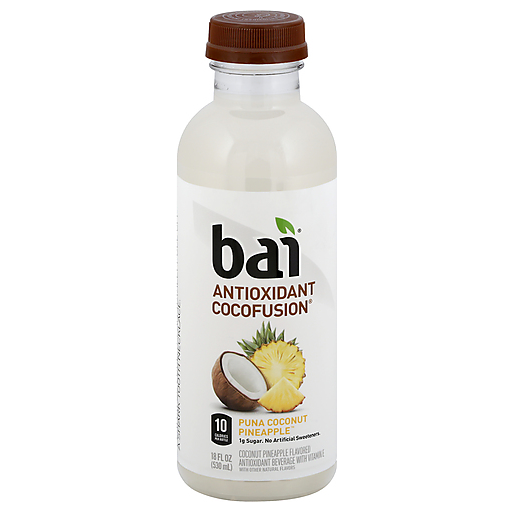
Pineapple Antioxidants: The Tropical Powerhouse for Your Health
When it comes to healthy eating, we often hear about the importance of antioxidants. These powerful compounds have been praised for their ability to protect our cells from damage caused by harmful molecules called free radicals. While many fruits and vegetables are rich in antioxidants, one tropical fruit stands out from the rest – pineapple.
Pineapple is not only a delicious and refreshing treat but also a nutritional powerhouse. It is packed with essential vitamins, minerals, and enzymes that contribute to overall well-being. But what makes this tropical fruit truly exceptional is its high concentration of antioxidants.
One of the most potent antioxidants found in pineapple is vitamin C. Just one cup of fresh pineapple chunks provides more than 100% of the recommended daily intake of this vital nutrient. Vitamin C plays a crucial role in strengthening our immune system, supporting collagen production for healthy skin, and acts as an antioxidant to fight oxidative stress.
In addition to vitamin C, pineapples contain other important antioxidants such as beta-carotene and various flavonoids. Beta-carotene converts into vitamin A in our bodies and promotes good vision while also boosting immune function. Flavonoids act as powerful anti-inflammatory agents and have been linked to reducing the risk of chronic diseases like heart disease and certain cancers.
But what sets pineapple apart from other fruits is its unique combination of enzymes known as bromelain. Bromelain has been widely studied for its numerous health benefits, including its anti-inflammatory properties that aid digestion and reduce swelling or pain associated with arthritis or injuries.
Moreover, bromelain has shown promising effects on respiratory conditions like sinusitis and bronchitis by thinning mucus secretions and reducing inflammation in airways. This enzyme has even gained recognition for potentially helping manage digestive disorders like irritable bowel syndrome (IBS) due to its ability to break down proteins effectively.
Research suggests that regular consumption of pineapple and its rich antioxidants may contribute to a reduced risk of chronic diseases. Studies have shown that diets high in antioxidants are associated with lower rates of heart disease, certain cancers, and even age-related macular degeneration.
Incorporating pineapple into your diet is easy. Enjoy it as a standalone snack or add it to fruit salads for a burst of tropical flavor. Pineapple can also be used in savory dishes such as stir-fries or grilled alongside meats for a delicious twist. For those with a sweet tooth, pineapples make an excellent addition to smoothies, desserts like fruit tarts, or even homemade popsicles.
However you choose to enjoy this tropical fruit, remember that moderation is key. While pineapple offers numerous health benefits, it is still important to maintain a balanced diet that includes other fruits and vegetables for optimal nutrition.
In conclusion, pineapples are more than just a tasty treat – they are an incredible source of antioxidants that support overall health and well-being. From vitamin C to bromelain enzymes, these tropical gems offer numerous benefits ranging from immune system support and anti-inflammatory effects to digestive aid and potential disease prevention. So next time you’re looking for a refreshing snack or culinary inspiration, reach for some juicy pineapple chunks and savor the goodness they bring to your plate!

Leave a Reply