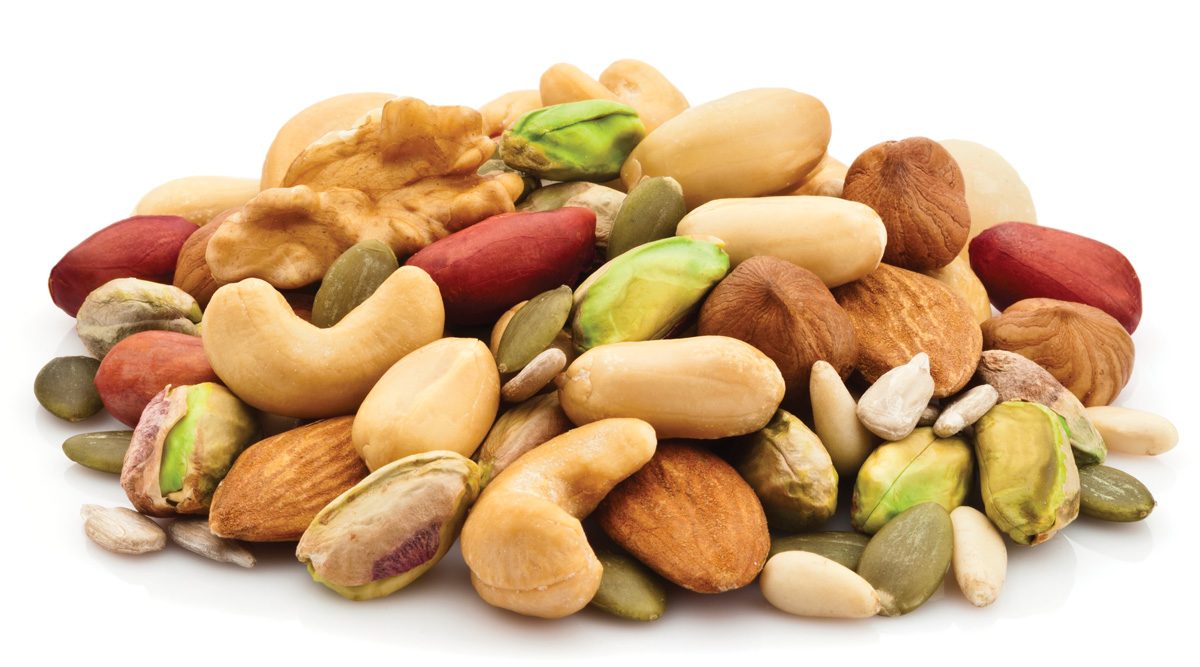
Nuts and seeds are essential components of a balanced plant-based diet. They not only provide a great source of healthy fats but also offer an array of vitamins, minerals, and antioxidants. Incorporating nuts and seeds into your meals can help enhance the nutritional value of your plant-focused eating plan.
Firstly, let’s consider the benefits of nuts in a plant-based diet. Nuts such as almonds, walnuts, and cashews are rich in heart-healthy monounsaturated fats which can help lower bad cholesterol levels. They also contain protein, fiber, vitamin E, magnesium, and potassium. These nutrient powerhouses can support brain health, regulate blood sugar levels, promote satiety, and contribute to overall cardiovascular wellness.
Seeds are equally important in a plant-based diet due to their high content of omega-3 fatty acids. Flaxseeds and chia seeds are particularly rich in these essential fats that play a crucial role in reducing inflammation in the body. Additionally, these tiny wonders offer an abundance of fiber which aids digestion and helps maintain bowel regularity.
Fermented vegetables are another valuable addition to a plant-based lifestyle for gut health benefits. Fermentation is the process through which natural bacteria break down sugars present in vegetables into lactic acid—this creates an environment where beneficial probiotic bacteria thrive. Consuming fermented foods like sauerkraut or kimchi introduces these live cultures into our gut microbiome which can improve digestion and boost immune function.
Plant-powered hydration is often overlooked but plays an important part in maintaining overall health on a plant-focused eating plan. Infused water recipes can be refreshing alternatives to sugary drinks while providing additional nutrients from fruits or herbs used for flavoring. For example, cucumber-infused water offers hydration along with anti-inflammatory properties while lemon-infused water provides vitamin C for immune support.
Antioxidants are vital compounds found abundantly in plants that protect our bodies against oxidative stress caused by free radicals. A plant-based diet naturally provides a wide range of antioxidants found in fruits, vegetables, and whole grains. These powerful substances contribute to reducing the risk of chronic diseases such as heart disease, cancer, and neurodegenerative conditions.
Lastly, mushrooms offer a unique nutritional profile for plant eaters. They are low in calories but rich in vitamins B and D along with minerals like selenium and copper. Different types of mushrooms have varying health benefits – shiitake mushrooms are known for their immune-boosting properties while portobello mushrooms provide a good source of iron.
Understanding the importance of fiber intake is crucial for anyone following a well-rounded plant-based diet. Fiber not only promotes digestion but also helps control blood sugar levels and aids weight management. It can be obtained from various sources such as fruits, vegetables, legumes, whole grains, and nuts or seeds.
In conclusion, incorporating nuts and seeds into your meals provides essential nutrients for a balanced plant-based diet. Fermented vegetables enhance gut health through probiotic bacteria while infused water recipes offer hydration with added flavor and nutrients. Antioxidants play a key role in promoting overall health within a plant-focused eating plan. Exploring different types of mushrooms can add variety to your nutrition while fulfilling specific dietary needs. Lastly, understanding the importance of fiber intake ensures optimal digestion and overall wellness on your healthy journey towards embracing a plant-based lifestyle

Leave a Reply