Introduction:
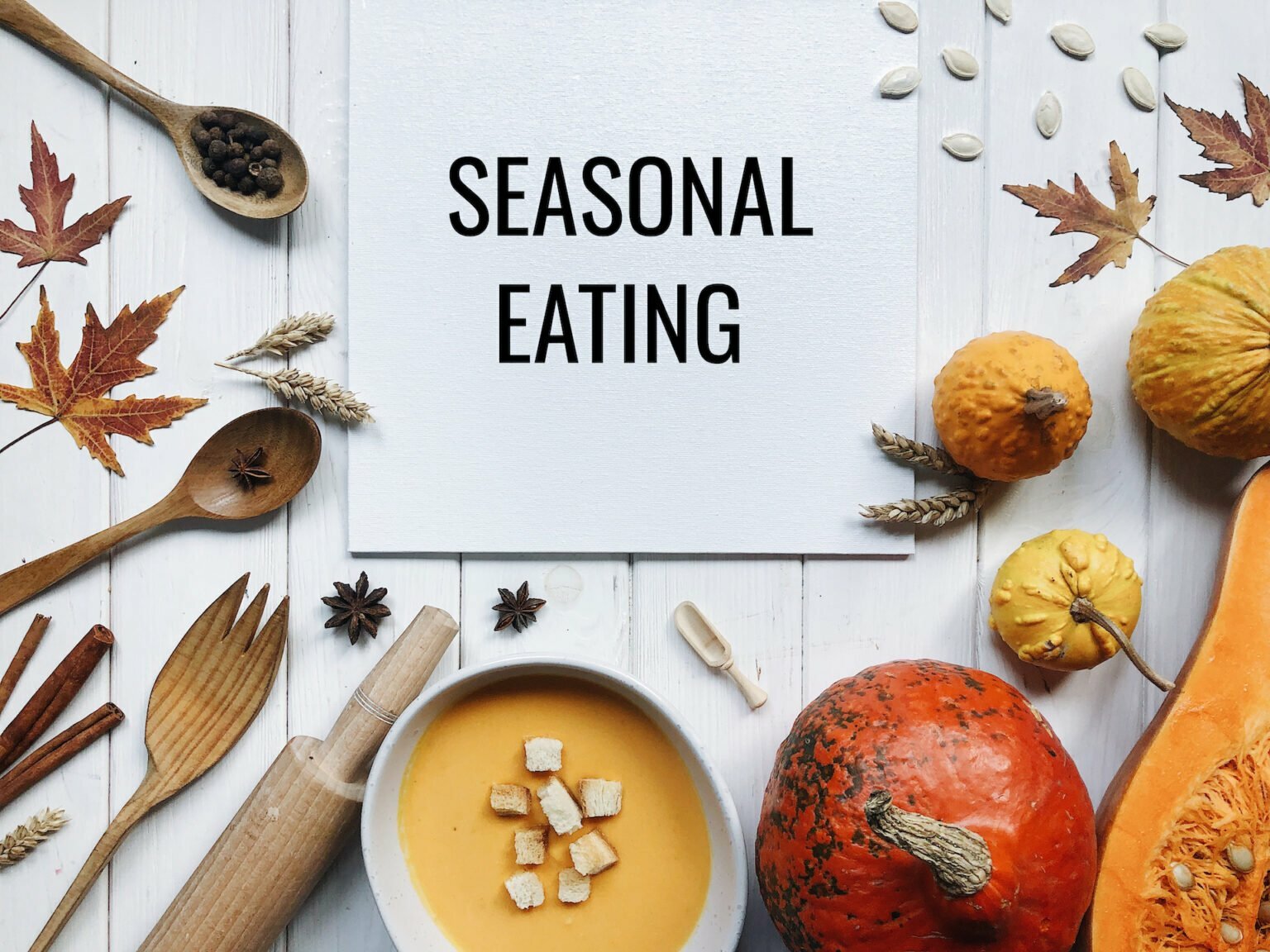
Eating seasonally is not only beneficial for our physical health but also has a significant impact on our mental well-being. By aligning our diet with the natural rhythms of the seasons, we can nourish both our bodies and minds. In this panel discussion, we will explore various aspects of seasonal eating and its numerous advantages.
1. The Benefits of Eating Seasonally for Mental Health:
When we consume foods that are in season, they tend to be fresher and more nutrient-dense. These nutrients play a vital role in supporting brain health and neurotransmitter function, ultimately improving mood and reducing symptoms of depression or anxiety.
2. Seasonal Eating and Its Impact on Gut Health:
Seasonal produce is often harvested at its peak ripeness, which means it contains higher levels of vitamins, minerals, and fiber compared to off-season counterparts. This nutrient-rich food supports a healthy gut microbiome, promoting good digestion, boosting immunity, and reducing the risk of chronic diseases.
3. Lesser-Known Seasonal Fruits to Incorporate into Your Diet:
While many people are familiar with popular seasonal fruits like berries in the summer or apples in the fall, there are several lesser-known options available throughout the year that provide unique flavors and nutritional benefits. For example, persimmons in winter or passion fruit in spring can add variety to your diet while providing essential vitamins and antioxidants.
4. Seasonal Eating and Its Connection to Sustainable Agriculture:
By consuming foods that are grown locally during their respective seasons, we reduce reliance on long-distance transportation methods that contribute to carbon emissions. Choosing local produce also supports sustainable farming practices such as crop rotation or regenerative agriculture techniques that help preserve soil health.
5. How Seasonal Eating Can Support Local Farmers and Communities:
When we prioritize seasonal ingredients sourced from local farmers’ markets or community-supported agriculture (CSA) programs, we directly support small-scale farmers who rely on these sales for their livelihood. This sustains local economies, encourages biodiversity, and fosters strong community connections.
6. The Role of Seasonal Eating in Reducing Food Waste:
When we eat seasonally, the produce is more abundant and readily available. This reduces the likelihood of excess food being wasted or discarded due to spoilage. Additionally, by using all parts of seasonal vegetables, such as utilizing carrot tops or beet greens in recipes, we minimize food waste even further.
7. Seasonal Herbs and Spices for Boosting Immunity:
Certain herbs and spices are naturally more abundant during specific seasons and offer unique immune-boosting properties. For example, garlic and ginger in winter or turmeric and cinnamon in autumn can enhance our body’s defense mechanisms against common illnesses.
8. The Impact of Seasonal Eating on the Environment:
Choosing seasonal foods helps reduce the carbon footprint associated with long-distance transportation while promoting sustainable agricultural practices that prioritize soil health, water conservation, and biodiversity preservation. By embracing seasonality, we contribute to a healthier planet for future generations.
9. Seasonal Vegetables That Are Often Overlooked but Highly Nutritious:
While many people focus on popular seasonal vegetables like tomatoes or cucumbers during summer months, there are numerous lesser-known options that offer exceptional nutritional value throughout the year. Examples include Brussels sprouts in winter or Swiss chard in spring – packed with vitamins, minerals, fiber, and antioxidants.
10. Seasonal Eating for Weight Management and Healthy Metabolism:
Seasonal eating emphasizes consuming fresh whole foods rather than processed options high in added sugars or unhealthy fats often found outside their natural growing seasons. This approach supports a balanced diet rich in nutrients while naturally regulating calorie intake for weight management goals.
Conclusion:
Incorporating seasonal eating into our lifestyle not only benefits our physical health but also nurtures our mental well-being while supporting sustainable agriculture practices. By choosing fresh fruits and vegetables that align with the seasons, we can enjoy diverse flavors, maximize nutritional benefits, and reduce our impact on the environment. So, let’s embrace seasonality and savor the natural abundance it offers for a healthier and more mindful way of eating.

Leave a Reply