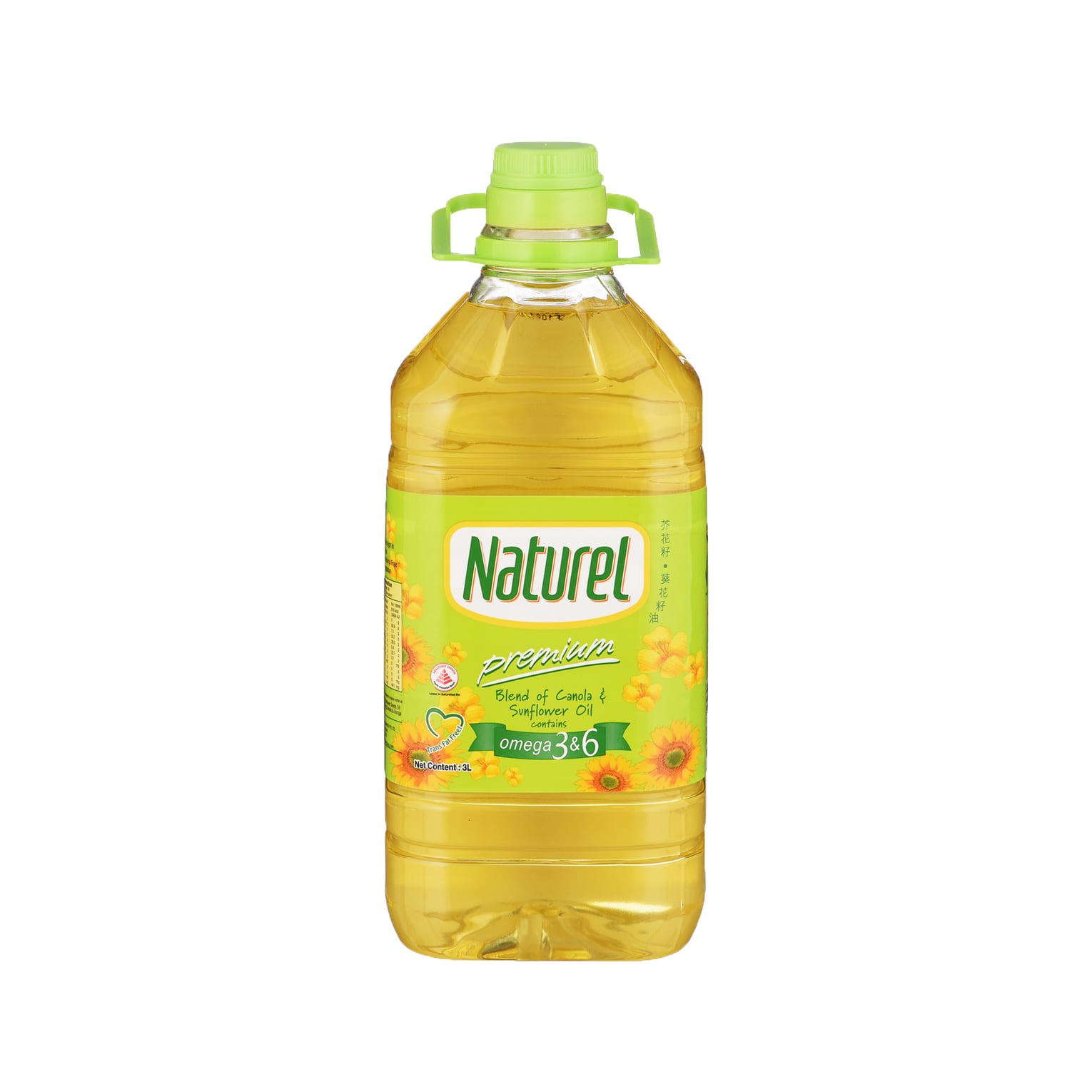
Sunflower Oil: A Versatile and Nutritious Cooking Companion
When it comes to healthy cooking oils, sunflower oil is often a top choice for many households. Derived from the seeds of the sunflower plant (Helianthus annuus), this golden-hued oil has become increasingly popular due to its numerous health benefits and versatility in various culinary applications.
In addition to its mild flavor, sunflower oil is rich in essential fatty acids, antioxidants, and other vital nutrients that can promote overall well-being. It contains a balanced ratio of polyunsaturated fats (PUFAs) to monounsaturated fats (MUFAs), making it an ideal option for individuals seeking heart-healthy alternatives while cooking their favorite meals.
Nutritional Profile:
Sunflower oil is packed with essential nutrients that contribute to overall health. A typical serving size of one tablespoon (13.6 grams) provides approximately 120 calories and contains:
– Total fat: 14 grams
– Saturated fat: 1 gram
– Polyunsaturated fat: 9 grams
– Monounsaturated fat: 3 grams
– Omega-6 fatty acids: 10 grams
– Vitamin E: Approximately 5% of the daily recommended intake
Health Benefits:
1. Heart Health:
The high content of unsaturated fats in sunflower oil helps maintain healthy cholesterol levels by reducing low-density lipoprotein (LDL) or “bad” cholesterol levels in the blood. Replacing saturated fats with healthier options like sunflower oil may lower the risk of heart disease and improve cardiovascular health.
2. Antioxidant Properties:
Packed with vitamin E, an essential antioxidant, sunflower oil helps protect cells from damage caused by harmful free radicals. These free radicals are generated through normal bodily processes but can also be introduced by factors such as pollution or smoking.
3. Anti-Inflammatory Effects:
The presence of omega-6 fatty acids in sunflower oil contributes to its anti-inflammatory properties. These fatty acids help regulate the body’s inflammatory response and may benefit individuals with conditions such as arthritis or asthma.
4. Skin Health:
The antioxidant properties of sunflower oil extend beyond internal health benefits. When applied topically, it can assist in maintaining skin hydration, reducing inflammation, and promoting healthy skin cells.
Culinary Uses:
Sunflower oil’s versatility in cooking makes it a staple ingredient in kitchens worldwide. Its mild flavor allows it to blend seamlessly into various dishes without overpowering other ingredients. Here are some popular culinary applications for this nutritious oil:
1. Frying and Sautéing:
Due to its high smoke point (approximately 450°F or 232°C), sunflower oil is an excellent choice for frying and sautéing at high temperatures while retaining its nutritional value. Its neutral taste ensures that the natural flavors of the food shine through without any unwanted aftertaste.
2. Baking:
Sunflower oil can be used as a substitute for butter or other oils when baking cakes, cookies, muffins, and breads. It adds moisture to baked goods while providing a light texture.
3. Salad Dressings and Marinades:
When combined with vinegar or citrus juice along with herbs and spices, sunflower oil creates delicious homemade salad dressings or marinades that enhance the taste of fresh vegetables and meats.
4. Mayonnaise Alternative:
For those seeking healthier options than traditional store-bought mayonnaise, sunflower oil can serve as a base ingredient when making homemade mayo recipes at home.
Choosing the Right Sunflower Oil:
When purchasing sunflower oil, it is essential to choose high-quality products that have been cold-pressed rather than refined using heat or chemicals. Cold-pressed oils retain more of their natural nutrients due to minimal processing methods.
Additionally, opt for organic varieties whenever possible to ensure they are free from pesticides or genetically modified organisms (GMOs). Look for bottles labeled “high-oleic” as these contain a higher percentage of monounsaturated fats and are more heat-stable.
Proper Storage and Shelf Life:
To maintain the freshness and quality of sunflower oil, it is important to store it correctly. Keep the oil in a cool, dark place away from direct sunlight or heat sources. Exposure to light can lead to oxidation, reducing its nutritional value over time.
Sunflower oil has a relatively long shelf life compared to other cooking oils. Unopened bottles can last up to two years if stored properly, while opened bottles should be consumed within six months for optimal flavor and quality.
Conclusion:
With its mild taste, numerous health benefits, and versatility in cooking applications, sunflower oil has become a popular choice among health-conscious individuals looking for nutritious alternatives in their kitchens. Its heart-healthy fatty acid profile, antioxidant properties, and anti-inflammatory effects contribute to overall well-being when incorporated into a balanced diet.
Whether you’re frying crispy golden foods or baking mouthwatering treats or even preparing homemade salad dressings, sunflower oil’s adaptability makes it an excellent addition to your culinary repertoire. So why not give this golden elixir a try and enjoy the benefits it brings both inside and outside the kitchen?

Leave a Reply