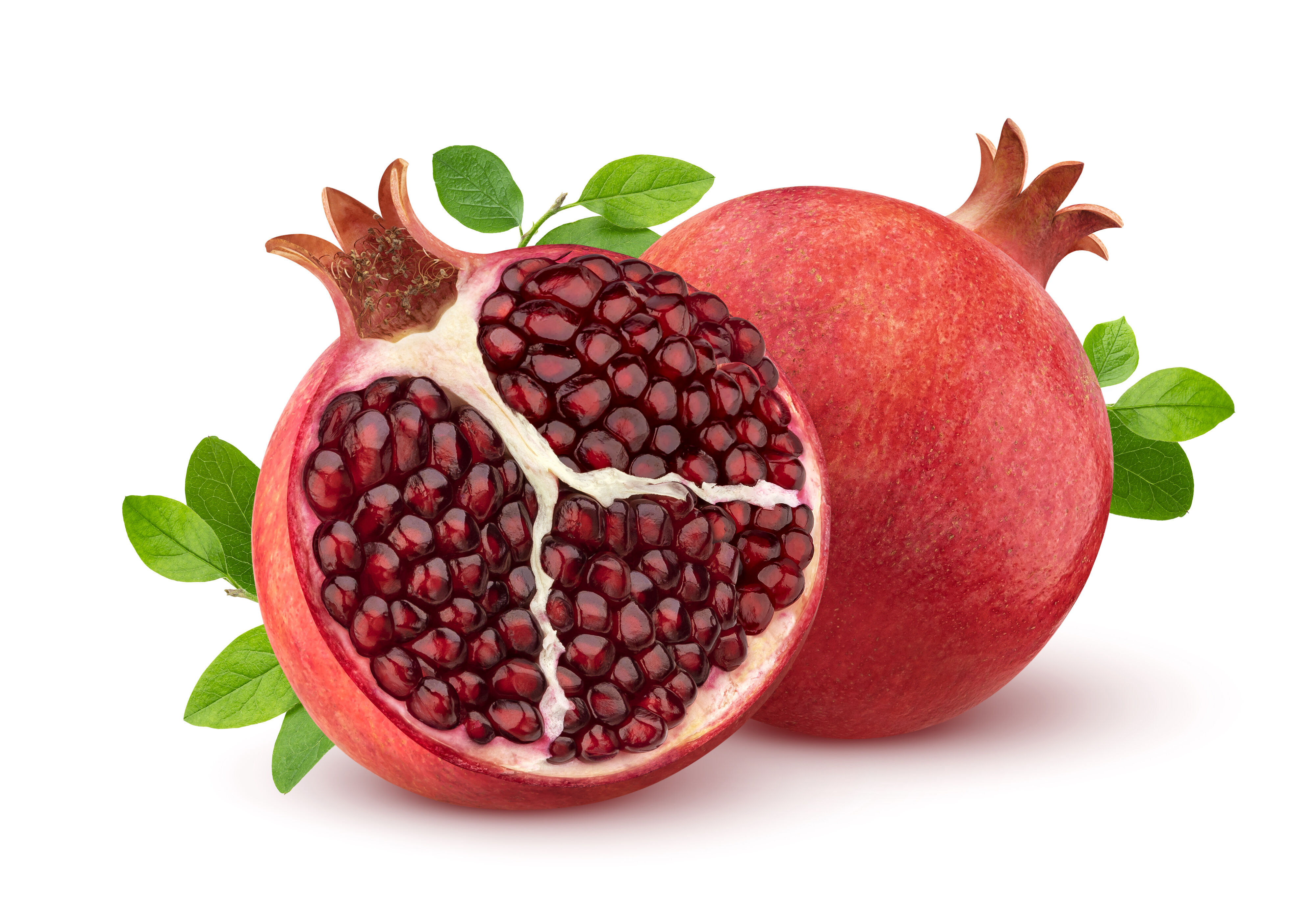
Pomegranates are not only delicious but also packed with various health benefits. While most people are familiar with the juicy arils inside, there are many other parts of the pomegranate that offer unique advantages. From the peel to the flower extract, let’s explore some lesser-known aspects of this incredible fruit.
1. Pomegranate Peel Benefits:
The peel of a pomegranate contains potent antioxidants, including flavonoids and polyphenols. These compounds help fight inflammation and protect against chronic diseases like heart disease and cancer. Additionally, studies have shown that pomegranate peel extract may have antimicrobial properties and could be beneficial for oral health when used as a natural mouthwash or toothpaste.
2. Lesser-Known Pomegranate Varieties:
While most people are familiar with the popular “Wonderful” variety, there is an array of lesser-known pomegranate varieties worth exploring. For example, “Salavatski” is a large-fruited variety known for its sweet-tart flavor. “Haku Botan” from Japan has pale pink arils and a delicate taste reminiscent of rose water. By trying different varieties, you can discover new flavors and textures in your favorite fruit.
3. Pomegranate Leaf Tea:
Apart from its fruits, pomegranate leaves also offer health benefits when brewed into tea. Packed with antioxidants like catechins and tannins, pomegranate leaf tea may help lower blood pressure levels and reduce oxidative stress in the body. It has a mild flavor similar to green tea but without caffeine.
4. Pomegranate Juice and Blood Pressure:
Regular consumption of freshly squeezed pomegranate juice has been linked to improvements in blood pressure levels due to its high concentration of polyphenols called punicalagins. These compounds promote nitric oxide production in the body, which helps relax blood vessels and lower blood pressure. Including a glass of pomegranate juice in your daily routine may have long-term cardiovascular benefits.
5. Pomegranate Molasses in Cooking:
Pomegranate molasses, a thick syrup made from concentrated pomegranate juice, adds a tangy and slightly sweet flavor to various dishes. This versatile ingredient is commonly used in Middle Eastern cuisine as a marinade or glaze for meats, a dressing for salads, or a topping for desserts. It not only enhances the taste but also provides additional antioxidants and micronutrients.
6. Pomegranate Seed Oil for Skincare:
Pomegranate seed oil has gained popularity in the beauty industry due to its potential benefits for the skin. Rich in antioxidants and essential fatty acids like punicic acid, this oil helps moisturize the skin, promote collagen production, and reduce inflammation. It can be applied topically as part of your skincare routine to improve overall skin health.
7. Pomegranate Vinegar as a Condiment:
Pomegranate vinegar is an excellent alternative to traditional vinegars like balsamic or apple cider vinegar. Made by fermenting pomegranate juice, it offers a unique fruity flavor that pairs well with salads, roasted vegetables, and marinades. Additionally, its acidity aids digestion and may even support weight loss efforts when incorporated into a balanced diet.
8. Pomegranate Flower Extract and Its Uses:
The beautiful flowers of the pomegranate tree are not just visually appealing; they also have medicinal properties. Packed with antioxidants known as anthocyanins and tannins, pomegranate flower extract exhibits anti-inflammatory effects that may benefit conditions like arthritis or digestive disorders when consumed as tea or taken in supplement form.
9. Pomegranate Rind Powder for Digestion:
Dried and ground pomegranate rind can be used as a natural remedy for digestive issues like diarrhea, bloating, and indigestion. The rind contains high amounts of tannins that have astringent properties and can help soothe the gastrointestinal tract. Mixing pomegranate rind powder with water or adding it to herbal teas may provide relief from these common ailments.
10. Pomegranate Root Benefits:
Pomegranate root has been used in traditional medicine for its potential anti-inflammatory and antimicrobial properties. While more research is needed to fully understand its benefits, some studies suggest that pomegranate root extract may have a positive impact on oral health by reducing plaque formation and gum inflammation.
In conclusion, the various parts of the pomegranate offer numerous health benefits beyond just the juicy arils we typically consume. From the peel to the flower extract, each component provides unique advantages worth exploring. Whether you’re incorporating pomegranates into your cooking or skincare routine or using different parts of this fruit for their medicinal properties, there are countless ways to enjoy and harness their nutritional value. So why not delve deeper into the world of pomegranates and discover all they have to offer?

Leave a Reply