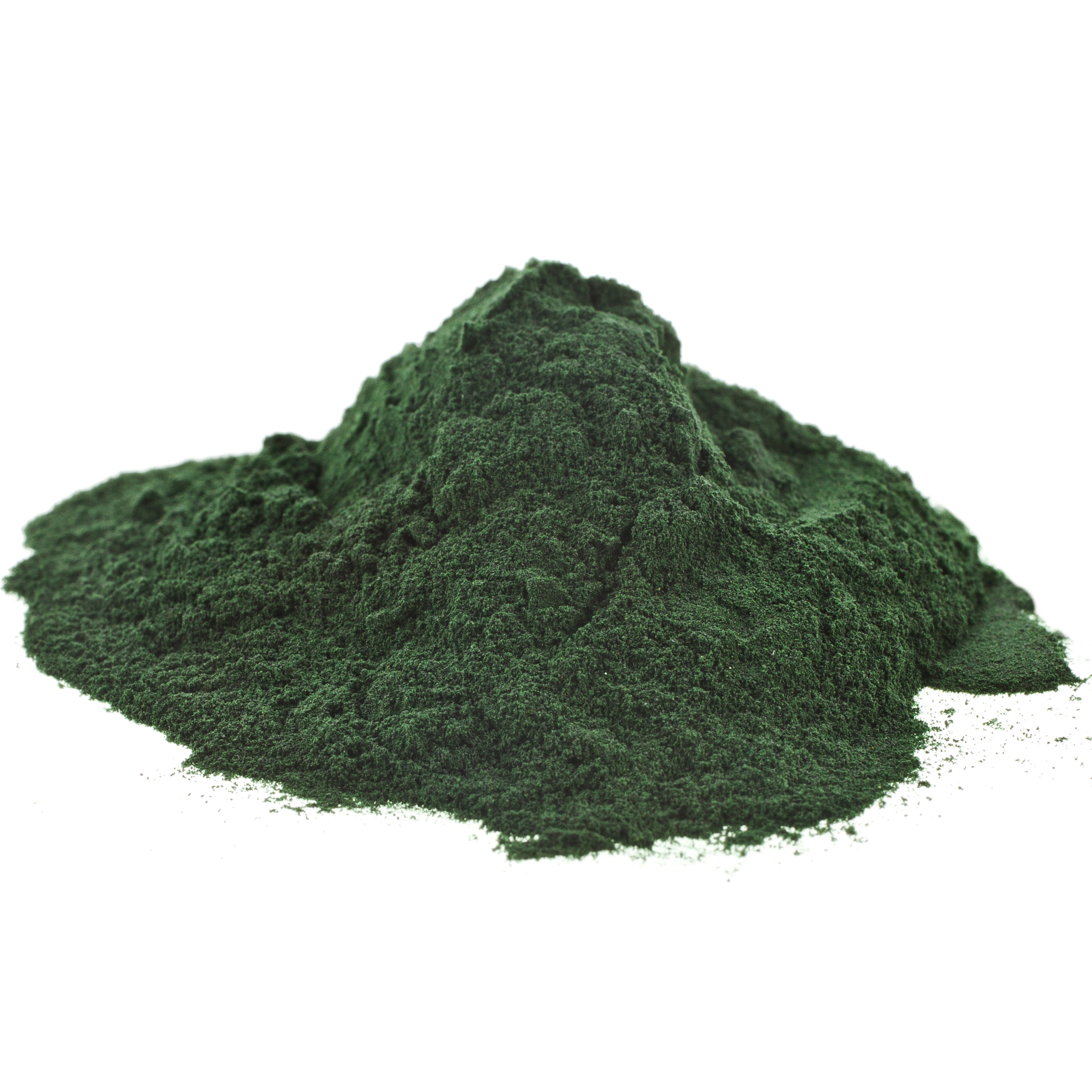
Spirulina: The Nutritional Powerhouse
In recent years, the search for alternative sources of protein has gained significant momentum in the health and wellness industry. As more people turn to plant-based diets or seek sustainable food options, one superfood has emerged as a frontrunner – spirulina. This blue-green algae, known for its vibrant color and impressive nutritional profile, is not only rich in protein but also offers an array of other health benefits. In this article, we will explore the wonders of spirulina as a source of protein and delve into its potential impact on our overall well-being.
What is Spirulina?
Spirulina is a type of microscopic cyanobacteria that grows in both fresh and saltwater environments. It has been consumed by various cultures throughout history, including ancient Aztecs who harvested it from Lake Texcoco in Mexico. Today, spirulina is cultivated commercially worldwide due to its exceptional nutrient content.
Protein Content
When it comes to protein content, spirulina stands out among other plant-based foods. It boasts an impressive protein density with about 60-70% of its dry weight consisting of proteins (1). This makes it one of the richest sources of plant-based proteins available.
Notably, spirulina contains all essential amino acids required by our bodies for optimal functioning (2). These amino acids are often referred to as “building blocks” because they play vital roles in muscle repair and growth, hormone synthesis, immune function, and numerous other biological processes.
Comparing Protein Sources
To put things into perspective, let’s compare the protein content found in common dietary choices:
1. Animal Proteins: While animal products like meat and dairy are traditionally considered complete proteins containing all essential amino acids needed by humans (3), they come with certain drawbacks such as high saturated fat levels and potential environmental concerns.
2. Plant Proteins: Most plant-based protein sources, such as legumes and grains, are not complete proteins individually. However, by combining different plant protein sources throughout the day, individuals can easily obtain all essential amino acids (4). Nevertheless, some plant proteins may be lower in certain amino acids compared to others.
3. Spirulina: As mentioned earlier, spirulina contains all essential amino acids required by our bodies. Its protein content is comparable to animal products like meat and eggs while offering additional nutritional benefits without the drawbacks associated with consuming animal-based foods.
Health Benefits of Spirulina
Besides its high protein content and amino acid profile, spirulina offers various health benefits due to its rich nutrient composition:
1. Antioxidant Properties: Spirulina is packed with antioxidants that help combat oxidative stress and protect our cells from damage caused by harmful free radicals (5).
2. Anti-inflammatory Effects: Studies have shown that spirulina possesses potent anti-inflammatory properties that may aid in reducing chronic inflammation in the body (6). Chronic inflammation has been linked to numerous diseases such as heart disease, diabetes, and certain types of cancer.
3. Immune Support: The blue pigment found in spirulina called phycocyanin has been shown to enhance immune function by stimulating the production of white blood cells (7). These cells play a crucial role in protecting our bodies against infections and foreign invaders.
4. Heart Health: Research suggests that spirulina may help lower cholesterol levels and reduce blood pressure (8). High cholesterol levels and hypertension are major risk factors for cardiovascular diseases.
Incorporating Spirulina into Your Diet
Adding spirulina to your diet is relatively simple. It is available in various forms including powder, tablets or capsules which can be easily incorporated into your daily routine.
Here are a few ideas on how you can include this nutritional powerhouse into your meals:
1. Smoothies: Blend a teaspoon or two of spirulina powder into your favorite smoothie recipe for an added protein boost.
2. Energy Balls: Combine dates, nuts, and a tablespoon of spirulina powder to create healthy and nutritious energy balls.
3. Salad Dressing: Mix a teaspoon of spirulina powder with olive oil, lemon juice, and your preferred seasonings to create a vibrant green salad dressing.
4. Baked Goods: Incorporate spirulina powder into baked goods such as muffins or pancakes for an extra nutrient punch.
Safety Considerations
While spirulina is generally safe for consumption, it is essential to purchase high-quality products from reputable sources to ensure purity and avoid potential contamination. Additionally, individuals with specific health conditions or those taking certain medications should consult their healthcare provider before adding any new supplements or dietary changes.
Conclusion
Spirulina offers a remarkable nutritional profile that makes it an excellent plant-based protein source for individuals following various dietary preferences. With its abundant protein content and wide-ranging health benefits, this blue-green algae has gained recognition as a superfood in the wellness community. Whether you’re looking to improve muscle recovery after workouts or seeking sustainable food options, incorporating spirulina into your diet can be a smart choice towards achieving optimal health and well-being.

Leave a Reply