Gut health and digestion are essential aspects of overall well-being and can impact various aspects of our lives, from energy levels to mood. Maintaining a healthy gut is crucial for proper digestion, nutrient absorption, and immune system function. Here are the top 10 tips to improve your gut health and promote optimal digestion.
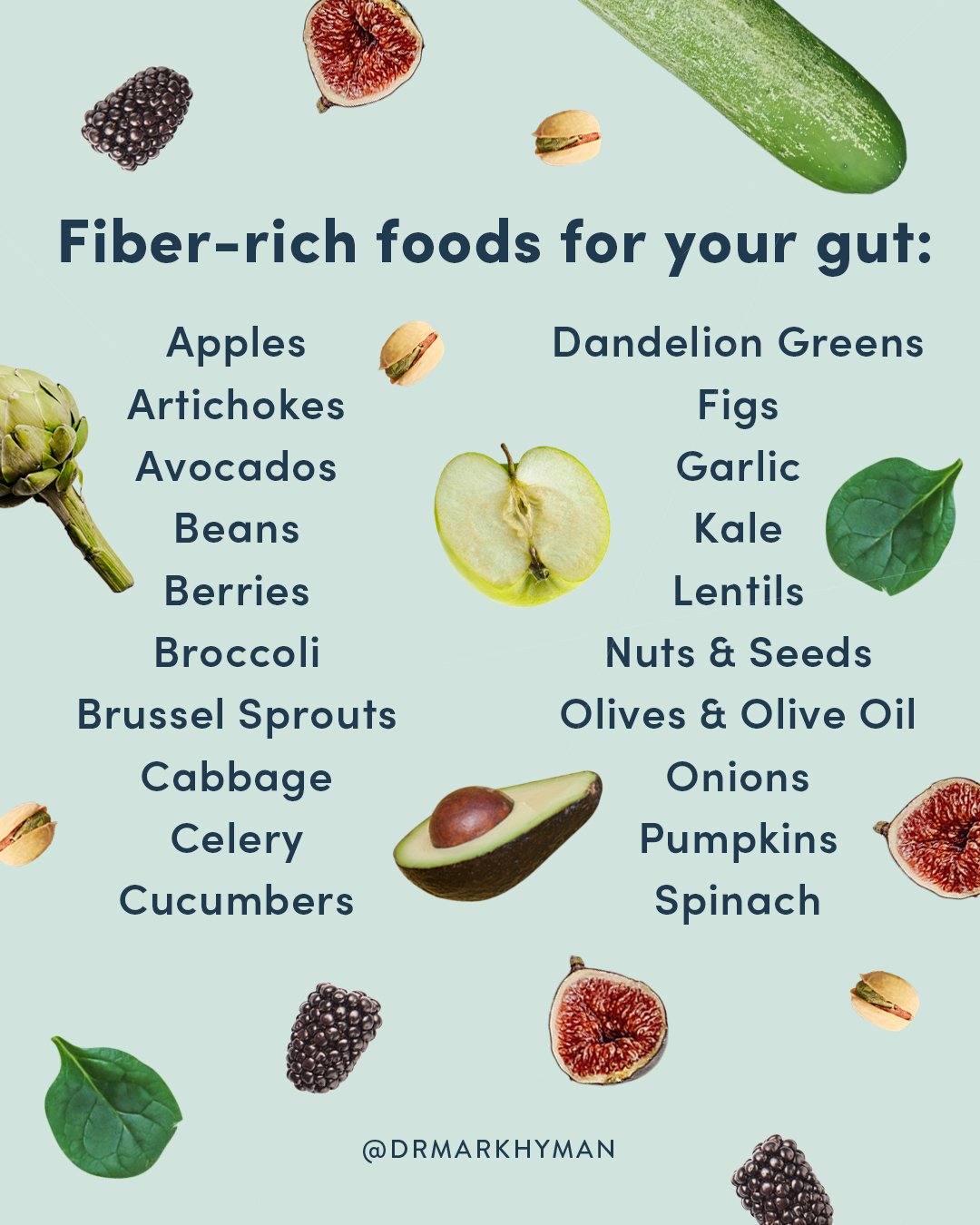
1. Eat a fiber-rich diet: Consuming a variety of fruits, vegetables, whole grains, legumes, and nuts provides ample fiber that promotes regular bowel movements and supports the growth of beneficial gut bacteria.
2. Stay hydrated: Drinking enough water helps soften stools and aids in their easy passage through the digestive tract.
3. Limit processed foods: Highly processed foods often lack essential nutrients while containing additives that may disrupt the balance of gut bacteria. Opt for whole foods whenever possible.
4. Include fermented foods in your diet: Foods like yogurt, kefir, sauerkraut, kimchi, and kombucha contain probiotics that introduce beneficial bacteria into your gut.
5. Reduce sugar intake: High sugar consumption can negatively impact gut health by promoting the growth of harmful bacteria. Choose natural sweeteners like honey or opt for fresh fruits instead.
6. Manage stress levels: Chronic stress can affect digestion by altering gut motility and reducing blood flow to the digestive system. Practice stress management techniques such as meditation or deep breathing exercises.
7. Exercise regularly: Regular physical activity not only improves overall health but also enhances digestion by stimulating intestinal contractions that aid in moving food through the digestive tract more efficiently.
8. Get enough sleep: Poor sleep habits have been linked to an increased risk of gastrointestinal disorders such as irritable bowel syndrome (IBS). Aim for 7-9 hours of quality sleep each night.
9. Avoid excessive antibiotic use: While antibiotics are necessary at times, overuse can disrupt the balance of good bacteria in your gut microbiome. Only take antibiotics when prescribed by a healthcare professional.
10. Listen to your body: Pay attention to how different foods make you feel. Keep a food diary and note any symptoms or discomfort after meals. This can help identify potential food intolerances or sensitivities that may be affecting your gut health.
Incorporating these tips into your lifestyle can improve your gut health and digestion, leading to better overall well-being. Remember, everyone is unique, so it’s important to find what works best for you and consult with a healthcare professional if needed.

Leave a Reply