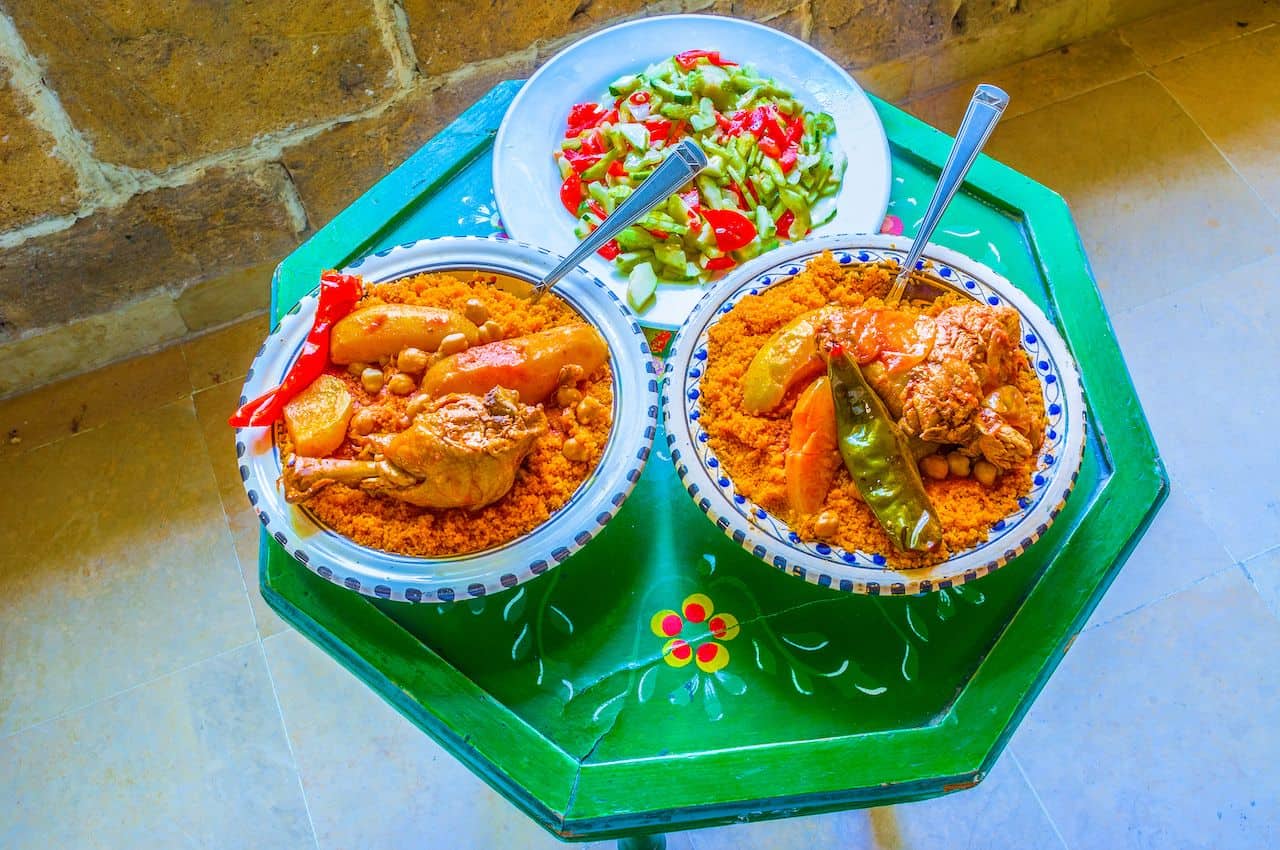
Tunisia: A Culinary Paradise for Healthy Eating
Introduction:
When it comes to healthy eating, exploring different cuisines can be an exciting way to discover new flavors and nourish our bodies. Tunisia, located on the northernmost coast of Africa, offers a culinary paradise that combines delicious dishes with wholesome ingredients. With its rich history and diverse influences from Mediterranean, Arab, and Berber cultures, Tunisian cuisine presents a unique tapestry of vibrant flavors and healthful options.
In this guide, we will delve into the essence of Tunisian cuisine and explore some of the traditional dishes that make it a perfect choice for those seeking nutritious meals.
1. The Backbone of Tunisian Cuisine:
Olive Oil: Known as “liquid gold,” olive oil is at the heart of Tunisian cooking. It is not only used as a cooking medium but also drizzled over salads or used as a dip for bread. High in monounsaturated fats and antioxidants, olive oil provides numerous health benefits such as reducing inflammation and promoting heart health.
2. Staple Ingredients:
a) Grains:
Tunisians rely heavily on grains like couscous (semolina pasta), bulgur wheat, barley, and rice. These provide essential carbohydrates while being low in fat content.
b) Legumes:
Legumes play a significant role in Tunisian cuisine due to their nutritive value. Chickpeas (garbanzo beans), lentils, fava beans are commonly used in stews (chorba), soups (lablabi), or even mashed into spreads like bessara.
c) Fresh Vegetables:
Tunisia’s fertile lands offer an abundance of vegetables like tomatoes, eggplants (aubergines), bell peppers (capsicum), zucchini (courgettes), carrots, potatoes among others. Incorporating these veggies into your diet ensures essential vitamins and minerals along with dietary fiber.
d) Fresh Herbs and Spices:
Herbs like mint, parsley, cilantro, and spices such as cumin, coriander, turmeric, paprika bring a burst of flavor to Tunisian dishes. These ingredients also have potential health benefits due to their antioxidant properties.
e) Seafood:
With its extensive coastline on the Mediterranean Sea, Tunisia boasts an array of seafood options. Rich in omega-3 fatty acids and lean protein, fish like tuna, sea bass (loup de mer), sardines are commonly consumed.
3. Traditional Tunisian Dishes:
a) Salads:
Tunisian salads are a delightful way to start your meal. Focusing on fresh vegetables with minimal cooking involved ensures maximum nutrient retention. Tabbouleh (parsley salad), mechouia (grilled vegetable salad), or zaalouk (eggplant dip) are some popular choices.
b) Couscous:
Couscous is a staple dish often enjoyed on festive occasions or family gatherings. It consists of steamed semolina grains accompanied by various vegetables like carrots, turnips, chickpeas along with meat or fish for added protein.
c) Tajine:
Similar to the Moroccan counterpart but with its unique twist, Tunisian tajine is a slow-cooked stew consisting of tender meat (such as lamb or chicken), aromatic herbs and spices simmered together until flavors meld perfectly.
d) Shakshuka:
Shakshuka has gained popularity worldwide for its simple yet bold flavors. This dish comprises poached eggs in a spiced tomato sauce enriched with onions and bell peppers.
e) Lablabi:
Lablabi is a comforting soup made from chickpeas boiled until soft then garnished with olive oil drizzle, harissa paste for heat if desired and topped off with tuna chunks or boiled eggs.
f) Mechouia Sandwiches:
Mechouia sandwiches are perfect for a quick, healthy bite. This sandwich consists of grilled or roasted vegetables like bell peppers and tomatoes mixed with garlic, capers, olive oil, and spices. Served in a crusty baguette or traditional Tunisian bread (khobz), it is both nutritious and delicious.
4. The Role of Harissa:
No exploration of Tunisian cuisine would be complete without mentioning harissa – a fiery chili paste made from red chilies, garlic, coriander seeds, caraway seeds, and olive oil. Harissa adds depth and spice to many dishes but can also be enjoyed as a dip with bread or used as a condiment.
5. Eating Habits and Traditions:
In Tunisia, mealtimes are cherished moments where families come together to share not only food but also stories and laughter. It is common for meals to consist of multiple courses with generous portions of vegetables alongside the main dish.
6. Health Benefits:
Tunisian cuisine offers several health benefits due to its emphasis on fresh ingredients prepared using simple cooking techniques:
– Rich in antioxidants: Fresh herbs, spices, olive oil offer numerous antioxidant compounds that help fight inflammation.
– Balanced macronutrients: Grains provide carbohydrates while legumes contribute protein along with essential vitamins and minerals.
– Omega-3 fatty acids: Regular consumption of seafood promotes heart health.
– Fiber-rich: Vegetables and legumes are high in dietary fiber aiding digestion and promoting satiety.
Conclusion:
Exploring Tunisian cuisine provides an enriching experience for anyone seeking flavorful yet healthy eating options. With its abundant use of fresh fruits & vegetables, lean meats & fish combined with aromatic herbs & spices – Tunisian dishes truly represent the essence of nourishing meals infused with vibrant flavors. So why not embark on a culinary journey through Tunisia’s diverse gastronomy? Discover the treasures this North African gem has to offer while nourishing your body with wholesome ingredients.

Leave a Reply