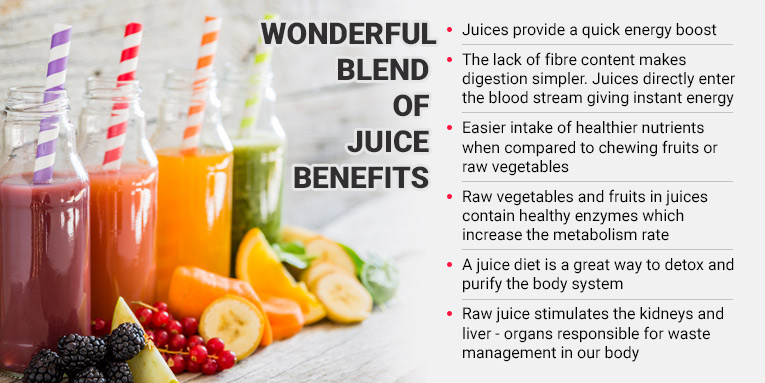
Juicing has gained popularity in recent years as a way to incorporate more fruits and vegetables into our diets. Not only does juicing provide a convenient way to consume these nutrient-rich foods, but it also offers numerous health benefits. In this Q&A style post, we will explore some of the lesser-known advantages of juicing and discuss how it can improve various aspects of our well-being.
1. The Benefits of Juicing Wheatgrass
Wheatgrass is packed with vitamins, minerals, and antioxidants that can support overall health. Juicing wheatgrass allows for easier absorption by the body, providing an instant nutrient boost. Regular consumption of wheatgrass juice may enhance detoxification processes, strengthen the immune system, and promote healthy digestion.
2. Juicing for Improved Digestion
Certain fruits and vegetables are known for their digestive properties. Incorporating them into your juices can help alleviate digestive issues such as bloating or constipation. Pineapple contains bromelain, an enzyme that aids in breaking down proteins, while ginger has been shown to reduce inflammation in the gut.
3. Lesser-Known Juicing Recipes for Weight Loss
While many people associate juicing with weight loss, there are some lesser-known recipes specifically designed to support this goal. For instance, a blend of green apples, cucumber, kale leaves, lemon juice, and mint can boost metabolism and aid in shedding excess pounds.
4.Juicing to Boost the Immune System
Our immune system plays a crucial role in protecting us from infections and diseases. Certain ingredients like citrus fruits (rich in vitamin C), turmeric (with its anti-inflammatory properties), and elderberries (known for their immune-boosting abilities) can be incorporated into juices to support immune function.
5.The Effects of Juicing on Skin Health
The saying “you are what you eat” holds true when it comes to skin health as well. A diet rich in antioxidants helps combat oxidative stress, a major contributor to premature aging. Juices containing ingredients like carrots (packed with beta-carotene), spinach (high in vitamins A and C), and pomegranate (a potent antioxidant) can promote a healthy complexion.
6.Juicing with Unconventional Fruits and Vegetables
While many of us are familiar with juicing common fruits and vegetables, there is an array of unconventional options worth exploring. Have you ever considered juicing beets, watermelon rinds, or even dandelion greens? These ingredients offer unique flavors and additional health benefits.
7.Juicing for Detoxification and Cleansing
Juice detoxes have become popular as a way to cleanse the body from toxins. While it’s important to approach these cleanses with caution, incorporating juices containing cleansing agents like parsley, cilantro, or lemon can support the body’s natural detoxification processes.
8.The Role of Juicing in Managing Diabetes
For individuals with diabetes, carefully selecting juicing ingredients is crucial due to their impact on blood sugar levels. Low-sugar fruits such as berries or green apples combined with leafy greens like kale or spinach are excellent choices for managing diabetes through juicing.
9.Juicing for Better Sleep Quality
Certain nutrients found in fruits and vegetables can positively influence sleep quality. Magnesium-rich ingredients like bananas or almonds may help relax muscles and promote better sleep. Combining them into a juice recipe offers a delicious bedtime treat that supports restful slumber.
10.Lesser-Known Herbs and Spices to Add to Your Juices
Adding herbs and spices not only enhances the flavor but also boosts the nutritional value of your juices. Lesser-known options such as turmeric (anti-inflammatory properties), basil (rich in antioxidants), or cayenne pepper (metabolism booster) can elevate your juice game.
11.Juicing to Support Hormonal Balance
Hormonal imbalances can lead to various health issues. Juicing ingredients like broccoli, flaxseed, or maca root can help support hormone regulation. These ingredients contain compounds that promote hormonal balance and overall well-being.
12.The Impact of Juicing on Mental Clarity and Focus
Certain fruits and vegetables are known for their brain-boosting properties. Blueberries, avocados, and leafy greens are rich in antioxidants and nutrients that support cognitive function. Incorporating them into your juices may improve mental clarity and focus.
13.Juicing for Joint Health and Pain Relief
Chronic joint pain can significantly impact daily life. Certain fruits and vegetables possess anti-inflammatory properties that may alleviate joint pain when consumed regularly through juicing. Turmeric, ginger, or tart cherries are excellent examples of inflammation-fighting ingredients.
14.Lesser-Known Superfoods to Incorporate into Your Juices
Superfoods are nutrient-dense foods with exceptional health benefits. While many people are familiar with popular options like kale or blueberries, there is an abundance of lesser-known superfoods worth juicing such as spirulina (rich in protein), moringa (packed with vitamins), or camu camu (high vitamin C content).
15.Juicing for Hair Growth and Strength
The nutrients we consume play a crucial role in hair health. Ingredients like spinach (iron-rich), carrots (vitamin A source), or flaxseeds (omega-3 fatty acids) can nourish the hair follicles when incorporated into juices.
16.The Effects of Juicing on Cholesterol Levels
High cholesterol levels increase the risk of heart disease. Certain fruits like oranges or grapefruits contain soluble fiber known to lower cholesterol levels naturally when consumed regularly through juicing.
17.Juicing as a Natural Remedy for Allergies
Some fruits and vegetables possess natural antihistamine properties that may provide relief from allergy symptoms. Pineapple contains bromelain, known for its ability to reduce mucous production and alleviate respiratory discomfort.
18.Lesser-Known Greens to Include in Your Juice Blends
While kale and spinach are commonly used greens in juices, there is a wide range of lesser-known options worth exploring. Consider incorporating swiss chard (rich in vitamins A and K), collard greens (high calcium content), or mustard greens (packed with antioxidants) into your juice blends for added variety and nutrition.
19.Juicing for Improved Athletic Performance
Athletes often seek ways to optimize their performance naturally. Juices containing ingredients like beets (improves endurance), tart cherries (reduces muscle soreness), or ginger (anti-inflammatory properties) can support athletic performance by enhancing stamina and reducing recovery time.
20.The Impact of Juicing on Gut Health
A healthy gut is essential for overall well-being. Certain fruits, vegetables, and herbs contain prebiotic fibers that nourish beneficial gut bacteria. Incorporating ingredients like bananas, apples, garlic, or dandelion greens into your juice recipes can promote a healthy gut microbiome.
21.Juicing with Fermented Foods for Added Probiotics
Probiotics play a crucial role in maintaining a balanced gut microbiome. Combining fermented foods such as kefir or sauerkraut with fresh fruits and vegetables can provide an additional probiotic boost when juiced together.
22.Lesser-Known Root Vegetables to Juice
Root vegetables offer unique flavors and nutritional benefits that can be enjoyed through juicing. While carrots are commonly juiced roots, consider experimenting with less common options like parsnips (vitamin C source), burdock root (detoxifying properties), or jicama (rich in fiber).
23.Juicing to Support Liver Function
The liver is responsible for detoxification processes within the body. Incorporating beetroot, celery, lemon juice, or dandelion greens into your juices can support liver health and aid in its natural cleansing functions.
24.The Effects of Juicing on Blood Pressure
High blood pressure is a significant risk factor for heart disease. Certain fruits and vegetables, including beets, celery, or pomegranate, contain compounds that may help lower blood pressure levels when consumed regularly through juicing.
25.Juice Fasting: Lesser-Known Tips and Tricks
Juice fasting involves consuming only juices for a specific period to detoxify the body. While juice fasting should be approached with caution, some lesser-known tips and tricks can enhance the experience. For example, alternating between fruit-based and vegetable-based juices throughout the day can provide a more balanced nutrient intake during fasting.
In conclusion, juicing offers numerous health benefits beyond simply increasing fruit and vegetable consumption. Whether you’re looking to boost your immune system, improve digestion, support hormone balance, or address specific health concerns such as joint pain or allergies – incorporating fresh juices into your diet can be an effective way to nourish your body and promote overall well-being.

Leave a Reply