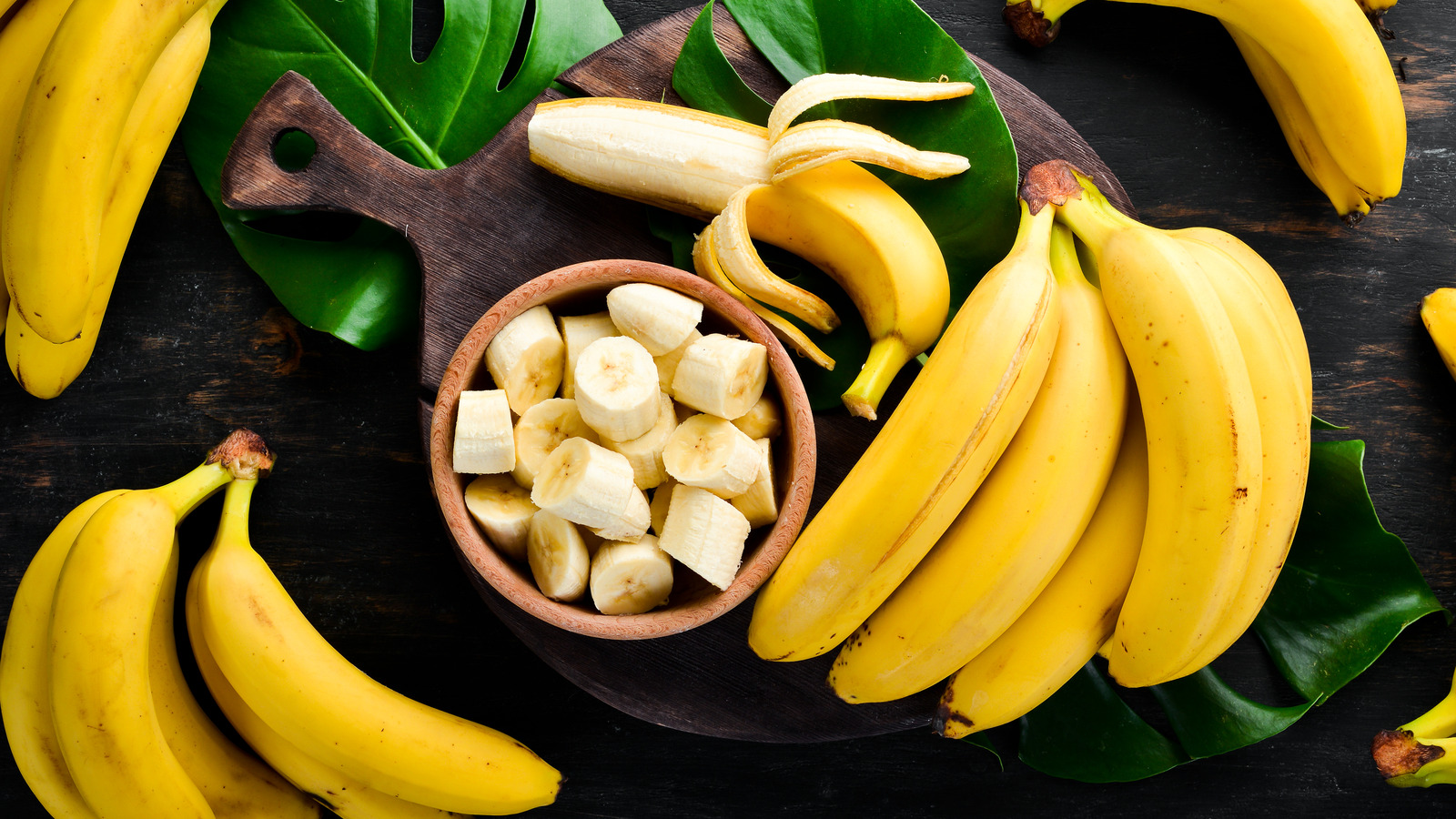
Bananas are one of the most versatile and nutritious fruits that can be incorporated into a Mediterranean diet. This tropical fruit is not only delicious but also packs a punch when it comes to health benefits.
Firstly, bananas are an excellent source of dietary fiber. With about 3 grams of fiber in a medium-sized banana, they aid in digestion and help regulate bowel movements. Fiber also promotes feelings of fullness, making it easier to maintain a healthy weight.
Furthermore, bananas are rich in essential vitamins and minerals. They contain high levels of potassium, which plays a vital role in maintaining healthy blood pressure levels and heart function. Bananas also provide vitamin C, vitamin B6, magnesium, and manganese – all important nutrients for overall well-being.
In addition to their nutritional value, bananas can be used as a healthier alternative to sugar or fat in baking recipes. Mashed bananas add natural sweetness and moisture to baked goods without the need for excessive amounts of added sugar or butter.
Moreover, bananas make an excellent post-workout snack due to their high carbohydrate content. They provide quick energy while replenishing glycogen stores in muscles after exercise.
Lastly, bananas pair well with other Mediterranean diet staples like yogurt or nuts for a satisfying breakfast or snack option. Adding sliced banana on top of Greek yogurt with some crushed almonds creates a delicious combination that is both nutritious and filling.
In conclusion, incorporating bananas into your Mediterranean diet offers numerous health benefits due to their fiber content, essential vitamins and minerals, versatility in cooking/baking recipes, post-workout recovery properties,and ability to enhance the taste of other foods. So grab this wonderful fruit next time you’re at the grocery store!

Leave a Reply