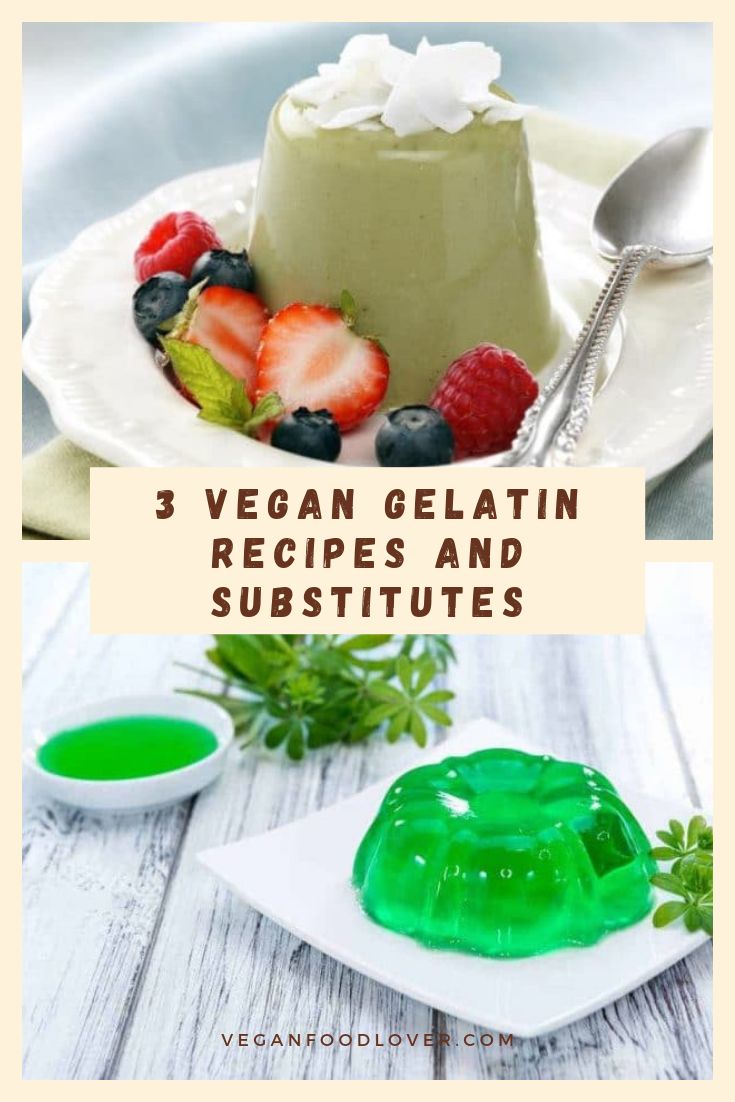
Are you a vegetarian or looking to incorporate more plant-based ingredients into your cooking? If so, you may have encountered recipes that call for gelatin as a binding or thickening agent. Gelatin is derived from animal collagen, making it unsuitable for vegetarians. However, there are plenty of excellent substitutes available that can achieve the same results without compromising your dietary choices. In this article, we will explore some popular vegetarian alternatives to gelatin and how to use them in various recipes.
1. Agar-Agar:
Agar-agar is perhaps the most well-known and widely used substitute for gelatin. Derived from seaweed, it has a similar texture and gelling properties as gelatin but comes from a completely plant-based source. Agar-agar is available in powder or flake form and can be found in health food stores or online.
To replace one tablespoon of gelatin with agar-agar, mix one teaspoon of powdered agar-agar with one tablespoon of water before adding it to your recipe. Bring the mixture to a boil while stirring continuously until fully dissolved. Allow it to cool slightly before refrigerating until set.
2. Carrageenan:
Carrageenan is another natural thickener derived from seaweed that can serve as an excellent replacement for gelatin in recipes like puddings, mousses, and even vegan jellies. It provides great texture and stability without altering the taste of your dish.
To use carrageenan as a substitute for gelatin, follow the instructions on the packaging as different brands may have varying strengths and usage recommendations.
3. Guar Gum:
Guar gum is made from ground guar beans and acts as an effective thickening agent in both sweet and savory dishes. While not exactly mimicking the texture of gelatin when used alone, combining guar gum with other ingredients such as arrowroot powder or cornstarch can help achieve better results.
For every cup of liquid, use 1/2 teaspoon of guar gum if using it alone or adjust the quantity based on your desired consistency. It’s important to remember that guar gum can become slimy if too much is added, so start with smaller amounts and gradually increase as needed.
4. Xanthan Gum:
Similar to guar gum, xanthan gum is a powdered substance that adds thickness and stability to recipes. It works well in both hot and cold dishes and can be used as a vegetarian substitute for gelatin in a variety of desserts like ice creams, puddings, and sauces.
To replace gelatin with xanthan gum, use 1/8 teaspoon per cup of liquid for most recipes. Start by whisking the xanthan gum into a small amount of warm liquid before incorporating it into your recipe to ensure even distribution.
5. Carrageen Moss:
Carrageen moss (also known as Irish moss) is another seaweed-based ingredient that acts as a natural gelling agent when cooked. It has been traditionally used in Irish cuisine for centuries but is now gaining popularity worldwide due to its vegan-friendly properties.
To incorporate carrageen moss into your recipes, soak approximately 1 ounce of dried carrageen moss in water until soft before blending it with two cups of water until smooth. Bring the mixture to a boil while stirring continuously for about ten minutes until thickened. Strain out any solids before adding the resulting gel-like substance to your recipe.
6. Fruit Pectin:
Fruit pectin is commonly used in making jams and jellies but can also be utilized as an alternative to gelatin in various dessert recipes such as mousses or fruit fillings. While not suitable for all applications due to its specific taste and texture profile, fruit pectin offers an excellent plant-based option for some dishes.
The exact amount required will depend on the brand you choose; thus, it’s essential to follow the instructions provided on the packaging. In general, you will need less fruit pectin compared to gelatin, so go by taste and texture when replacing it in your recipes.
By experimenting with these vegetarian substitutes for gelatin, you can explore a whole new world of plant-based dessert options. Whether you’re a vegetarian or simply looking to reduce your reliance on animal-derived ingredients, these alternatives offer great versatility without compromising on taste or texture. So go ahead and get creative with your cooking while staying true to your dietary choices!

Leave a Reply