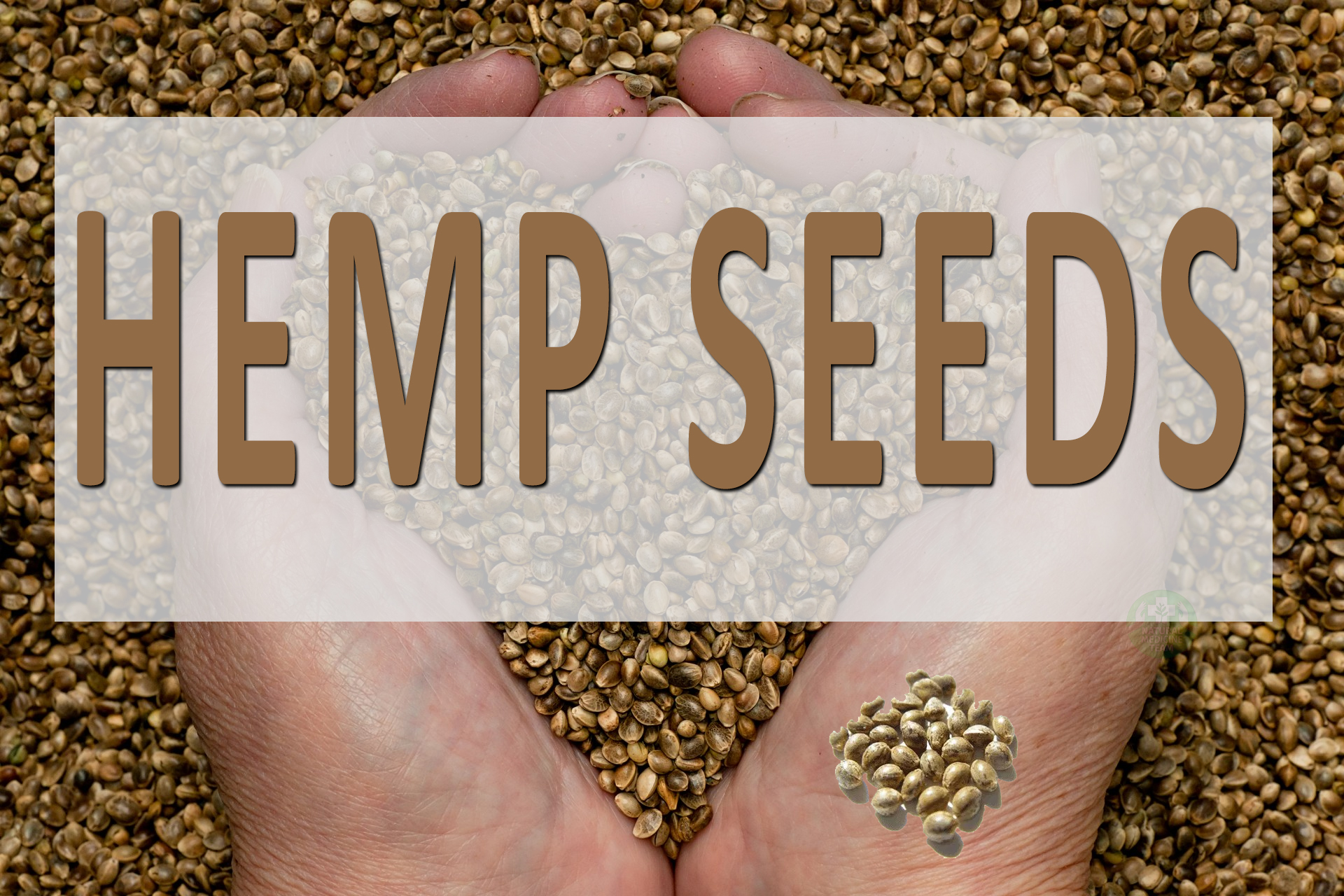
Hemp Seeds for Heart Health: Unlocking the Power of Nature
In today’s fast-paced world, with our hectic schedules and unhealthy eating habits, it is no surprise that heart disease has become one of the leading causes of death worldwide. The good news is that we have a natural solution right at our fingertips – hemp seeds. These tiny powerhouses are packed with essential nutrients that can greatly benefit your heart health.
What Are Hemp Seeds?
Before delving into the specific benefits of hemp seeds for heart health, let’s take a closer look at what they actually are. Hemp seeds come from the Cannabis sativa plant but contain minimal amounts (less than 0.3%) of THC, the psychoactive compound found in marijuana. This means that consuming hemp seeds will not produce any mind-altering effects.
Hemp seeds have been consumed by various civilizations for thousands of years due to their impressive nutritional profile. They are an excellent source of protein, healthy fats, vitamins, minerals, and fiber. In fact, they provide all nine essential amino acids required by our bodies – making them a complete protein source for vegetarians and vegans alike.
The Omega-3 Fatty Acid Connection
One of the key reasons why hemp seeds are so beneficial for heart health lies in their omega-3 fatty acid content. Omega-3 fatty acids play a crucial role in reducing inflammation throughout the body – including in blood vessels and arteries.
Research shows that increasing omega-3 intake can lower blood pressure levels and reduce triglyceride levels – two major risk factors associated with cardiovascular disease. By incorporating hemp seeds into your diet regularly, you can naturally boost your omega-3 fatty acid intake without having to rely solely on fish or fish oil supplements.
Amino Acids Promote Healthy Blood Flow
Another way hemp seeds promote heart health is through their high content of arginine – an amino acid responsible for producing nitric oxide (NO) in the body. Nitric oxide acts as a vasodilator, meaning it helps to relax and widen blood vessels, allowing for better blood flow.
By improving blood circulation, hemp seeds can help lower the risk of heart disease and reduce the strain on your cardiovascular system. This improved blood flow also ensures that vital nutrients and oxygen reach all parts of your body more efficiently.
Rich in Antioxidants
Hemp seeds are packed with antioxidants such as vitamin E, which help protect our cells from damage caused by harmful free radicals. Free radicals are unstable molecules that can cause oxidative stress, leading to inflammation and an increased risk of chronic diseases like heart disease.
Including hemp seeds in your diet can boost your antioxidant intake, helping to neutralize these harmful free radicals and reducing their impact on overall heart health. Additionally, studies have shown that vitamin E may play a role in preventing the oxidation of LDL cholesterol – a critical step in reducing plaque buildup in arteries.
Fiber: A Key Player for Heart Health
Incorporating fiber-rich foods into our diets is essential for maintaining good heart health – and hemp seeds offer a great source of dietary fiber. Fiber has been linked to numerous cardiovascular benefits such as lowering cholesterol levels and regulating blood sugar levels.
Soluble fiber found in hemp seeds forms a gel-like substance when combined with water in the digestive tract. This gel helps bind excess cholesterol present in both food sources and bile produced by our bodies before being eliminated through bowel movements. By doing so, soluble fiber promotes healthy cholesterol levels while reducing the risk of developing conditions like atherosclerosis.
Moreover, dietary fiber slows down digestion, providing longer-lasting feelings of fullness after meals. This effect can aid weight management efforts by preventing overeating or unnecessary snacking throughout the day – factors that contribute to obesity and its associated risks for heart disease.
Managing Inflammation with Hemp Seeds
Chronic inflammation plays a significant role not only in heart disease but also in various other chronic conditions such as diabetes and arthritis. The omega-6 fatty acid, gamma-linolenic acid (GLA), found abundantly in hemp seeds, has been shown to help reduce inflammation levels.
While omega-6 fatty acids are essential for our bodies, maintaining a proper balance with omega-3 fatty acids is crucial. Unfortunately, the modern Western diet tends to be high in omega-6 fats from sources like refined vegetable oils. By incorporating hemp seeds into your diet, you can help restore this balance and potentially mitigate the negative effects of excessive inflammation on heart health.
How to Incorporate Hemp Seeds Into Your Diet
Now that we understand the immense benefits hemp seeds offer for heart health let’s explore some simple ways to incorporate them into your daily routine:
1. Sprinkle them over salads or roasted vegetables.
2. Add them to smoothies or homemade granola bars.
3. Mix them into yogurt or oatmeal for a nutrient-packed breakfast.
4. Use them as a topping for avocado toast or nut butter spreads.
5. Blend them into homemade pesto or salad dressings.
Conclusion
When it comes to heart health, nature often provides us with remarkable solutions – and hemp seeds are no exception. Packed with essential nutrients like omega-3 fatty acids, amino acids, antioxidants, and fiber – these tiny superfoods offer numerous benefits for cardiovascular well-being.
By incorporating hemp seeds into your daily diet through simple additions to meals and snacks, you can naturally boost your heart health while enjoying their nutty flavor and satisfying crunchiness.
Remember that maintaining good overall heart health requires a holistic approach involving regular physical activity, stress management techniques, and avoiding other lifestyle factors known to increase the risk of cardiovascular disease – such as smoking and excessive alcohol consumption.
So why not unlock the power of nature today by adding hemp seeds to your shopping list? Your heart will thank you!

Leave a Reply