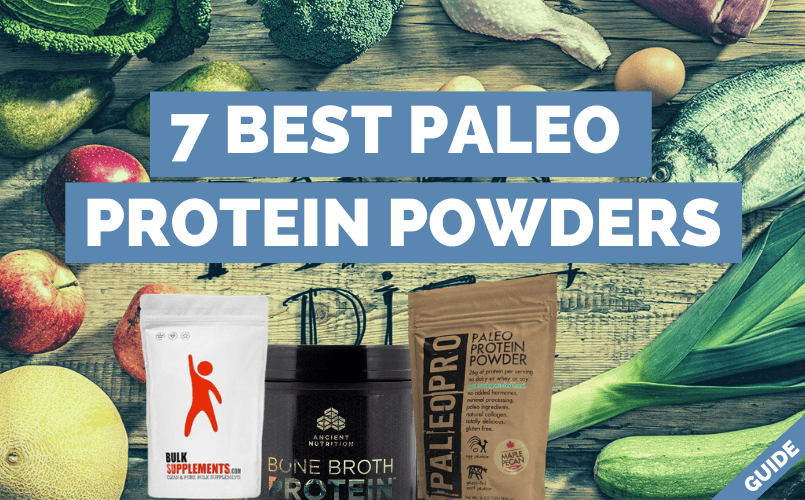
The Paleo diet, also known as the caveman or hunter-gatherer diet, has gained significant popularity in recent years. It is based on the principle of consuming foods that our ancestors would have consumed during the Paleolithic era. This means focusing on whole, unprocessed foods such as lean meats, fish, fruits, vegetables, nuts, and seeds while avoiding grains, dairy products, legumes, and processed foods.
When following the Paleo diet or any other dietary plan for that matter, it’s essential to ensure you’re getting an adequate amount of protein. Protein is a crucial macronutrient that plays a vital role in various bodily functions. It helps build and repair tissues like muscles and organs and is involved in hormone production and immune function.
Fortunately for those following the Paleo lifestyle, there are plenty of excellent sources of protein available. Let’s explore some of the best options:
1. Lean Meats:
One of the mainstays of the Paleo diet is lean meats. Opting for grass-fed or pasture-raised meats ensures higher nutrient content compared to conventionally raised animals. Excellent choices include beef (such as sirloin steak), pork (like tenderloin or chops), lamb (such as leg or rack), and poultry (chicken breast or turkey). These meats are not only rich in high-quality protein but also provide essential vitamins and minerals like iron and zinc.
2. Fish:
Fish should be an integral part of any healthy eating plan due to its abundance of omega-3 fatty acids – beneficial fats with numerous health benefits including reducing inflammation and supporting heart health. Fatty fish like salmon, mackerel, sardines, trout are particularly high in omega-3s while providing substantial protein content too.
3. Seafood:
In addition to fish varieties mentioned above; shellfish such as shrimp crab meat lobster mussels clams etc., offer an excellent source of protein on a paleo diet. They are also low in fat and contain vitamins and minerals like selenium, zinc, and iodine.
4. Eggs:
Eggs are a versatile protein source that can be enjoyed in various ways – hard-boiled, scrambled, or poached. Apart from being economical and easily accessible, eggs pack essential amino acids necessary for muscle growth and repair. Additionally, they provide nutrients like vitamin B12, choline (essential for brain health), selenium, and biotin.
5. Poultry:
Chicken and turkey breasts without the skin are lean sources of protein on the Paleo diet. These options offer around 25 grams of protein per 100 grams serving while being relatively low in fat compared to other cuts of meat.
6. Nuts:
Nuts not only provide healthy fats but also contribute to your daily protein intake on the Paleo diet. Almonds, walnuts, pistachios, Brazil nuts are excellent choices as they supply a decent amount of protein with added benefits such as fiber and antioxidants.
7. Seeds:
Similar to nuts; seeds such as flaxseeds chia seeds hemp seeds pumpkin seeds sesame seeds sunflower seeds etc., are packed with proteins along with omega-3 fatty acids fiber minerals including magnesium iron zinc phosphorus etc., making them an ideal choice for paleo followers looking to increase their protein intake through plant-based sources.
8. Nut Butter:
Nut butter made from almonds or cashews is another option worth considering on the Paleo diet when it comes to boosting your protein intake while enjoying healthy fats at the same time.
9. Vegetables:
While vegetables may not contain as much protein compared to animal-based sources mentioned above; they still contribute significantly when consumed in larger quantities due to their overall nutrient density combined with smaller amounts of proteins they do have like broccoli spinach Brussels sprouts kale etc., which also offer additional benefits such as dietary fiber antioxidants vitamins minerals etc.,
10: Legumes (in moderation):
Though legumes are typically excluded from the Paleo diet, some variations allow for limited consumption. If you choose to include legumes occasionally, they can be an excellent source of plant-based protein. Options like lentils and chickpeas can provide a substantial amount of protein while being rich in fiber.
In conclusion, following the Paleo diet doesn’t mean compromising on protein intake. By incorporating lean meats, fish, seafood, eggs, nuts, seeds, and even occasional legume consumption into your meal plan, you can easily meet your body’s protein requirements while enjoying a wide variety of delicious foods. Remember to focus on high-quality sources and opt for organic or pasture-raised options whenever possible to maximize nutrient content and minimize exposure to potentially harmful substances.

Leave a Reply