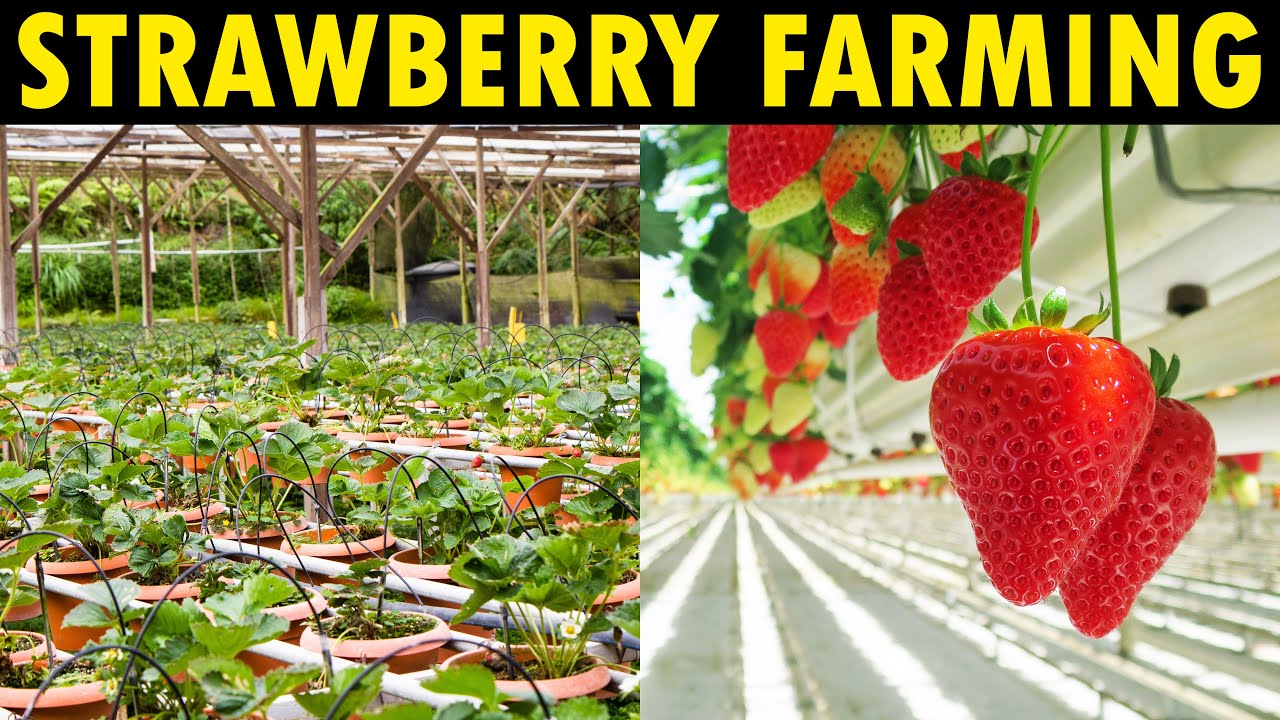
The Economics of Strawberry Farming and Production
Strawberries are not only delicious but also highly nutritious, making them a popular choice among health-conscious consumers. But have you ever wondered about the economics behind strawberry farming and production? In this article, we will delve into the world of strawberry farming and explore its economic aspects.
Firstly, let’s discuss the initial investment required for starting a strawberry farm. The cost can vary depending on several factors such as land prices, equipment purchases, irrigation systems, and labor costs. Land is one of the most significant expenses in establishing a strawberry farm because strawberries require well-drained soil with good water-holding capacity. Additionally, farmers need to invest in high-quality plants or seeds that are disease-resistant and have high yield potential.
Once the farm is established, ongoing costs come into play. Water management is crucial for successful strawberry production as they require consistent watering throughout their growing season. This means investing in an efficient irrigation system to minimize water usage while maintaining optimal soil moisture levels.
Labor also plays a significant role in strawberry farming economics. During planting season, farms often rely on temporary workers who manually plant each seedling by hand. As strawberries are delicate fruits that need careful handling during harvesting to avoid damage, hiring skilled laborers can be expensive but essential for maximizing profits.
Another aspect of strawberry farming economics involves pest control measures and fertilization practices. Farmers must invest in pest management techniques such as integrated pest management (IPM) strategies to minimize chemical inputs while effectively controlling pests like aphids or mites that can harm crop yields.
Marketing and distribution channels are critical when it comes to selling strawberries profitably. Many farmers choose to sell directly to consumers through local farmer’s markets or on-site farm stands where they can command higher prices due to their quality produce and personal interactions with customers. Others opt for wholesale distribution by partnering with grocery stores or restaurants but may face lower profit margins due to additional middlemen in the supply chain.
The economics of strawberry farming can also be influenced by external factors such as weather conditions and market demand. Unfavorable weather patterns, like heavy rainfall or extreme heat, can lead to reduced yields and increased crop losses. Additionally, fluctuations in demand and prices can impact profitability. For example, during peak strawberry seasons or holidays like Valentine’s Day, prices may rise due to increased consumer demand.
In conclusion, the economics of strawberry farming involves both initial investments and ongoing costs such as land acquisition, labor expenses, irrigation systems, pest control measures, and marketing strategies. It is a delicate balance between optimizing yield while minimizing input costs to maximize profits. Understanding these economic aspects enables farmers to make informed decisions for sustainable and profitable strawberry production. So next time you indulge in a juicy strawberry, remember the intricate process that goes into its production from farm to table.

Leave a Reply