The Vegan Lifestyle: Exploring the Benefits and Considerations
Introduction:
In recent years, there has been a significant rise in interest towards veganism. People are increasingly adopting this plant-based diet for various reasons, including health benefits, environmental concerns, and animal welfare. In this comprehensive post, we will explore the vegan lifestyle, its benefits, important considerations to keep in mind when transitioning to veganism, and how to ensure a nutritionally balanced plant-based diet.
Understanding Veganism:
Veganism is more than just a dietary choice; it is an ethical stance that rejects the use of animals for food or any other purpose. Vegans abstain from consuming all animal-derived products such as meat (including fish), dairy products, eggs, honey, gelatin, and even certain additives like whey or casein.
Health Benefits of Going Vegan:
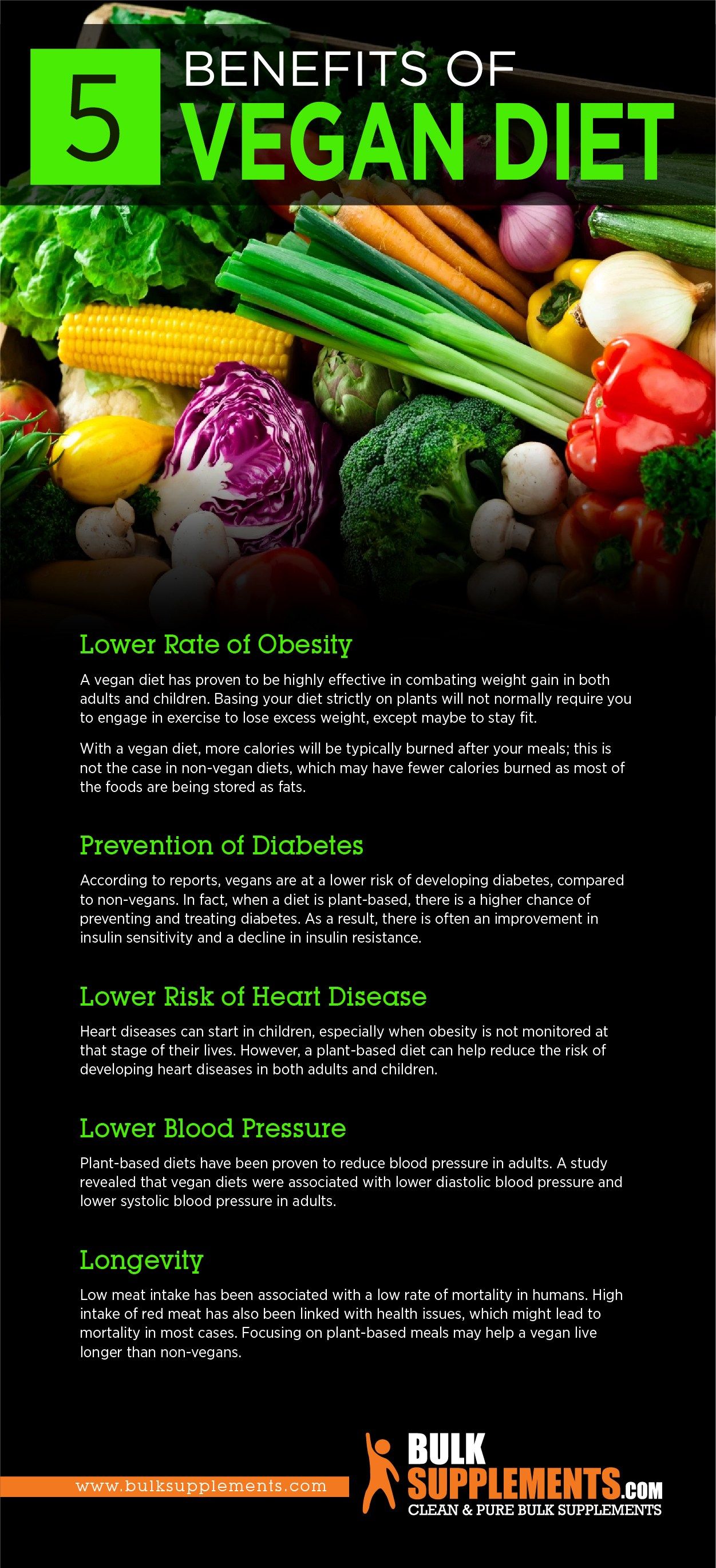
A well-planned vegan diet can offer numerous health advantages. Research suggests that vegans tend to have lower risks of heart disease, high blood pressure, type 2 diabetes, obesity, and certain types of cancer. This could be attributed to their higher intake of fiber-rich foods like fruits vegetables whole grains and legumes which contribute to improved digestion and weight management.
Nutritional Considerations:
While a properly planned vegan diet can provide all necessary nutrients for optimal health at every stage of life; careful attention must be paid to certain nutrients that might be lacking in a solely plant-based diet. Key nutrients include protein (amino acids), iron (both heme and non-heme sources), vitamin B12 (commonly found in animal products), omega-3 fatty acids (EPA & DHA), calcium (fortified plant-milks or leafy greens), iodine (seaweed or supplements) as well as vitamin D through sun exposure or fortified foods.
Plant-Based Protein Sources:
Protein is vital for building muscle mass and repairing tissues within our bodies. Contrary to popular belief, plant-based protein sources are abundant. Legumes like lentils and chickpeas, quinoa, tofu, tempeh, seitan, edamame, nuts and seeds (such as almonds and chia seeds), spirulina and even some whole grains (like amaranth) are excellent vegan-friendly sources of protein.
Iron-Rich Vegan Foods:
Iron is essential for maintaining healthy blood cells and preventing anemia. Vegans can obtain iron from various plant-based sources such as legumes (lentils, chickpeas), dark leafy greens (spinach, kale), fortified cereals or breads, dried fruits (raisins or apricots), pumpkin seeds, blackstrap molasses and certain types of seaweed like nori.
Vitamin B12 in a Vegan Diet:
Vitamin B12 is crucial for nerve function and the production of red blood cells. Since it is primarily found in animal products; vegans must ensure they get enough through either fortified foods (plant-milk alternatives or cereals) or by taking daily supplements.
Omega-3 Fatty Acids for Vegans:
Omega-3 fatty acids play a vital role in brain health and reducing inflammation within the body. While fish oil is a common source of omega-3s; vegans can obtain these essential fats from algae-derived supplements such as DHA/EPA capsules or consuming plant-based sources like flaxseeds/linseed oil/walnuts/chia seeds/hempseeds.
Calcium & Iodine Sources for Vegans:
Calcium helps maintain strong bones while iodine supports thyroid function. Plant-based milk alternatives fortified with calcium are widely available along with other calcium-rich vegan foods include dark leafy greens like kale/collard greens/bok choy/tahini/tofu/almonds/sesame seeds as well as fortified orange juice. For iodine requirements; consumption of seaweed (such as kelp or nori) or iodized salt can help meet daily needs.
Vitamin D & Sunlight Exposure:
Our bodies produce vitamin D when exposed to sunlight. However, depending on geographical location and individual circumstances, it might be challenging for vegans to obtain enough vitamin D naturally. Fortified plant-based milk alternatives, orange juice, and certain breakfast cereals can provide additional sources of this important nutrient.
Transitioning to a Vegan Lifestyle:
Transitioning to veganism requires careful planning and education about nutrition. It is advisable to gradually introduce more plant-based foods into your diet while phasing out animal products. Seeking guidance from a registered dietitian or nutritionist who specializes in plant-based diets can be extremely helpful during this transition period.
Conclusion:
Choosing a vegan lifestyle offers numerous benefits for health-conscious individuals concerned about the environment and animal welfare. By ensuring proper nutrition through well-planned meal choices and possible supplementation, vegans can enjoy optimal health while contributing positively towards the planet’s sustainability. Remember, any significant dietary changes should always be approached with informed decision-making and expert advice tailored to individual needs.

Leave a Reply