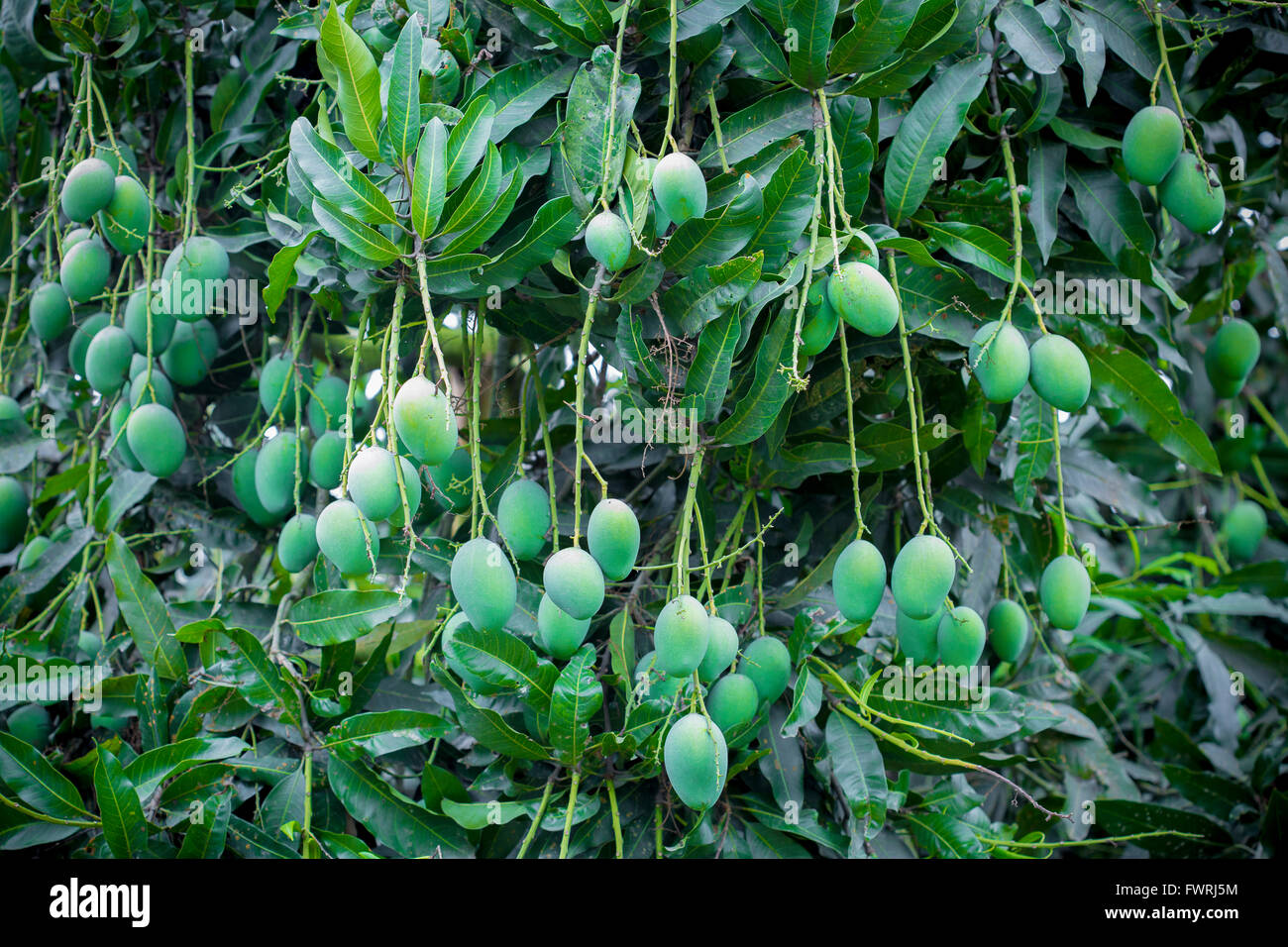
The History of Mango Cultivation
Mangoes are one of the most popular and widely consumed fruits worldwide. Known for their delicious taste and vibrant colors, mangoes have a long history that dates back thousands of years. From ancient times to modern cultivation practices, let’s explore the fascinating journey of how mangoes became a beloved fruit.
1. Origins in Asia:
The origins of mango cultivation can be traced back to South Asia, specifically India and Myanmar (formerly Burma). It is believed that mango trees were first domesticated in these regions around 4,000 years ago. The Indian subcontinent has always been known as the primary center for mango diversity due to its favorable climate and rich soil.
2. Ancient References:
Mangoes hold significant cultural importance in many Asian countries. In ancient Indian literature such as Rigveda and Ramayana, references to mango trees can be found, highlighting their value even during those times. Mangoes were considered a symbol of prosperity and fertility.
3. Spread through Trade:
As civilizations expanded and trade routes developed across Asia, the popularity of mangoes spread rapidly along with it. Traders from India introduced mango seeds to Southeast Asia, including Thailand, Indonesia, Malaysia, and the Philippines. By 500 BCE – 500 CE period, this tropical fruit had become widely cultivated throughout these regions.
4. Introduction to Africa:
With Arab traders sailing across the Indian Ocean in search of spices and other commodities during medieval times (8th-15th century), they brought along not only goods but also new crops like mangos from India into East Africa—specifically Kenya—which offered similar climatic conditions for successful cultivation.
5. Arrival in Europe:
European explorers encountered mango trees during their voyages to Asia in the 15th century onwards but initially struggled with successfully cultivating them outside their native lands due to different climates and growing conditions compared to India or Southeast Asia where they thrived.
6. Portuguese Influence:
The Portuguese, who were among the first Europeans to reach India by sea, played a significant role in spreading mango cultivation. They established colonies and trade routes in India during the 16th century and introduced mango trees to their colonies in Brazil. From there, mangoes spread further into South America.
7. British Efforts:
During the British colonial period, mangoes gained popularity as a luxury fruit in England. The British East India Company transported various varieties of mango trees to their tropical colonies like Jamaica, Trinidad, and other Caribbean islands where they flourished due to similar climatic conditions.
8. Mango Cultivation in the United States:
Mango cultivation arrived relatively late in the United States compared to other parts of the world. The first attempts at growing mangoes commercially began in Florida around the late 19th century when seeds from India were brought over by sailors or travelers for personal use but later planted them on American soil.
9. Modern Cultivation Practices:
Today, mango cultivation has expanded globally due to advancements in horticulture techniques and improved transportation systems enabling easy access to fresh fruits year-round regardless of geographical boundaries or seasons.
In many countries with suitable climates such as Mexico, Thailand, Indonesia, and Brazil—among others—mango production has become an important agricultural industry contributing significantly to local economies.
10. Popular Varieties Worldwide:
There are thousands of different mango varieties grown worldwide today; each with its unique flavor profile and characteristics influenced by climate variations and breeding efforts over centuries.
Some popular varieties include Alphonso (India), Tommy Atkins (United States), Kent (Mexico), Keitt (Thailand), Ataulfo (Philippines/Mexico), Haden (Jamaica/United States) among numerous others that satisfy diverse consumer preferences across continents.
11. Nutritional Benefits:
Apart from being incredibly delicious, mangoes offer numerous health benefits too! They are packed with essential nutrients such as vitamin C, vitamin A, fiber, and antioxidants. Mangoes have been linked to improved digestion, enhanced immune function, and even potential cancer prevention.
12. Sustainable Cultivation:
As the demand for mangoes continues to rise worldwide, sustainable cultivation practices have gained importance. Many farmers are adopting organic farming methods that minimize the use of pesticides and chemical fertilizers while promoting biodiversity in mango orchards.
In conclusion, the history of mango cultivation is a testament to its global popularity and cultural significance. From its origins in South Asia to reaching various corners of the world through trade routes and colonial expeditions, mangoes have become an integral part of diverse cuisines and diets worldwide. Whether enjoyed fresh or used in culinary creations like smoothies, salads, or desserts, this tropical fruit continues to captivate people’s taste buds with its unique flavors and versatility.

Leave a Reply