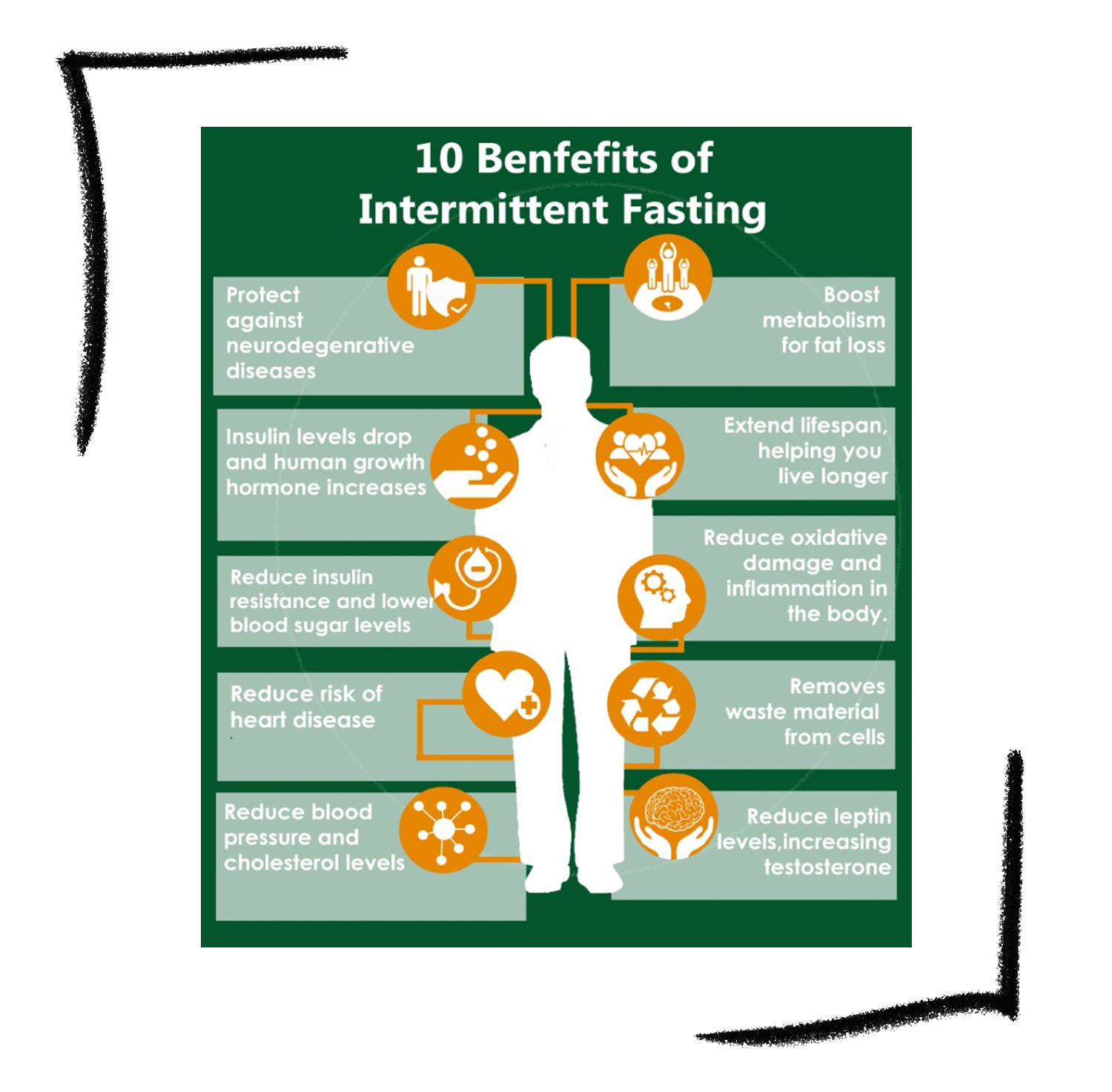
Intermittent Fasting and Insulin Sensitivity: A Powerful Combination for Health
In recent years, intermittent fasting has gained popularity as a promising approach to weight loss and overall well-being. But did you know that this eating pattern may also have a positive impact on insulin sensitivity? In this article, we will explore the relationship between intermittent fasting and insulin sensitivity, shedding light on how this powerful combination can benefit your health.
Insulin is a hormone produced by the pancreas that plays a crucial role in regulating blood sugar levels. When we eat carbohydrates, our bodies break them down into glucose, causing blood sugar levels to rise. In response, the pancreas releases insulin to help transport glucose from the bloodstream into cells where it can be used for energy or stored as glycogen.
However, when we consistently consume excessive amounts of carbohydrates or follow an unhealthy diet high in processed foods, our bodies become resistant to insulin’s effects. This condition is known as insulin resistance and is often associated with type 2 diabetes and other metabolic disorders.
Here’s where intermittent fasting comes into play. By incorporating periods of fasting into your eating routine—such as alternate day fasting or time-restricted feeding—you give your body an opportunity to reset its metabolism and improve insulin sensitivity.
During a fasted state, when there is no incoming food energy, your body turns to stored glycogen for fuel. As these glycogen stores deplete over time (typically after 12-16 hours), your body switches its energy source to fat stores—a process called ketosis. This shift not only helps with weight management but also enhances cellular repair mechanisms and triggers favorable changes in hormonal balance.
Moreover, studies have shown that intermittent fasting can lower overall caloric intake while improving nutrient partitioning—the way nutrients are utilized by the body—which contributes to improved insulin sensitivity. Additionally, periods of fasting stimulate autophagy—an essential cellular recycling process that removes damaged components—leading to improved cellular health and insulin signaling.
In one study published in the journal Cell Metabolism, researchers found that participants who followed an intermittent fasting protocol for five weeks experienced a significant decrease in insulin resistance compared to those on a traditional calorie-restricted diet.
While intermittent fasting shows promise for improving insulin sensitivity, it’s important to approach this eating pattern with caution. It may not be suitable for everyone, especially individuals with certain medical conditions or those on specific medications. Consulting with a healthcare professional or registered dietitian is recommended before embarking on any new dietary regimen.
In conclusion, combining intermittent fasting with its potential benefits for weight management and overall health improvements can also positively impact insulin sensitivity. By allowing your body regular periods of rest from food consumption, you give it an opportunity to reset and optimize its metabolic processes. However, remember that individual needs vary, so always seek personalized advice when considering changes to your eating habits.

Leave a Reply