The Impact of Free-Range Egg Production on Local Ecosystems
Free-range egg production has gained popularity in recent years due to its perceived benefits for animal welfare and the environment. However, it is important to consider the impact that this method of egg production may have on local ecosystems.
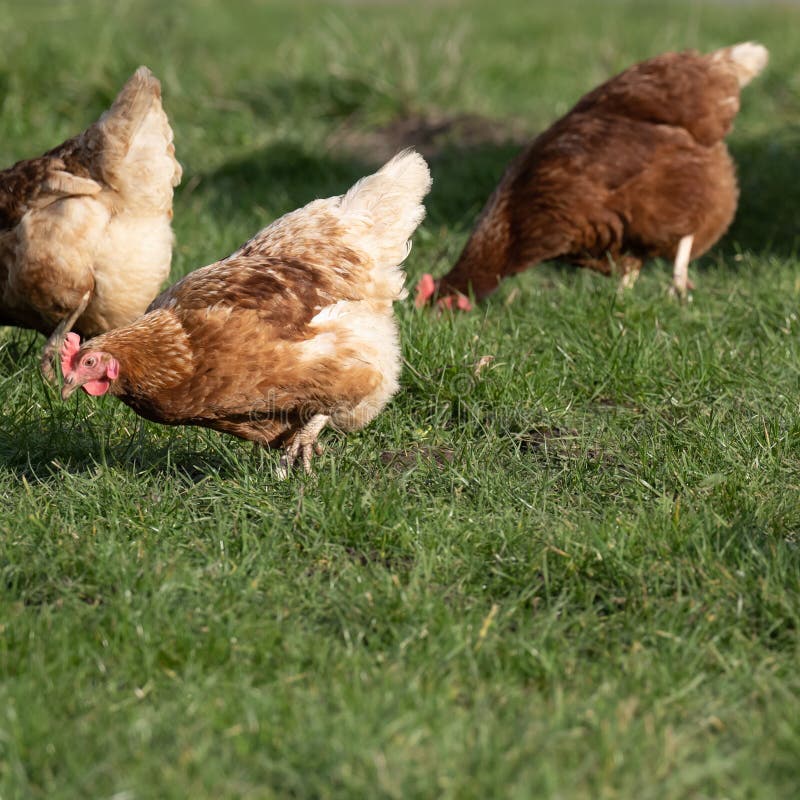
One major concern is the potential for free-range hens to disrupt native plant and animal species. As these chickens roam freely, they may disturb or eat plants that are important food sources for other animals. Additionally, their constant scratching and pecking can cause damage to vegetation and soil structure. This disruption can have a ripple effect throughout the ecosystem, impacting insects, birds, and other wildlife that rely on these resources.
Another consideration is the risk of disease transmission between free-range hens and wild bird populations. Birds are known carriers of various diseases such as avian influenza or Newcastle disease. When free-range hens come into contact with wild birds during their outdoor activities, there is a possibility for disease transmission which could have devastating consequences for both poultry farms and wild bird populations.
Furthermore, increased predator pressure is another ecological consequence associated with free-range egg production. When hens are allowed to roam freely outside their enclosed areas, they become more vulnerable to predation by foxes, raccoons, or even domestic pets in suburban areas. The presence of predators can disrupt local ecosystems by altering predator-prey dynamics and potentially leading to population declines in certain species.
To mitigate these impacts on local ecosystems while still reaping the benefits of free-range egg production systems, several measures can be taken. Proper management practices such as rotational grazing techniques can help minimize damage caused by overgrazing in specific areas while allowing vegetation time to recover fully. The use of fencing or netting structures around chicken coops can also help protect both poultry and native wildlife from predation risks.
In conclusion, while free-range egg production offers numerous advantages such as improved animal welfare standards and potentially more nutritious eggs, it is crucial to consider the potential impact on local ecosystems. By implementing responsible management practices and taking steps to minimize disruption to native plants, animals, and disease transmission risks, we can ensure that free-range egg production remains a sustainable choice for both consumers and the environment.

Leave a Reply