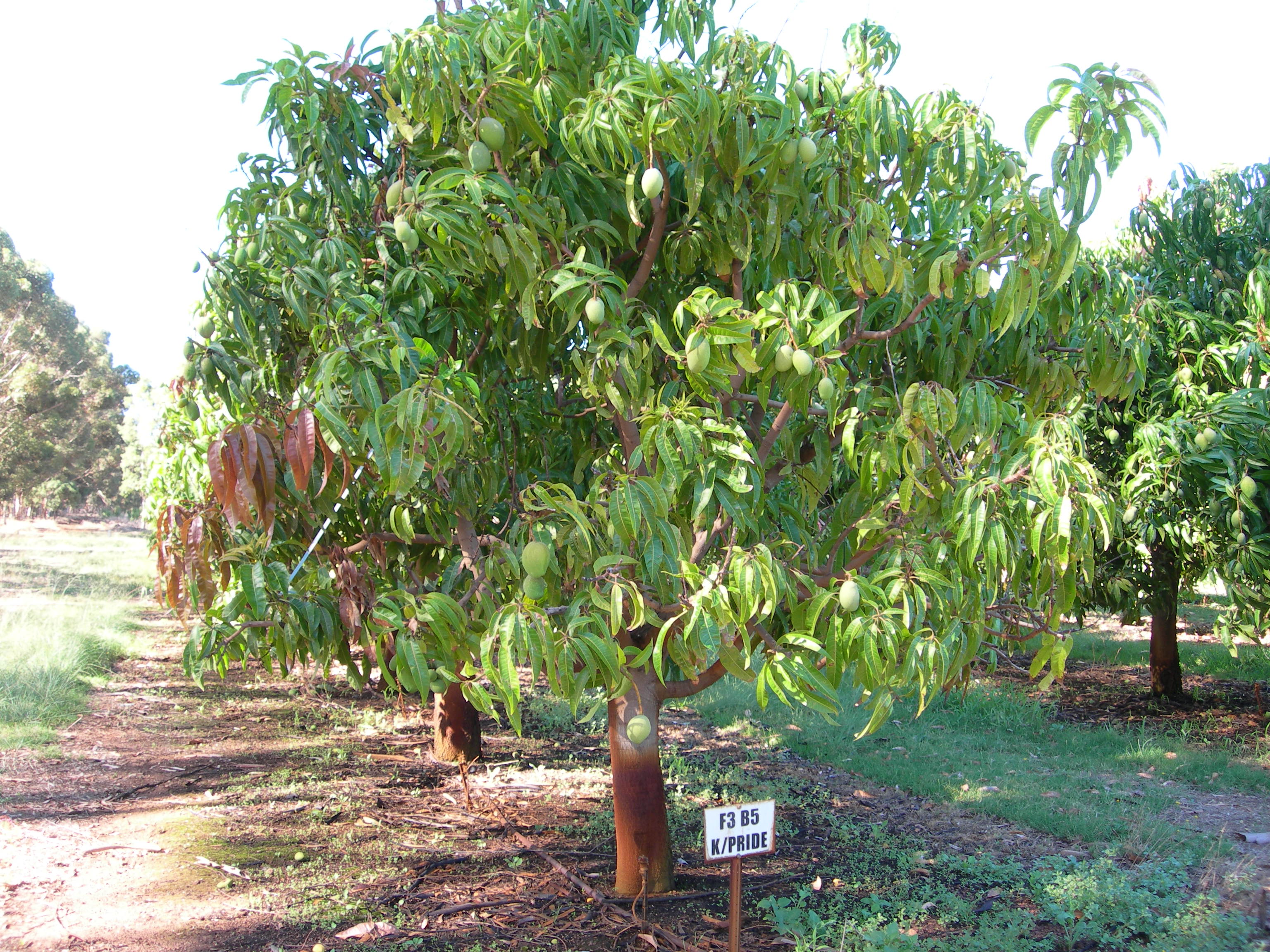
Growing your own mango tree at home can be a rewarding and fun experience. Not only will you have access to fresh and delicious mangoes right from your backyard, but it also allows you to connect with nature and learn about the process of plant growth. While growing a mango tree may seem like a daunting task, with the right knowledge and care, anyone can successfully nurture their own mango tree.
Choosing the Right Mango Variety
The first step in growing your own mango tree is selecting the right variety. There are hundreds of different mango varieties available, each with its unique flavor profile, size, and color. Some popular varieties include Alphonso, Tommy Atkins, Keitt, Kent, and Ataulfo.
Consider your climate when choosing a variety as certain types are better suited for specific regions. For example, if you live in a cooler climate or have limited space indoors for a container-grown tree, opt for dwarf or semi-dwarf varieties that thrive in containers.
Preparing the Soil
Mango trees prefer well-draining soil that is rich in organic matter. Before planting your mango tree sapling or seedling, prepare the soil by incorporating compost or aged manure to improve its fertility. Ensure that the soil pH level falls between 5.5 and 7.5 for optimal growth.
If you plan on growing your mango tree in a container indoors or on a patio/deck area outdoors, use potting mix specifically formulated for fruit trees or create your mixture by combining equal parts of garden soil and compost.
Planting Your Mango Tree
Once you’ve prepared the soil adequately, it’s time to plant your mango sapling or seedling. If starting from seeds obtained from store-bought fruits (which may not grow true to type), clean off any flesh clinging to them before planting.
Dig a hole twice as wide as the root ball of your sapling/seedling while ensuring it is at least as deep as the container it came in. Gently place the tree in the hole, ensuring that the soil level remains at the same height on its trunk as it was before planting. Backfill with soil and lightly tamp it down to remove any air pockets.
If you’re growing a dwarf mango tree in a container, choose a pot that is at least 20 inches deep with sufficient drainage holes. Fill the pot with soil until it’s about one-third full and gently remove your sapling/seedling from its nursery container. Place it in the center of the pot and fill around with more soil, leaving an inch or two of space below the rim for watering purposes.
Caring for Your Mango Tree
Proper care is essential to ensure healthy growth and abundant fruit production. Here are some tips on caring for your mango tree:
1. Watering: Newly planted trees require regular watering until they become established. Provide enough water to keep the soil consistently moist but not waterlogged. Once established, mango trees are relatively drought-tolerant but still benefit from regular irrigation during dry spells.
2. Fertilizing: Mango trees have high nutrient requirements, especially when young or when bearing fruit. Apply balanced organic fertilizer every three months during their active growing season (spring through summer). Follow package instructions for application rates based on tree size.
3. Pruning: Prune your mango tree regularly to maintain shape and encourage optimal growth and fruit production. Remove dead or damaged branches, suckers arising from rootstock, and any overcrowded branches to improve air circulation within the canopy.
4. Mulching: Apply a layer of organic mulch around your mango tree’s base to conserve moisture, suppress weed growth, regulate soil temperature fluctuations, and provide nutrients as it breaks down over time.
5. Pest Control: Monitor your mango tree regularly for common pests like aphids, scale insects, mealybugs, or mites that may infest the leaves, stems, or fruits. Use organic insecticides or horticultural oils as necessary to control pest populations.
6. Disease Prevention: Mango trees are susceptible to various diseases like anthracnose and powdery mildew. To prevent such infections, ensure proper airflow around the tree by pruning it regularly. Remove any fallen leaves or fruit debris from the ground to reduce disease spread.
7. Protecting from Cold Temperatures: If you live in a region with occasional frost or freezing temperatures, protect your mango tree by covering it with blankets or using frost cloth during cold spells.
Harvesting Mangoes
The time it takes for a mango tree to bear fruit varies depending on the variety and growing conditions. Generally, you can expect your tree to start producing fruit within three to five years after planting.
Mangoes typically mature and ripen in late spring through summer months, depending on your location. Harvest ripe mangoes when they develop their characteristic color (specific to each variety), yield slightly to gentle pressure when squeezed gently, and emit a sweet aroma near the stem end.
To harvest them, use clean pruning shears and cut the stem about an inch above where it connects with the fruit.
Conclusion
Growing your own mango tree at home is not only an enjoyable experience but also provides you with fresh tropical fruit right in your backyard. By selecting the right variety, preparing suitable soil conditions, providing proper care throughout its growth cycle, and harvesting at peak ripeness; you’ll be rewarded with delicious mangoes that will make all your efforts worthwhile.

Leave a Reply