Urban Gardening Initiatives Promoting Veganism Locally
In recent years, there has been a growing interest in urban gardening as a means to promote healthier and more sustainable lifestyles. Urban gardens not only provide fresh produce but also serve as valuable educational resources for communities. One exciting trend within the realm of urban gardening is the promotion of veganism. By growing plant-based foods right in our cities, we can encourage people to adopt a vegan lifestyle and contribute to a greener planet.
Urban gardening initiatives promoting veganism are popping up around the world, creating opportunities for individuals and communities to connect with nature, learn about plant-based diets, and reduce their environmental footprint. Let’s explore some of these initiatives and understand how they are making an impact.
1. Community Gardens: Many cities have community garden programs that allow residents to come together and cultivate their own plots of land or share communal spaces. Within these community gardens, there is often an emphasis on growing fruits, vegetables, and herbs that support a vegan diet. Not only do these gardens provide access to fresh produce but they also create a sense of community among participants who can exchange tips on vegan cooking techniques or share recipes.
2. Rooftop Gardens: In densely populated areas where land is scarce, rooftop gardens offer a unique opportunity for urban agriculture. These gardens utilize unused rooftop spaces in buildings such as schools or office complexes to grow various crops including leafy greens, tomatoes, peppers, and herbs. The produce grown in these rooftop farms can be used by nearby restaurants or sold at local markets specifically catering to vegans.
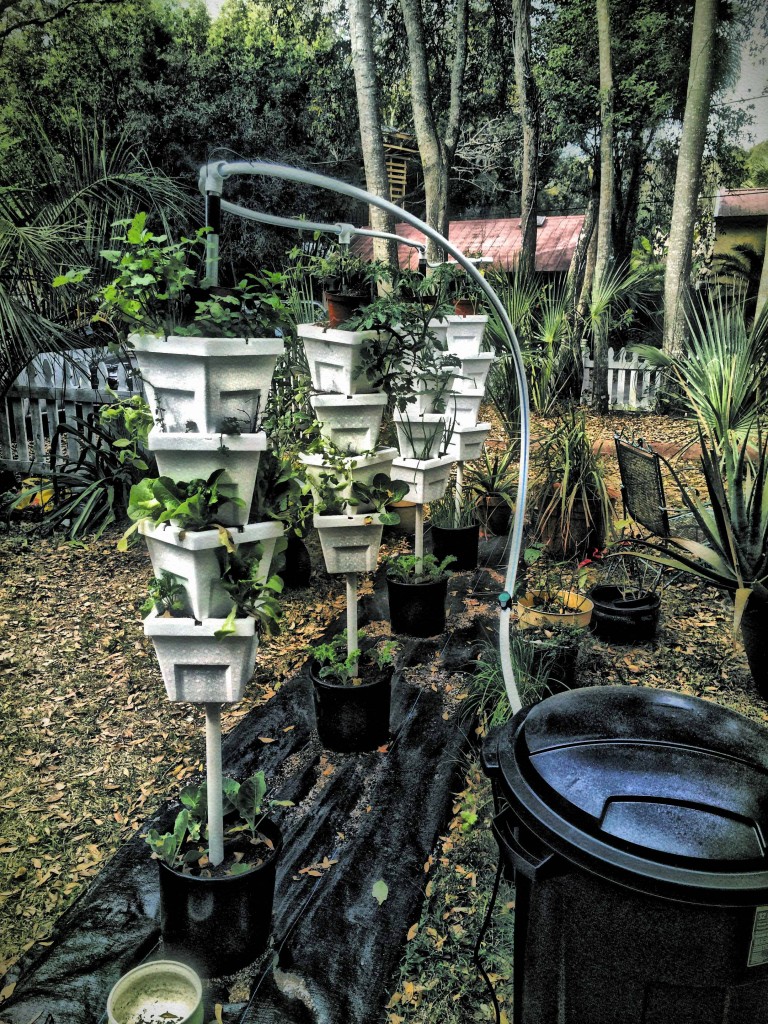
3. Vertical Farming: With advancements in technology comes vertical farming – an innovative approach that allows plants to be cultivated indoors using stacked layers vertically rather than horizontally across large expanses of land. This method makes it possible to grow substantial amounts of food within limited space while reducing water usage significantly compared to traditional farming methods. Urban vertical farms can focus on producing ingredients commonly used in vegan recipes, such as leafy greens, mushrooms, and microgreens.
4. Edible Landscaping: Urban gardening initiatives are not limited to designated spaces like community gardens or rooftops. Many cities are incorporating edible landscaping techniques into public areas such as parks, sidewalks, and medians. By planting fruit trees, berry bushes, and edible herbs in these spaces, cities provide residents with easy access to fresh produce. This approach has the potential to inspire individuals to adopt a plant-based diet by making nutritious food readily available and visible within their own neighborhoods.
5. School Gardens: Educational institutions play a crucial role in shaping young minds and instilling healthy habits. School gardens promote hands-on learning about food production while emphasizing the importance of sustainable practices and plant-based diets. These gardens teach students how to grow fruits and vegetables organically while also providing an opportunity for them to experiment with vegan cooking using the harvest they cultivate themselves.
6. Mobile Farms: Some urban gardening initiatives have taken a mobile approach by converting vehicles like buses or trailers into portable farms that can travel around the city or visit schools and community centers. These mobile farms bring education about veganism directly to people’s doorsteps through workshops on growing plants sustainably in small spaces or cooking classes focused on plant-based meals.
7. Seed Banks: Alongside physical gardening efforts, seed banks have emerged as essential components of urban gardening initiatives promoting veganism locally. Seed banks collect seeds from various plants suitable for urban agriculture, including heirloom varieties that may have been forgotten over time but possess unique flavors or nutritional profiles perfect for vegan dishes. By preserving these seeds and distributing them among gardeners within communities, seed banks contribute towards maintaining biodiversity while fostering a love for sustainable food systems.
Urban gardening initiatives promoting veganism offer numerous benefits beyond just encouraging healthier eating habits:
1) Environmental Impact: Growing plant-based foods locally reduces reliance on industrial agriculture systems associated with large-scale deforestation, water pollution, and greenhouse gas emissions. By producing food close to where it is consumed, urban gardens help mitigate the carbon footprint associated with long-distance transportation.
2) Food Security: Urban gardening initiatives increase access to fresh and nutritious produce in areas that may lack grocery stores or have limited options for healthy food. This promotes food security by empowering individuals and communities to grow their own sustenance.
3) Health and Well-being: Veganism has been linked to numerous health benefits such as reduced risk of chronic diseases like heart disease, diabetes, and certain types of cancer. By promoting plant-based diets through urban gardening initiatives, individuals can improve their overall well-being while also connecting with nature.
In conclusion, urban gardening initiatives promoting veganism locally are transforming cities into greener spaces that prioritize sustainability, community engagement, and healthier eating habits. Through community gardens, rooftop farms, vertical farming techniques, edible landscaping projects, school gardens, mobile farms, seed banks – we are witnessing a shift towards more conscious living that benefits both humans and the planet we call home. So let’s embrace these opportunities to connect with our food sources and explore the delicious possibilities of plant-based diets right in our own neighborhoods!

Leave a Reply