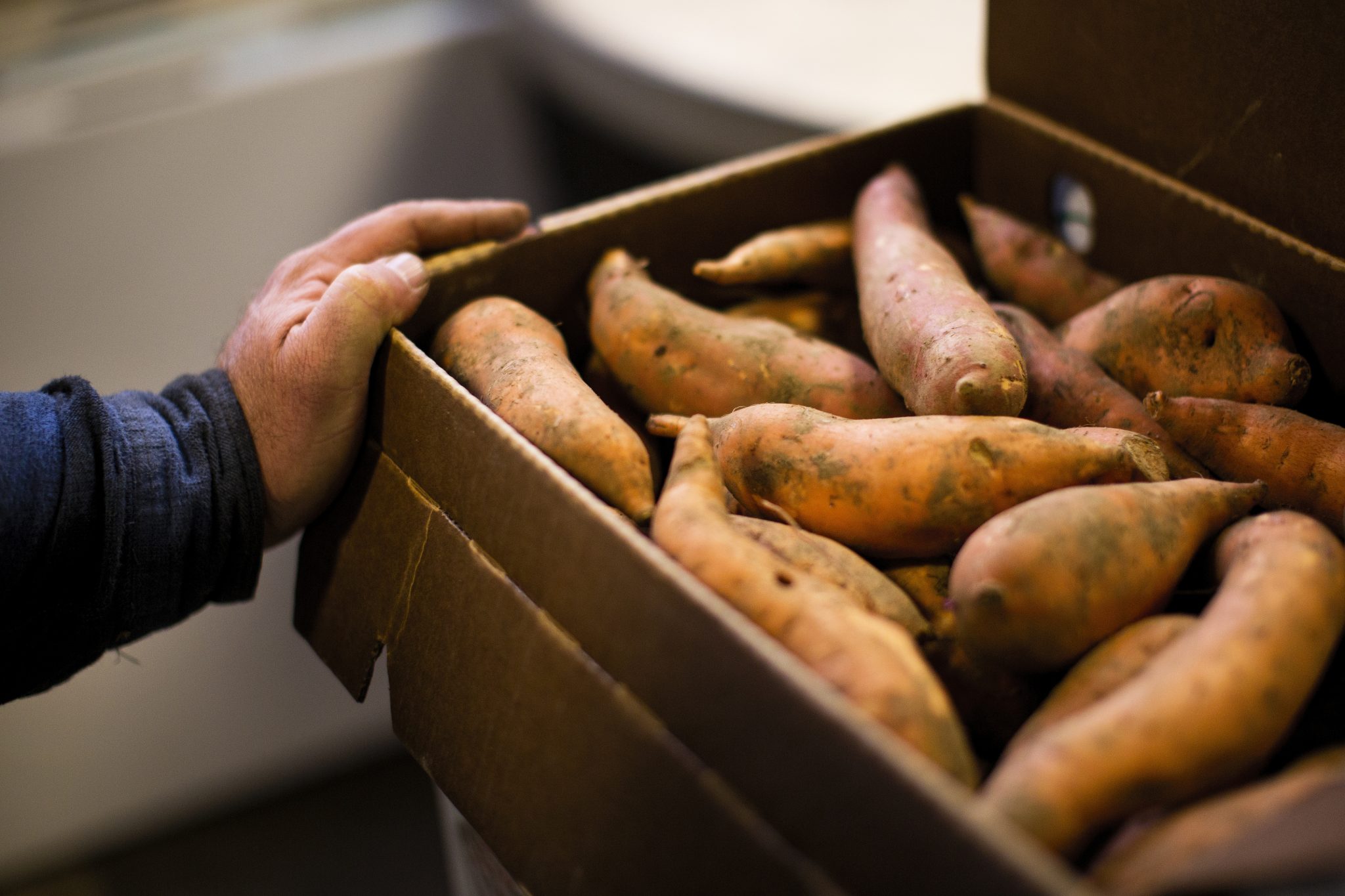
Storing and preserving sweet potatoes is essential for maintaining their freshness and nutritional value. These vibrant root vegetables are not only delicious but also packed with vitamins, minerals, and dietary fiber. Whether you have an abundance of sweet potatoes from your garden or want to stock up during the harvest season, proper storage techniques can help extend their shelf life and prevent spoilage. In this article, we will explore various methods for storing and preserving sweet potatoes to ensure they remain tasty and nutritious for longer.
1. Harvesting Sweet Potatoes: Before discussing storage methods, let’s touch upon harvesting sweet potatoes at the right time. They should be dug up after the vines die back completely, typically around 100-120 days after planting. Gently lift them out of the ground using a fork or spade to avoid damaging the tubers.
2. Curing Sweet Potatoes: After harvesting, it’s important to cure sweet potatoes before storing them long-term. Curing allows for healing any wounds on the skin caused during harvesting while enhancing flavor development. Place freshly harvested tubers in a warm (80-85°F) and humid environment with good ventilation for about 7-10 days.
3. Choosing Quality Tubers: Selecting high-quality sweet potatoes for storage is crucial as damaged or diseased ones may rot quickly, affecting nearby healthy tubers as well. Inspect each potato carefully before storing and discard any that show signs of decay or damage.
4. Ideal Storage Conditions: Sweet potatoes prefer cool (55-60°F), dark, dry places without exposure to direct sunlight or moisture which can lead to sprouting or rotting respectively. A basement or cellar are excellent choices if available; otherwise, a cool pantry will suffice.
5. Ventilation Matters: Ensure adequate air circulation around stored sweet potatoes by placing them in baskets or crates rather than plastic bags that trap moisture – promoting spoilage conditions instead of preservation.
6. Separating and Layering: Avoid storing sweet potatoes in one large pile, as this can lead to increased bruising and spoilage. Instead, separate them into smaller batches or layers using newspaper or straw as a cushion between each layer.
7. Regular Inspection: Regularly check stored sweet potatoes for any signs of rot, decay, or sprouting. Remove any that are affected immediately to prevent the spread of spoilage to others nearby.
8. Refrigeration Concerns: While it’s generally not recommended to refrigerate raw sweet potatoes due to their low tolerance for cold temperatures, cooked or leftover sweet potatoes can be stored in the refrigerator for up to 4 days in an airtight container.
9. Freezing Sweet Potatoes: Freezing is an excellent method for long-term preservation without compromising taste and texture too much. To freeze raw sweet potatoes, first peel and cut them into small cubes or slices before blanching quickly in boiling water for 2-3 minutes. Then plunge them into ice water to cool rapidly before draining and placing in freezer-safe bags or containers.
10. Canning Sweet Potatoes: Another popular preservation method is canning sweet potatoes. This involves pressure canning peeled and cubed sweet potato chunks with water or syrup following specific instructions provided by reliable sources such as the National Center for Home Food Preservation.
11. Dehydrating Sweet Potatoes: Drying sweet potatoes removes moisture content effectively prolonging shelf life while preserving many nutrients intact. Thinly slice peeled raw tubers using a mandoline slicer or sharp knife before dehydrating at 125-135°F until they become crispy dry (around 8-12 hours). Store dried slices in airtight containers away from light and moisture.
12. Reviving Stored Sweet Potatoes: If you notice your stored sweet potatoes becoming slightly shriveled over time but still firm enough, you can revive them by soaking them briefly (15-30 minutes) in water before cooking. This rehydrates the tubers and restores some of their plumpness.
By following these storage and preservation techniques, you can enjoy sweet potatoes throughout the year without worrying about spoilage or nutrient loss. Remember to always inspect your stored sweet potatoes regularly and discard any that show signs of damage or decay to maintain a fresh supply of this versatile vegetable.

Leave a Reply