Southeast Asia is a vibrant and diverse region known for its rich cultural heritage, stunning landscapes, and of course, its delicious cuisine. From spicy curries to fresh tropical fruits, the food in Southeast Asia is as diverse as the countries themselves. If you’re looking to explore healthy eating options while immersing yourself in the flavors of this incredible region, here are some tips and dishes that you must try.
1. Embrace Fresh Fruits
One of the highlights of Southeast Asian cuisine is its abundance of fresh fruits. With its tropical climate, the region offers an array of exotic fruits such as mangoes, papayas, pineapples, dragon fruit, and durian. These fruits are not only delicious but also packed with essential vitamins and minerals. Whether enjoyed on their own or incorporated into salads or smoothies, incorporating fresh fruits into your diet will give you a nutritious boost.
2. Indulge in Rice and Noodles
Rice and noodles form the staple foods in many Southeast Asian countries like Thailand, Vietnam, Indonesia, and Malaysia. Opt for whole grain varieties like brown rice or whole wheat noodles whenever possible for added fiber content. Traditional dishes like Vietnamese pho (noodle soup) or Thai pineapple fried rice can be made healthier by using lean proteins such as chicken breast or tofu along with plenty of vegetables.
3. Savor Vibrant Stir-Fries
Stir-frying is a popular cooking technique in Southeast Asia that allows for quick cooking while preserving nutrients and flavors. Choose colorful vegetables like bell peppers, broccoli florets, carrots, snap peas to create a visually appealing dish packed with vitamins and antioxidants. Pair it with lean proteins such as shrimp or chicken breast cooked with minimal oil for a healthy yet tasty meal.
4. Explore Seafood Delights
Being surrounded by water gives Southeast Asia access to an abundance of seafood options including fish like salmon and mackerel which are rich sources of omega-3 fatty acids. Grilled or steamed fish seasoned with herbs and spices is a nutritious choice that showcases the flavors of the region. Seafood like shrimp, squid, and scallops are also popular choices in dishes such as Thai green curry or Vietnamese spring rolls.
5. Experiment with Tofu and Tempeh
For those looking for plant-based options, Southeast Asian cuisine offers delicious alternatives using tofu and tempeh. These soy-based products are versatile and can be marinated, stir-fried, grilled, or added to curries for a protein-packed meal without the meat. Try Indonesian tempeh stir-fry or Thai basil tofu to experience the depth of flavors these ingredients can bring to your plate.
6. Spice it Up
Spices play an integral role in Southeast Asian cooking, not only adding flavor but also offering numerous health benefits. Turmeric, ginger, lemongrass, garlic, shallots, and chili peppers are commonly used in many dishes throughout the region. Turmeric contains curcumin which has powerful anti-inflammatory properties while ginger aids digestion and boosts immunity. Adding these spices to your meals will not only enhance their taste but also provide you with added health benefits.
7. Don’t Forget About Soups
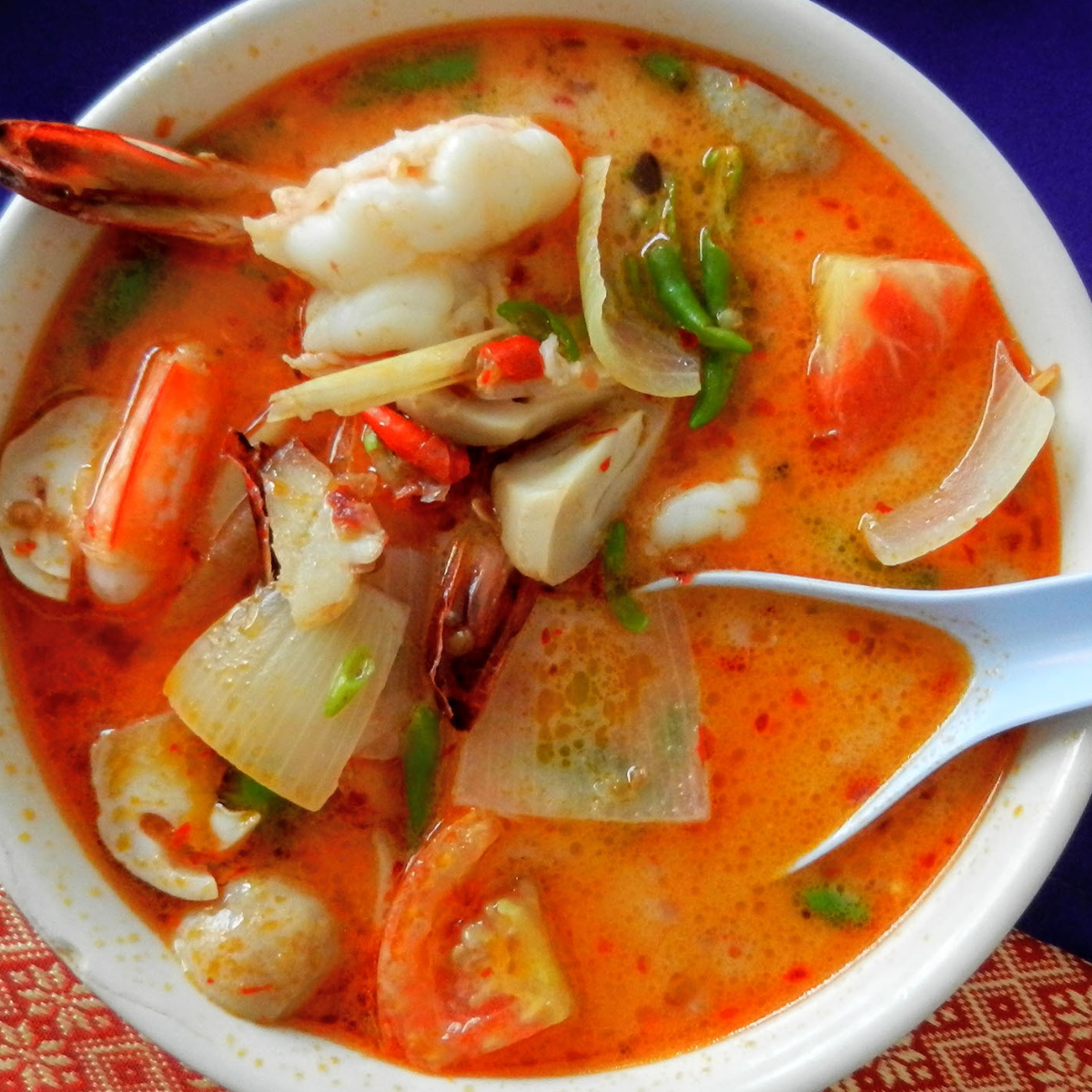
Southeast Asia is famous for its flavorful soups that combine aromatic herbs with fresh ingredients like vegetables and meats or seafood. Tom Yum from Thailand is a spicy soup made with lemongrass, lime leaves, chilies along with either shrimp or chicken that packs a punch while providing essential nutrients from its diverse ingredients.
8. Opt for Fresh Herb Dressings
Traditional herb dressings like Vietnamese nuoc cham or Thai nam jim are light yet packed full of flavor making them perfect accompaniments to salads or dipping sauces for grilled meats or spring rolls. Made with herbs like cilantro (coriander), mint leaves along with lime juice and fish sauce (or soy sauce for vegetarian options), these dressings add a zing to your meals while keeping them healthy.
9. Finish with Tropical Desserts
Indulge your sweet tooth with Southeast Asia’s array of tropical desserts that are not only delicious but also often made with natural ingredients. Coconut plays a prominent role in many desserts like Thai coconut sticky rice or Filipino halo-halo, a mix of shaved ice, fruits, and beans topped with coconut milk. These desserts offer a taste of the region’s love for all things sweet while incorporating the goodness of tropical flavors.
In conclusion, exploring healthy eating options in Southeast Asia is an exciting journey filled with vibrant flavors and nutritious choices. By embracing fresh fruits, whole grains, lean proteins, vegetables, and spices commonly found in this region’s cuisine, you can create wholesome meals that will nourish your body and delight your taste buds at the same time. So go ahead and embark on this culinary adventure to experience the best of Southeast Asian cuisine while maintaining a healthy lifestyle.

Leave a Reply