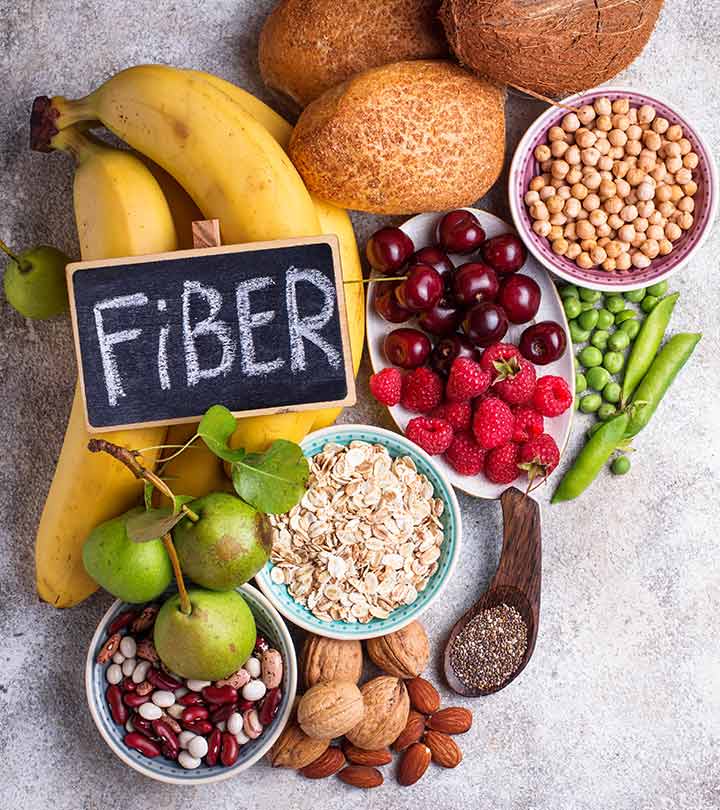
When it comes to maintaining a healthy diet, fiber plays a crucial role in supporting digestion and overall well-being. However, the misconception that eating high-fiber foods can be expensive often discourages individuals from incorporating an adequate amount of fiber into their diets. In reality, there are plenty of budget-friendly options available for those looking to increase their fiber intake without breaking the bank.
One of the most cost-effective ways to add more fiber to your diet is by opting for whole grains. Brown rice, quinoa, oats, and whole wheat pasta are all excellent sources of fiber and can be purchased in bulk for added savings. These versatile ingredients can be used in a variety of dishes, from hearty salads to comforting soups and stews.
Legumes are another affordable option for boosting your fiber intake. Beans such as black beans, chickpeas, and lentils are not only rich in fiber but also provide a good source of protein. Canned or dried beans are both budget-friendly choices that can be incorporated into meals like chili, burritos, and salads.
Fruits and vegetables should also be staples in a high-fiber diet. While fresh produce might seem pricey at first glance, choosing seasonal fruits and vegetables can help you save money while still reaping the benefits of their fiber content. Apples, pears, berries, broccoli, carrots, and sweet potatoes are just a few examples of budget-friendly options that pack a nutritional punch.
For those on a tight budget, frozen fruits and vegetables can be just as nutritious as fresh ones and often come at a lower cost. Stocking up on frozen spinach or mixed berries allows you to have high-fiber options on hand without worrying about spoilage.
When shopping for packaged foods like breads or cereals, make sure to check the nutrition labels for the fiber content per serving. Opting for whole grain breads or cereals with at least 3-5 grams of fiber per serving ensures that you’re getting the most bang for your buck when it comes to increasing your daily fiber intake.
In addition to making smart choices at the grocery store, meal planning can also help you stay within your budget while prioritizing high-fiber foods. Setting aside time each week to plan out your meals not only helps reduce food waste but also allows you to make strategic choices about which ingredients to buy in bulk versus smaller quantities.
Lastly, don’t forget about water! Increasing your fiber intake without drinking enough water can lead to digestive issues such as constipation. Staying hydrated is key to supporting proper digestion and ensuring that your body effectively processes the additional fiber you’re consuming.
In conclusion…

Leave a Reply