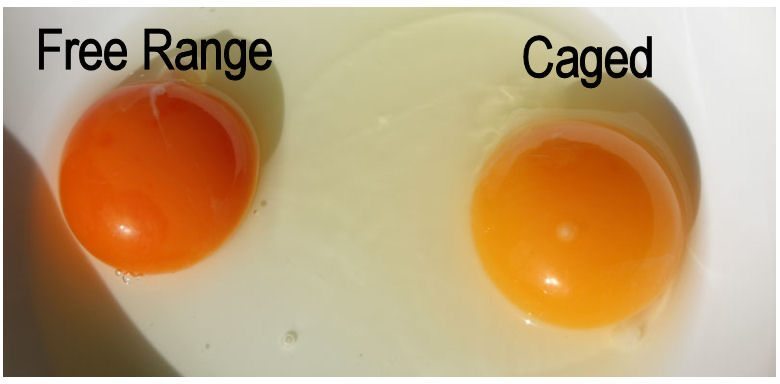
When it comes to choosing eggs, free-range options have gained popularity due to their numerous benefits. Free-range eggs come from hens that are allowed to roam outdoors and engage in natural behaviors, unlike conventional caged chickens. Here are some key points to consider when looking at the benefits of free-range eggs:
Nutritional Value: Free-range eggs tend to have higher levels of omega-3 fatty acids and vitamins A, E, and D compared to conventional eggs. They also contain more protein and less cholesterol.
Choosing the Best: Look for certifications like Certified Humane or Animal Welfare Approved when selecting free-range eggs. These labels ensure that the hens are raised in humane conditions with access to outdoor space.
Labeling & Certifications: The term “free-range” is regulated by the USDA but can vary in its interpretation. It’s important to look for additional certifications beyond just “free-range” for a better understanding of how the hens were raised.
Free-Range vs Conventional Eggs: Free-range eggs often have a richer flavor and deeper color due to the varied diet of pasture-raised hens. They also tend to have thicker egg whites and creamier yolks.
Recipes: Free-range eggs can be used in various recipes such as omelets, quiches, and baked goods like cakes and cookies for added richness and flavor.
Health Benefits: Consuming free-range eggs can contribute to better heart health, improved brain function, and overall well-being due to their higher nutrient content.
Sustainability: Free-range farming practices promote animal welfare and sustainable agriculture by allowing hens access to natural grazing areas which reduces environmental impact.
Incorporating Into Diet: Vegetarians can benefit from including free-range eggs in their diet as a good source of protein, vitamins, minerals, and healthy fats.
Storage Guidelines & Safety Tips: Store free-range eggs in the refrigerator at or below 40°F (4°C) and always check for freshness before consuming by performing a float test or using an egg candling technique.
Cooking Techniques: When cooking with free range eggs, try methods like poaching or soft-boiling where you can truly appreciate the quality of these nutrient-rich products.
Local Sources & Recycling Tips:
Support local farmers markets or organic stores that offer free range options while recycling egg cartons responsibly after use.
The Impact of Omega-3:
Free range chickens’ diets contribute significantly more omega-3 fatty acids found beneficial for heart health compared with conventional sources.
By considering all these aspects when choosing free range over conventional options will not only enhance your culinary experience but also support ethical farming practices while reaping nutritional rewards.

Leave a Reply