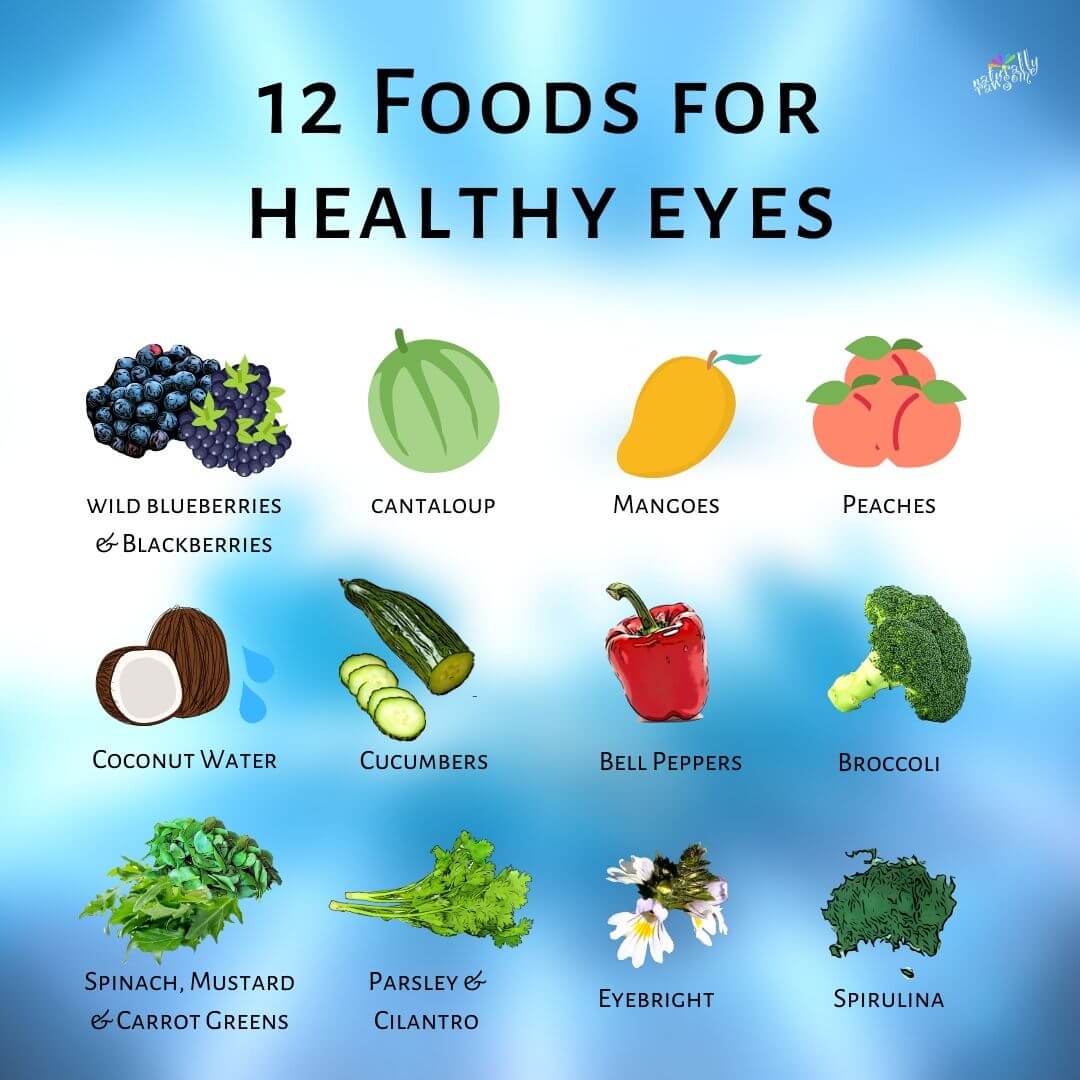
Our eyes are extraordinary organs that play a crucial role in our everyday lives. From helping us navigate the world around us to expressing emotions and connecting with others, our vision is an essential sense that we often take for granted. Just like any other part of our body, it’s important to prioritize eye health to ensure optimal functioning and prevent potential issues down the road.
One of the key aspects of maintaining good eye health is through proper nutrition. The foods we consume can have a significant impact on the health of our eyes and overall vision. Incorporating a variety of nutrient-dense foods into your diet can help support healthy eyesight and reduce the risk of age-related eye diseases.
Antioxidants such as vitamin C, vitamin E, beta-carotene, and zinc play a vital role in protecting our eyes from oxidative stress caused by free radicals. Foods rich in these antioxidants include citrus fruits, berries, nuts, seeds, leafy green vegetables, carrots, sweet potatoes, and seafood.
Omega-3 fatty acids are another essential nutrient for eye health as they help maintain proper retinal function and protect against dry eyes and macular degeneration. Sources of omega-3s include fatty fish like salmon, mackerel, sardines, flaxseeds, chia seeds, walnuts, and soybeans.
Lutein and zeaxanthin are carotenoids that are particularly beneficial for eye health as they accumulate in the retina and act as natural sunblock agents that filter harmful blue light. These nutrients can be found in spinach, kale, collard greens, broccoli, corn, peas,
Maintaining stable blood sugar levels is also crucial for preserving vision as fluctuations in blood sugar can damage blood vessels in the retina leading to diabetic retinopathy or other complications. To stabilize blood sugar levels incorporate whole grains like quinoa or brown rice into your meals along with legumes such as lentils or chickpeas.
Hydration is key not only for overall well-being but also for keeping your eyes moist and lubricated. Make sure to drink an adequate amount of water throughout the day to prevent dry eyes which can cause discomfort or blurry vision.
In addition to nutrition habits promoting good eye health there are lifestyle factors that should be considered too:
Regular Eye Exams: Routine eye exams are essential for early detection of any potential issues such as cataracts or glaucoma so make sure you schedule regular check-ups with your optometrist.
Protective Eyewear: Whether you’re outdoors under the sun or engaging in activities that could pose risks to your eyes (like sports or DIY projects), always wear appropriate protective eyewear such as sunglasses or safety goggles.
Reduce Screen Time: Staring at screens for prolonged periods can strain your eyes causing symptoms like dryness or fatigue known as computer vision syndrome (CVS). To alleviate this issue practice the 20-20-20 rule; every 20 minutes look at something 20 feet away for at least 20 seconds.
Quit Smoking: Smoking has been linked to an increased risk of developing age-related macular degeneration (AMD) among other eye conditions so if you smoke consider quitting.
Adequate Sleep: Getting enough quality sleep each night not only benefits overall health but also helps reduce eye strain allowing them time to rest properly.
Physical Activity: Regular exercise improves circulation which supports optimal ocular function so aim for at least 30 minutes daily physical activity whether it’s walking jogging cycling swimming dancing etc.
By adopting healthy eating habits incorporating nutrient-rich foods prioritizing regular eye exams wearing protective eyewear minimizing screen time quitting smoking getting enough sleep staying physically active maintaining good hydration levels you can significantly improve protect preserve your precious sight long-term safeguarding against potential issues later life ensuring clear vibrant vision years come

Leave a Reply