Supplements have been used for centuries to support health and well-being. From traditional herbal remedies to modern-day vitamins and minerals, supplements play a valuable role in helping individuals achieve optimal nutrition and address specific health concerns.
Historically, humans have turned to various plants and herbs as natural remedies for various ailments. Traditional healers around the world have long recognized the healing properties of plants such as ginseng, turmeric, and garlic. These herbal supplements were believed to boost immunity, improve energy levels, aid digestion, and promote overall wellness.
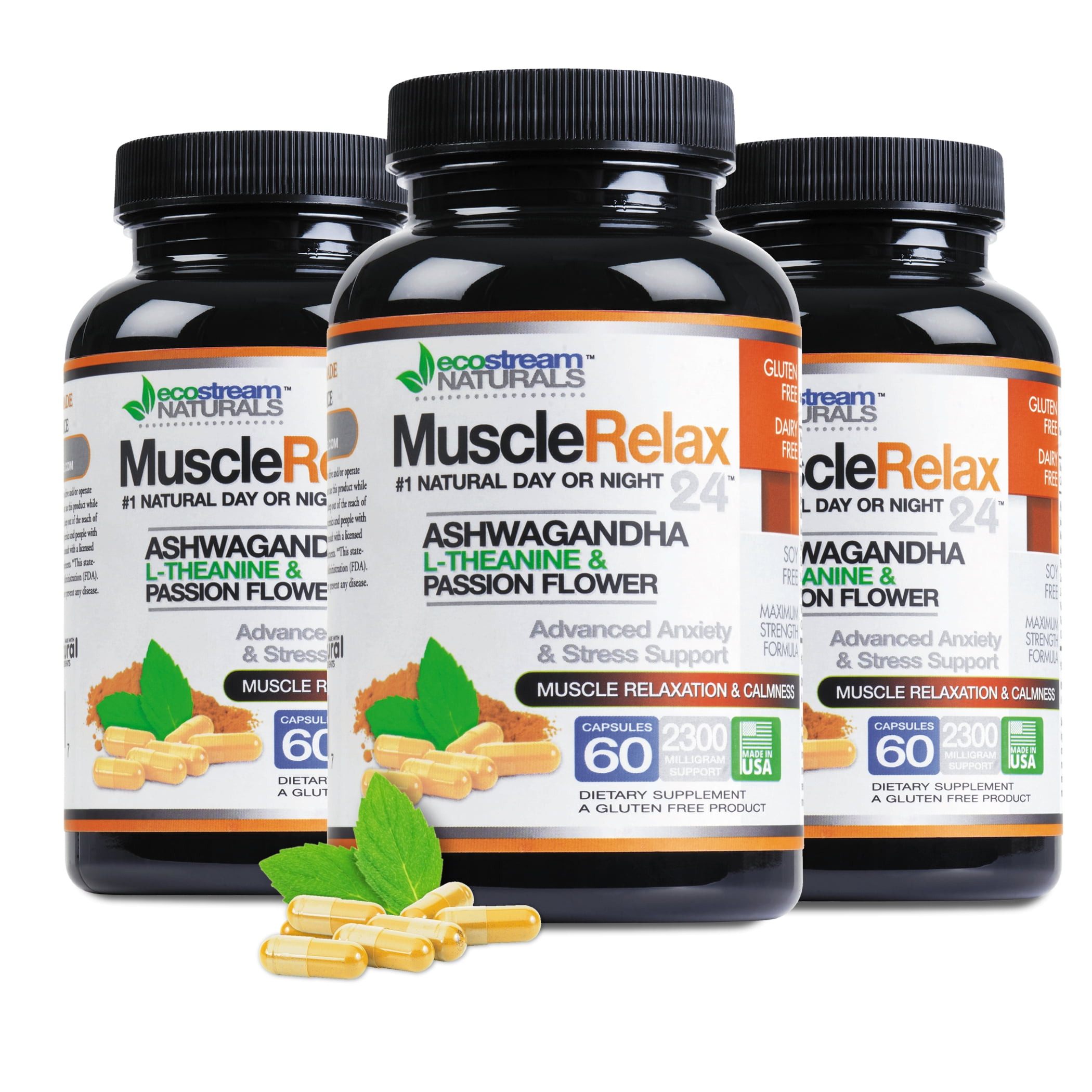
In ancient civilizations like China and India, herbal medicine was an integral part of healthcare practices. Traditional Chinese Medicine (TCM) utilized a variety of herbs in combination with other modalities such as acupuncture to restore balance in the body. Ayurveda, the ancient Indian system of medicine, also relied heavily on herbal supplements made from ingredients like ashwagandha, holy basil (tulsi), and triphala to address different health issues.
As time progressed and scientific knowledge expanded, researchers began isolating specific compounds from these traditional herbs to create concentrated forms of supplements. For example, curcumin is a compound found in turmeric that has potent anti-inflammatory properties. By extracting curcumin from turmeric root and creating a standardized supplement form, individuals can now benefit from its therapeutic effects more efficiently.
The discovery of essential vitamins and minerals further revolutionized the field of supplementation. In the early 20th century, scientists identified key nutrients necessary for maintaining good health such as vitamin C for immune function or calcium for bone strength. As our understanding of nutrition deepened, dietary supplements containing these essential nutrients became widely available to help bridge nutritional gaps in people’s diets.
Today’s supplement market offers a vast array of products tailored to meet diverse needs. Multivitamins are popular choices for individuals looking to cover their bases by ensuring they get an adequate intake of essential vitamins and minerals daily. Fish oil supplements rich in omega-3 fatty acids are commonly taken to support heart health and cognitive function.
Probiotics have gained significant attention in recent years for their ability to promote gut health by restoring beneficial bacteria in the digestive system. Prebiotics are another type of supplement that feeds these friendly gut microbes while supporting overall digestive wellness.
Athletes often turn to sports supplements like protein powders or branched-chain amino acids (BCAAs) to enhance performance, build muscle mass, or aid recovery after intense workouts.
It is important for consumers considering supplementation to do thorough research before incorporating new products into their routine. Consulting with healthcare professionals or registered dietitians can provide personalized guidance based on individual needs and existing health conditions.
In conclusion,
supplements have come a long way since ancient times when herbal remedies were primarily used.
Today’s advancements in science allow us access
to a wide range
of high-quality dietary supplements that cater
to diverse
health goals
and requirements.
When used responsibly
and alongside
a balanced diet,
supplements can be valuable tools
in promoting overall well-being
and filling any nutritional gaps.
Always remember though,
that they should not replace whole foods but rather complement them
for optimal health benefits.

Leave a Reply