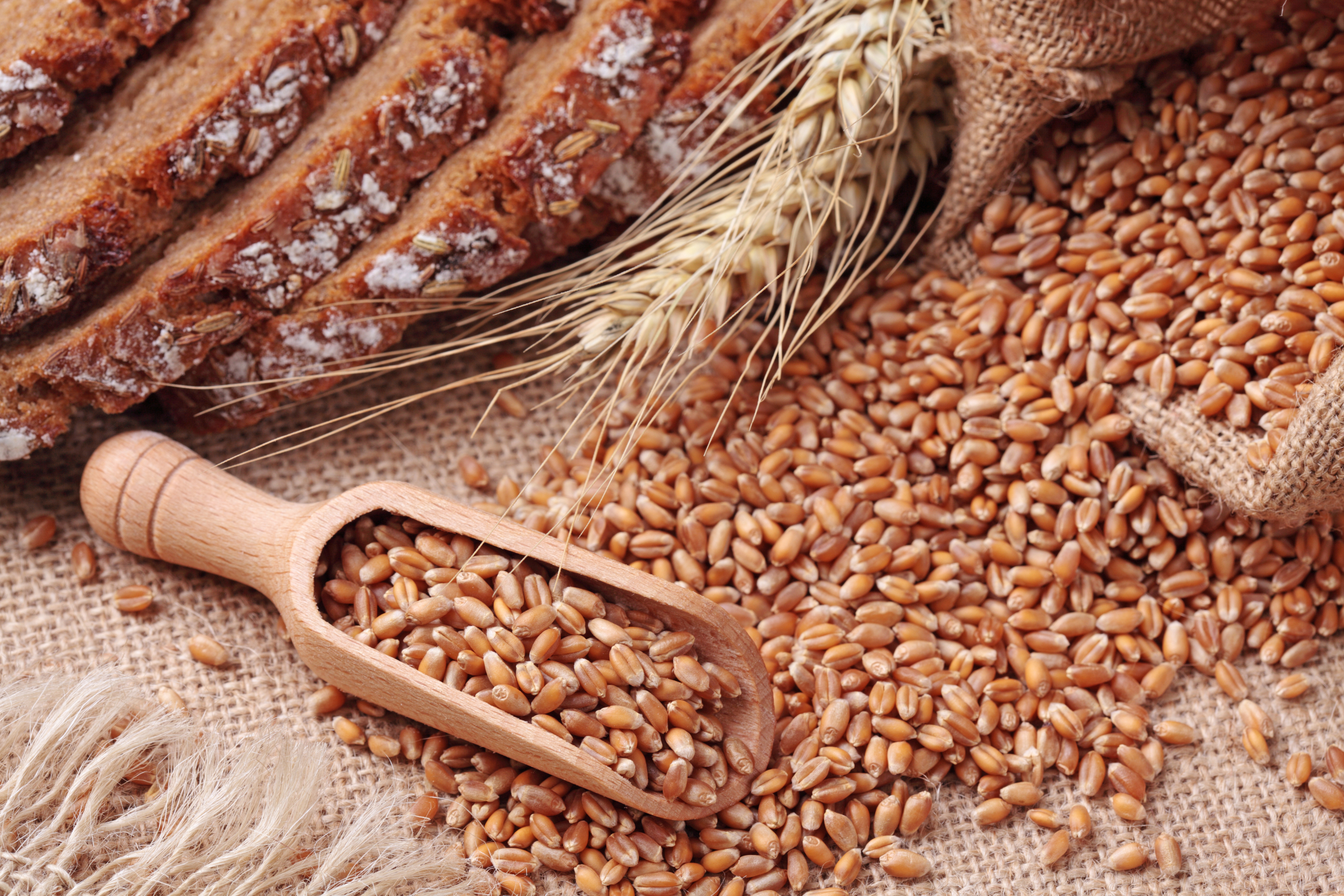
Whole grains are an essential part of a healthy diet, providing fiber, vitamins, minerals, and other important nutrients. However, many people mistakenly believe that whole grains are expensive or inaccessible. In reality, there are plenty of affordable options available that can easily be incorporated into your daily meals.
One of the most budget-friendly whole grain options is brown rice. Brown rice is a versatile ingredient that can be used in a wide variety of dishes, from stir-fries to casseroles. It is higher in fiber and nutrients compared to white rice, making it a healthier choice for your diet. Buying brown rice in bulk can help save money in the long run and ensure you always have this staple on hand.
Oats are another inexpensive whole grain option that offers numerous health benefits. Whether you prefer rolled oats or steel-cut oats, both varieties are packed with fiber and protein to keep you feeling full and satisfied throughout the day. Oats can be enjoyed as oatmeal for breakfast or used in baking recipes like muffins and cookies for added nutrition.
Quinoa has gained popularity in recent years due to its high protein content and versatility in cooking. While quinoa may be slightly more expensive than other grains, it is still an affordable option when purchased in bulk. Quinoa can be used as a base for salads, soups, or as a side dish alongside roasted vegetables for a nutritious meal.
Barley is often overlooked but deserves more attention for its nutritional value and affordability. This hearty grain contains soluble fiber which helps promote gut health and regulate blood sugar levels. Barley can be cooked similarly to rice and used in pilafs, soups, stews, or even as a substitute for risotto.
Buckwheat is not actually related to wheat despite its name but is considered a pseudo-cereal rich in nutrients like magnesium and B vitamins. Buckwheat flour can be used to make pancakes or baked goods while buckwheat groats can be cooked similar to rice or added to salads for extra crunch.
Cornmeal is another economical whole grain option that adds texture and flavor to dishes like cornbread or polenta. Cornmeal is naturally gluten-free making it suitable for those with gluten sensitivities while still providing essential nutrients like fiber and antioxidants.
Millet may not be as commonly found as other grains but should not be overlooked due to its affordability and versatility. Millet has a mild flavor making it easy to incorporate into dishes like porridge or pilafs alongside vegetables and proteins for a balanced meal.
Lastly, bulgur wheat is an excellent whole grain option that cooks quickly making it perfect for busy weeknights when you need a healthy side dish fast! Bulgur wheat works well in salads like tabbouleh or mixed with herbs and spices as a flavorful stuffing for vegetables such as bell peppers or squash.
In conclusion, incorporating whole grains into your diet doesn’t have to break the bank! With so many affordable options available such as brown rice, oats,
quinoa,
barley,
buckwheat,
cornmeal,
millet,
and bulgur wheat – there’s no excuse not
to prioritize your health by including these nutrient-rich foods into your meals regularly.”

Leave a Reply